When to Service Your Brakes: Signs, Intervals and What to Watch For
A brake that starts to squeak in traffic might seem like just a nuisance. But for anyone who uses their car to transport family, make deliveries, or work every day, that noise could be the first warning of maintenance you can't put off. Knowing when to service your brakes cuts risk, prevents costlier damage, and helps keep your vehicle ready when you need it.
Your brake system doesn't always give the same warning signs. In some vehicles, the pad wears gradually and the pedal feels normal for quite some time. In others, even a small change in pedal travel, a vibration, or the car pulling to one side already signals something needs checking. That's why the best approach combines interval, mileage, how you actually use the car, and any signals you notice while driving.
When to service your brakes: interval is not the only factor
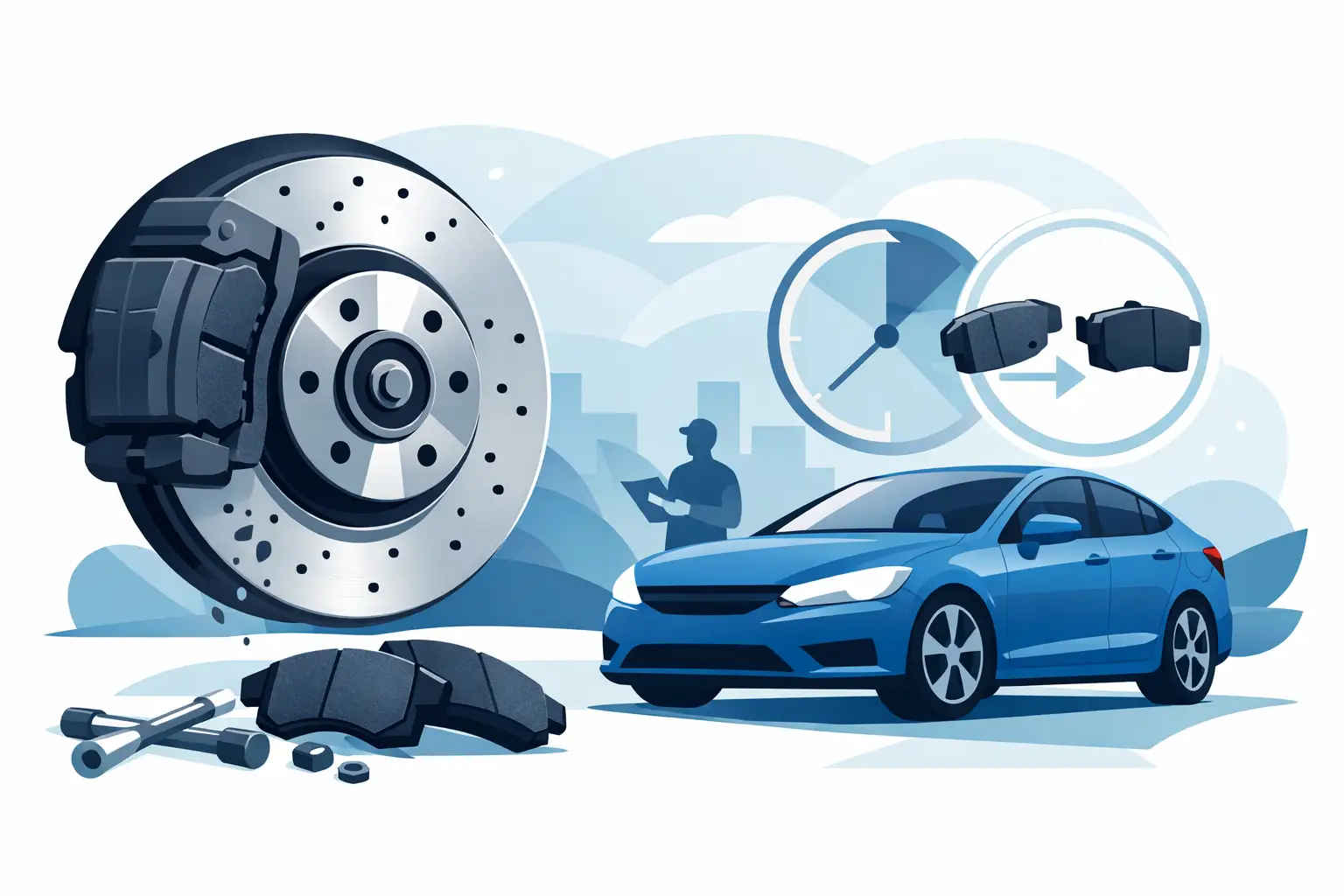
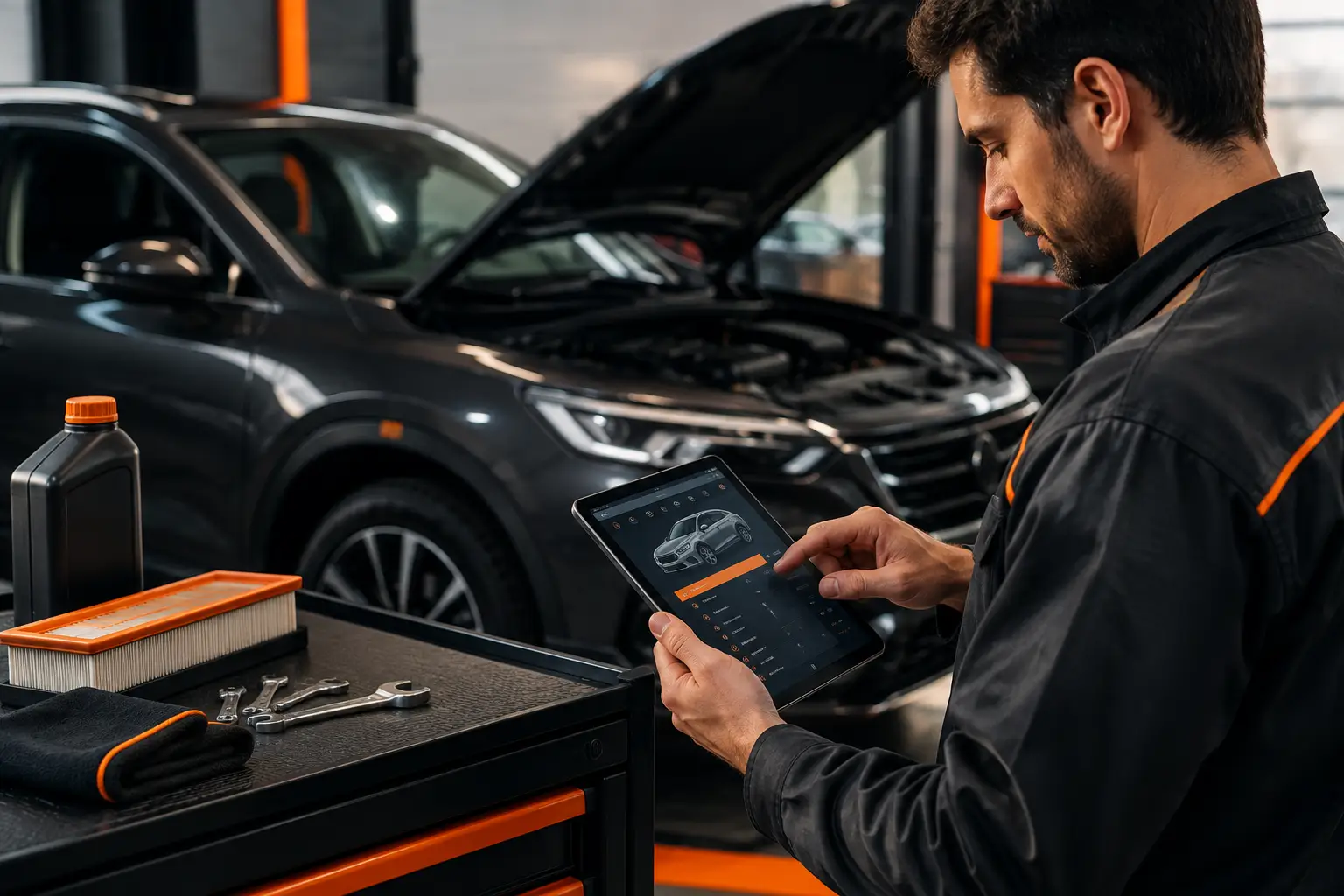
As a reference point, ask for a brake inspection during your vehicle's regular servicing or when you change your tires. For typical daily driving, it's reasonable to inspect the system every 10,000 km or according to the maintenance schedule in your owner's manual. That doesn't mean pads, discs, or fluid will need replacing at that interval. The inspection is there to measure wear and make decisions based on how the parts actually look.
How you drive changes this equation quite a bit. Someone who drives short trips through heavy traffic, even if covering few kilometers, uses the brake pedal far more often and can wear pads faster than someone covering long highway distances. App-based drivers, couriers, taxi and shuttle operators demand even more from the system, especially when carrying cargo, driving in areas with frequent stops, or descending mountains regularly.
There's also the opposite case: a parked vehicle still needs maintenance. A car, motorcycle, or truck sitting unused for long periods can develop corrosion on discs, component drying, and brake fluid degradation. Before returning to regular use, an inspection is worth doing, particularly if the pedal feels different or you spot signs of leaking.
Your manufacturer's manual should be your starting point for intervals and specifications. Still, it can't replace watching for symptoms. A warning light on the dashboard or any change in how the brakes behave deserves priority, even if your next scheduled service is still far off.
Signs your brakes need attention now
Some symptoms let you keep driving cautiously to the nearest shop. Others mean the vehicle should stop and be inspected safely. The key point is not to treat brake changes as normal or try to compensate by driving slower.
Get an inspection as soon as you notice any of these:
- constant squeaking, metallic grinding, or scraping noise when braking;
- pedal sitting lower than normal, feeling very hard, feeling spongy, or requiring more force than usual;
- vibration in the steering wheel, pedal, or body during braking;
- vehicle pulling to one side when braking, even on level pavement;
- brake warning light, ABS light, or stability control light on the dashboard;
- burned smell after descents, heavy traffic, or regular braking;
- brake fluid below the marked level or stains near the wheels suggesting leaks.
Noise is one of the most recognized warnings, but it's not a hard rule. Some pads make noise from dust, moisture, or material properties, especially on the first few brake applications of the day. Still, if the sound keeps going, gets worse, or comes with a loss of stopping power, don't put off the inspection.
A spongy pedal deserves special attention. It may signal air in the system, degraded fluid, or a leak, all of which hurt braking response. If the pedal sinks too far, the red brake light comes on, or your ability to stop the vehicle drops, don't keep driving hoping it gets better. Park somewhere safe and get proper help.
What a brake service should include
Servicing brakes doesn't mean automatically replacing pads. A proper inspection looks at the whole system and identifies whether wear is even, if any parts are near their limits, and what might cause the problem to return early.
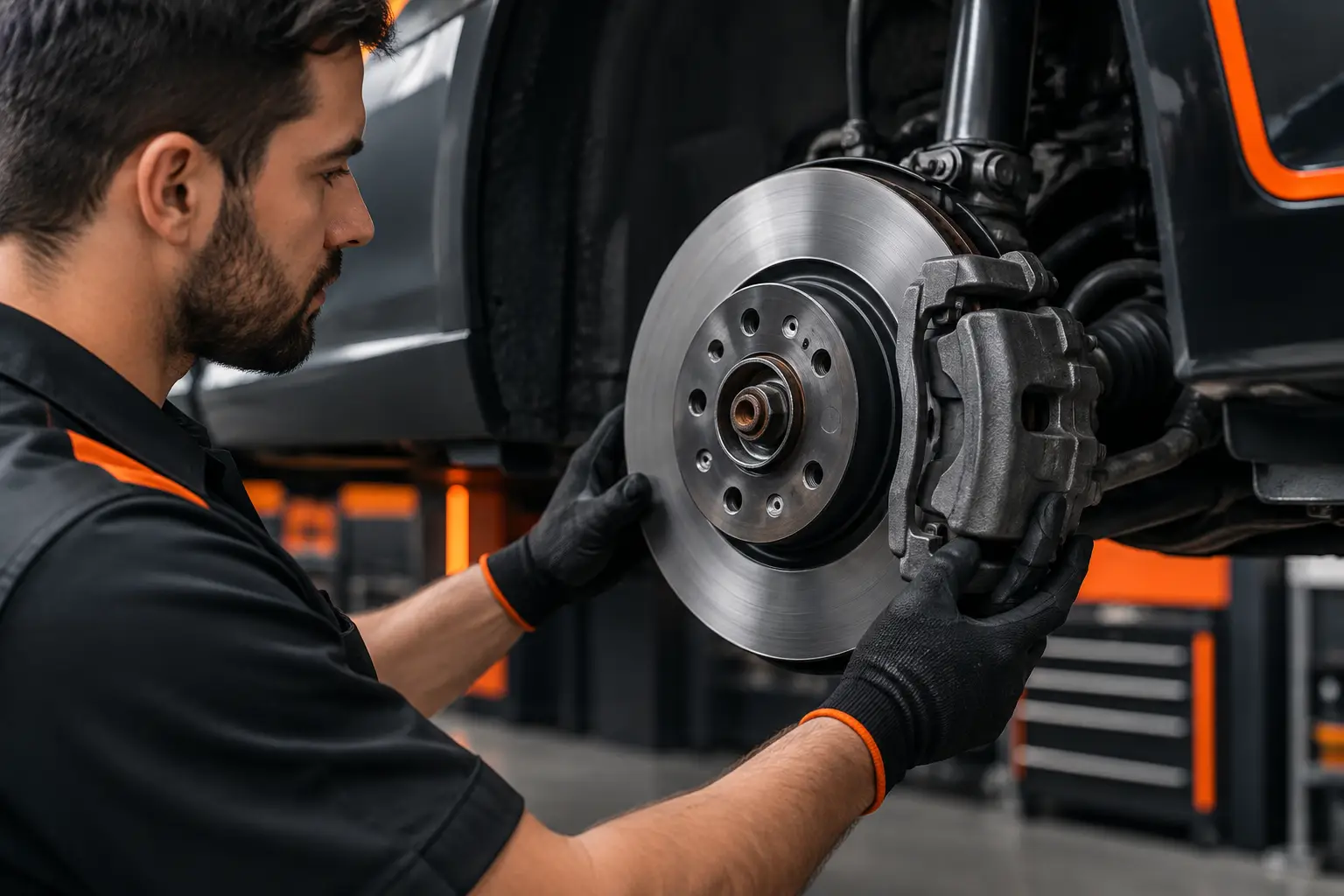
At each wheel, the technician should check the thickness and condition of pads or shoes, plus the surface and thickness of discs or drums. A scored, warped, or undersize disc causes vibration and cuts efficiency. Replacing only the pad on a damaged disc might save money upfront, but won't fix how the brakes should work.
The inspection also covers calipers, pistons, slide pins, hoses, lines, wheel cylinders, and connections. A sticking caliper, for example, speeds up one pad's wear, makes the car pull to one side, and raises fuel consumption through wheel drag. This isn't just about comfort or noise: it's a failure that affects cost and safety.
Brake fluid needs its own attention. It absorbs moisture over time, which cuts its performance at high temperature and can cause internal corrosion. The replacement interval varies by manufacturer and fluid type, but it's often set by time regardless of mileage. Always use the right specification for your vehicle. Mixing incompatible products or topping off without investigating a level drop can hide a real problem.
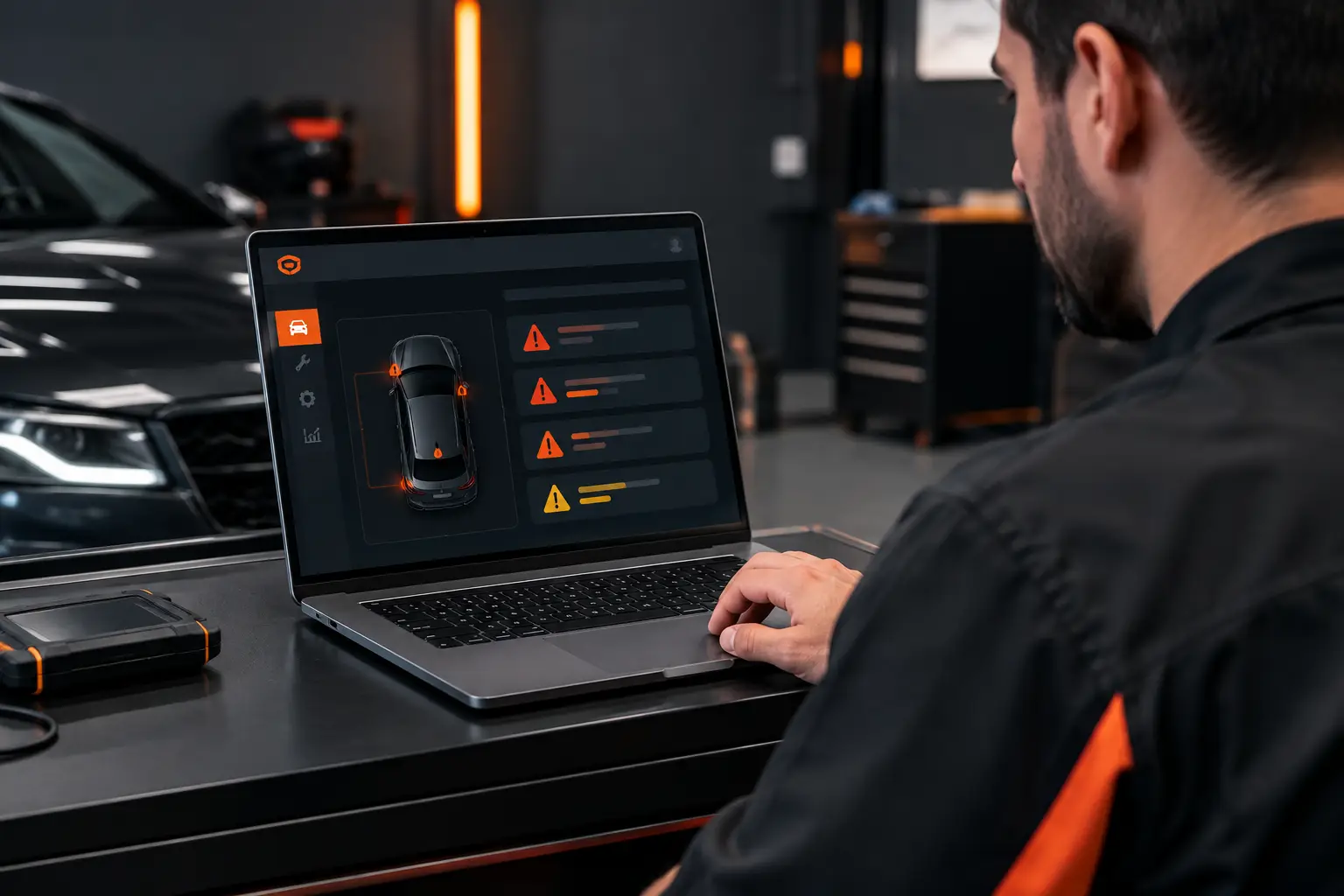
In vehicles with ABS, stability control, and electronic aids, a dashboard light might point to a fault beyond ordinary wear. A diagnostic read helps identify codes and sensors involved, but it's not a replacement for hands-on inspection. Electronic systems depend on brakes, tires, and suspension all in good condition to work right.
Habits that make brake parts last longer
No technique eliminates brake wear, because braking is part of normal driving. But some choices reduce unnecessary strain and make driving more predictable.
Keep distance from the vehicle ahead so you can slow down smoothly instead of braking hard all the time. On long downhill stretches, use a lower gear to use engine braking and avoid letting the vehicle pick up too much speed. And avoid carrying unnecessary weight: more load means longer stopping distance and puts more demand on tires, suspension, and brakes.
After driving through water or washing your wheels, make light brake applications in a safe area to help dry the discs and pads. This doesn't fix contamination from oil, grease, or fluid. If braking gets worse after maintenance, a wash, or hitting a pothole, it's worth looking into rather than waiting for the next appointment.
For anyone who works with their vehicle, tracking this history is even more useful. Repeated premature pad replacement can reveal severe use, wrong parts, an irregular disc, or a caliper not working well. When you keep records, it's easier to compare mileage, cost, shop, and how the vehicle behaved before deciding on the next service.
Log your maintenance so you don't rely on memory
Writing down just "brakes serviced" helps little months later. Record the date, mileage, what was inspected, what was replaced, the type of fluid used, and any notes from the shop. Also keep the reason for the service, like noise, vibration, a dashboard warning, or wear found during routine inspection.
This history stops guesswork. It also makes it easier to manage multiple vehicles, share information with family members or drivers, and calculate operating cost for anyone who depends on the road to earn income. With Mine Garage, you can track maintenance, expenses, and reminders for each vehicle without hunting through old receipts or trusting your memory.
Set a reminder for the next inspection based on how you actually drive, not just a generic date. A car doing 2,000 km a month needs different attention than a motorcycle used only on weekends. The goal is straightforward: catch wear before it becomes an emergency.
Working brakes do more than pass an inspection or silence an annoying noise. They give the driver confidence that the vehicle will respond when a pedestrian steps into the road, traffic stops suddenly, or a trip demands more from the mechanical system. When you notice any change, log it and get an early inspection: this is one of the simplest choices you can make to protect people, keep your routine on track, and watch your budget.