How to Plan Seasonal Vehicle Maintenance
The first heavy rain after months of dry weather, a trip scheduled for the holidays, or a week of intense heat often reveals what's been put off: tires with poor grip, dried-out wiper blades, weak air conditioning, or a battery running on empty. Knowing how to plan seasonal maintenance prevents these issues from catching you with a broken-down vehicle, disrupting your routine or causing a larger expense.
Seasonal maintenance isn't a fixed checklist for every car, motorcycle, van, or truck. It depends on your region's climate, mileage, how you use the vehicle, and periods when it's under heavier demand. For those working in delivery, ride-sharing, or field service, this planning protects your income too: unscheduled downtime means no revenue.
What changes each season for your vehicle
Traditional preventive maintenance follows schedules and mileage intervals set by the manufacturer. Seasonal planning adds a practical question: what will the vehicle face in the coming weeks?
During rainy seasons, visibility and traction are the priority. Tires, tire pressure, tread depth, wipers, lights, and defrosters become more critical. There's no point waiting for a storm to discover that wiper rubber has hardened or that a tire no longer channels water as it should.
In hot periods, the cooling system and air conditioning deserve attention. Coolant level and condition, hoses, fan operation, and AC performance help prevent discomfort and overheating, especially in heavy traffic. For motorcycles, add battery checks and storage conditions to your list if there are long periods without use.
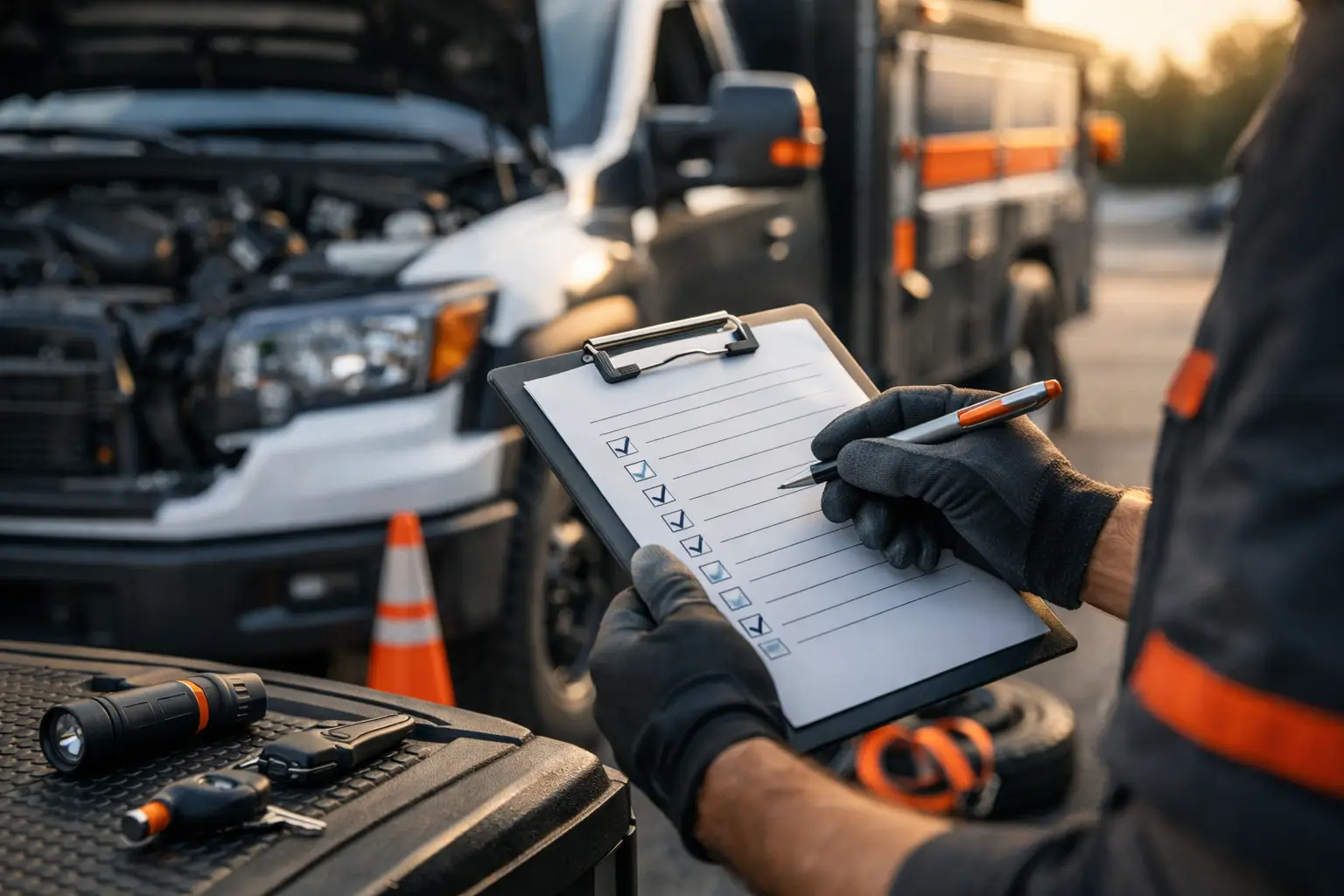
Before trips, the logic shifts again. Even if routine service isn't yet due, perform an inspection tailored to your route: tires, spare tire if applicable, brakes, oil, lights, and required items. Those managing a small fleet can create a pre-trip checklist for each vehicle instead of relying on each driver's memory.
How to plan seasonal maintenance without depending on memory
Start by turning predictable events into useful reminders. Rain, holidays, heat, year-end trips, and busy work months aren't surprises. When you mark them on your calendar in advance, they stop becoming emergency repairs.
Begin by reviewing your vehicle's history. Check when tires, wipers, filters, oil, brake fluid, and battery were last serviced. Then compare those records with how you're using it now. A car that runs little in city driving has different needs than a van working every day, and a motorcycle exposed to the weather requires different care than a vehicle stored in a garage.
Next, set a verification window, not just a fixed date. For example, schedule a rain-season inspection two to four weeks before the wet season typically starts in your area. This gives time to research, book, and complete the service without rushing. For long trips, the check can happen seven to fifteen days before departure, with a quick review the day before.
It's also worth separating simple inspections from work requiring a shop. Checking tire pressure, light operation, and fluid levels are part of the driver's routine, following the manual's guidance. Noises, leaks, dashboard warnings, uneven tire wear, and braking issues need professional evaluation. Planning doesn't mean trying to fix everything yourself. It means spotting the problem early and acting at the right time.
Build a calendar that tracks actual use
A useful calendar brings together maintenance by time, mileage, and condition. If you only record the date of your last oil change, you might miss that the vehicle has traveled far more than expected. If you track only mileage, you might forget components that age even with little use, like wipers, fluids, and battery.
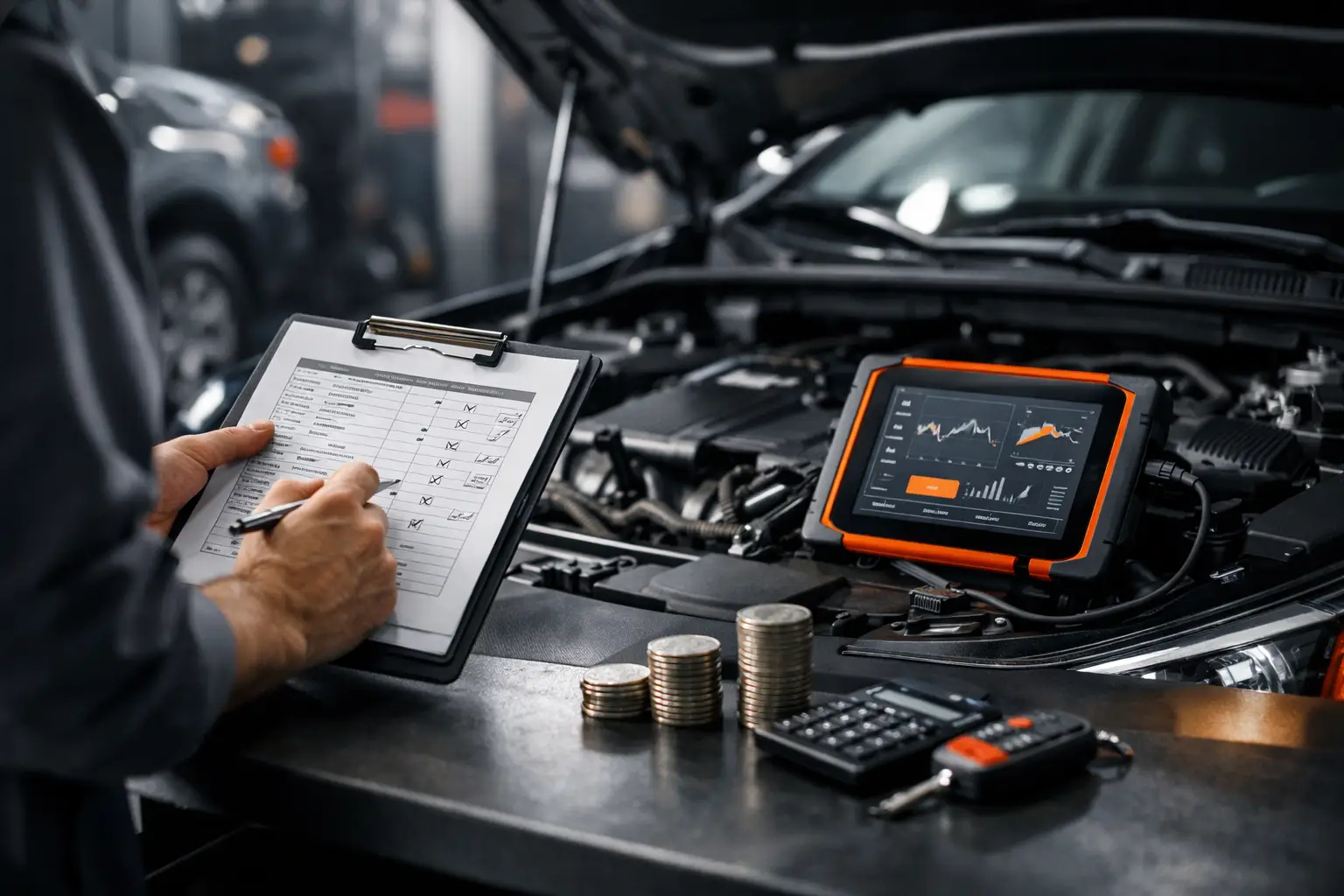
For a personal-use vehicle, organize reminders for the manufacturer's recommended service, pre-trip inspections, and weather-related checks. Also record each service performed, mileage, amount paid, and any relevant notes, such as a shop recommendation or wear that should be monitored.
For professional drivers, add peak work periods. If certain months bring more rides, deliveries, or travel, anticipate services that could interrupt operations. Replacing a worn item during a slower week might be better than dealing with a failure when your schedule is packed. The decision depends on the component's condition, technical recommendations, and the cost of downtime.
In a small fleet, centralize information by vehicle and share responsibilities. One person can track due dates and costs, while each driver records mileage, fuel, alerts, and incidents. This history helps you identify vehicles needing more attention and prevents two tasks from being forgotten because each person thought the other would handle them.
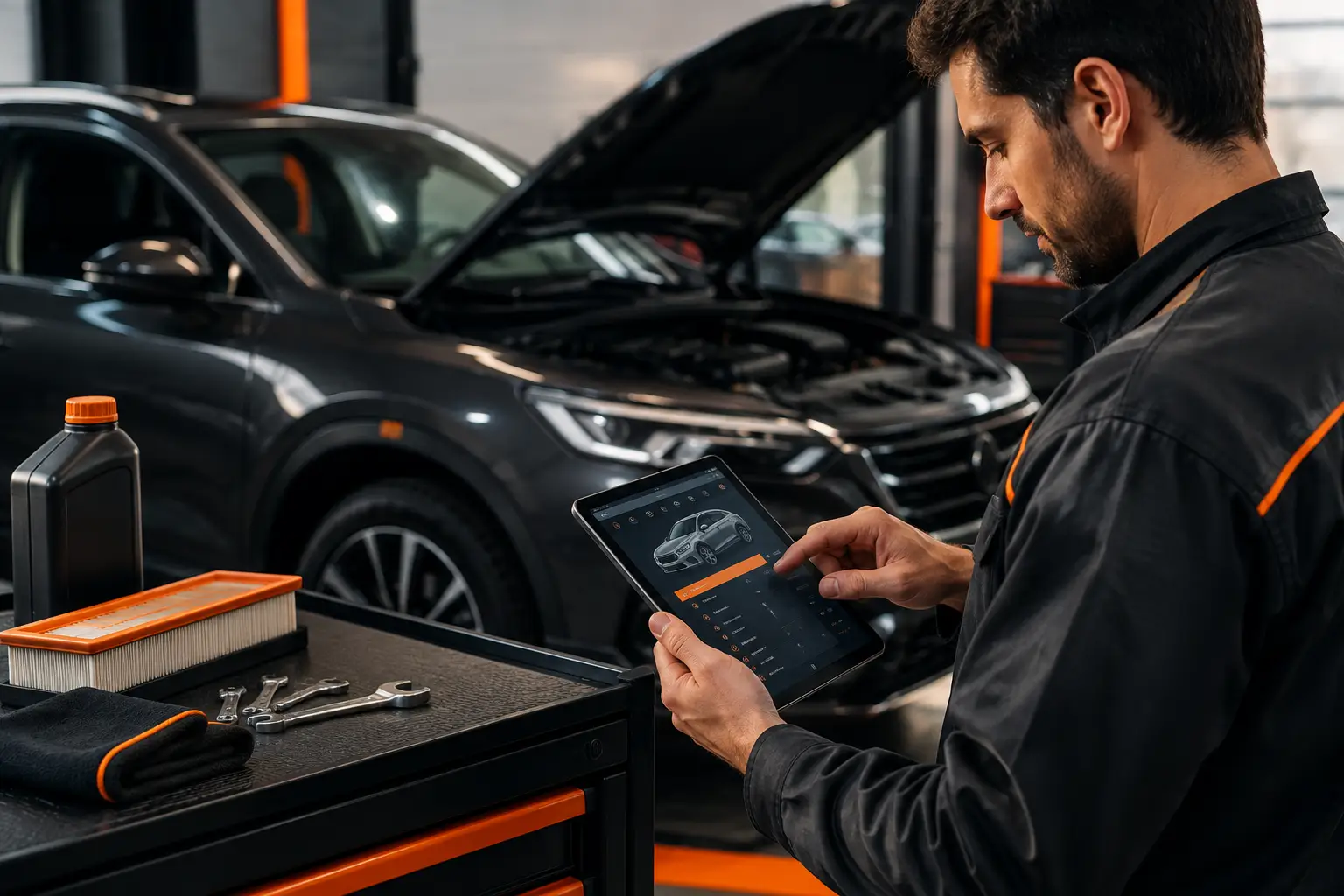
Mine Garage can serve as this central archive, bringing together reminders, maintenance history, expenses, mileage, and shared vehicle information in one place. The practical benefit is straightforward: you check what's been done, understand what's coming next, and make decisions with data, not loose receipts or incomplete memories.
Prioritize what affects safety, operation, and cost
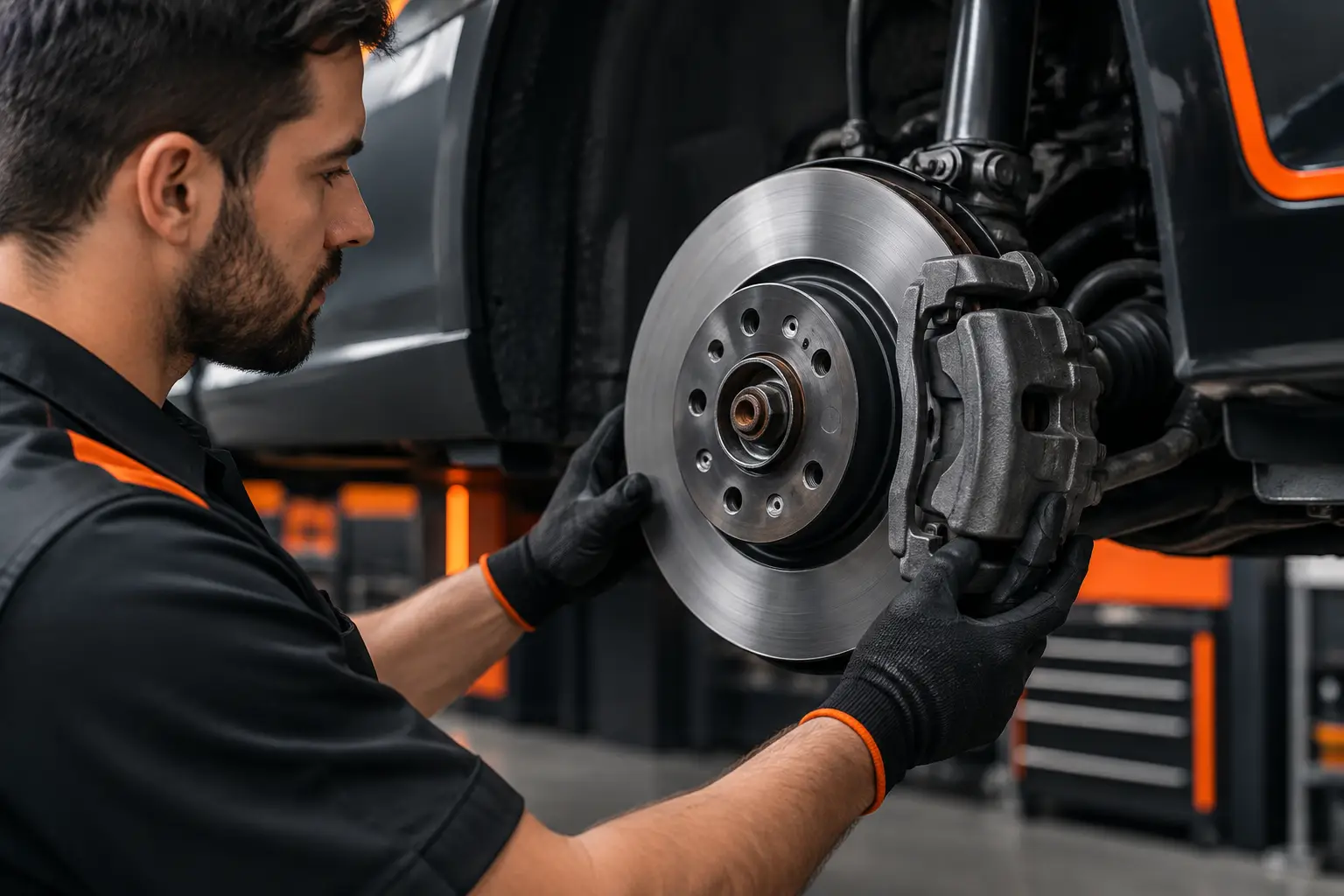
Not every seasonal service has the same urgency. When budget or time is tight, prioritize what directly affects safety and vehicle function. Tires, brakes, lighting, steering, suspension, and visibility-related items deserve attention before cosmetic work or improvements that can wait.
Then assess operational impact. Weak air conditioning might just mean discomfort for a personal driver, but it can make an entire day grueling for someone working in traffic. Similarly, a battery problem may be more critical for a delivery van that starts and stops many times a day.
Finally, track costs across seasons. Recording expenses reveals patterns that don't show up in a single invoice. Perhaps a vehicle is using more fuel in summer traffic, or tires are wearing faster than expected, or a recurring service signals the need to investigate a deeper issue. The goal isn't to cut every expense, but to distinguish preventive maintenance from repeated spending due to lack of oversight.
Avoid mistakes that turn prevention into neglect
The most common error is planning only annual service and ignoring real-world conditions. A vehicle can be within its service interval but not ready for a stretch of rainy days or a loaded trip. The second error is using seasonality as an excuse to postpone already-recommended work. If a component needs attention now, waiting for the next season rarely reduces the risk.
Another problem is not recording what was done. Without the date, mileage, cost, and description of the service, it's hard to know if a part was replaced, when it should be checked again, or how much that vehicle actually costs to run. This matters even more if you have multiple vehicles or share maintenance responsibilities with family or staff.
Also plan a small margin for unexpected issues. The calendar helps reduce emergencies, not promise they'll never happen. An early inspection might reveal a necessary replacement, and that's exactly the desired result: finding out before a failure compromises a trip, a work day, or the safety of those on board.
The best time to prepare your vehicle for the next season is before you feel its effects on the road. Record your last service, observe how the vehicle is being used, and schedule the next check with time to decide without pressure. That way, each service stops being a surprise and becomes part of a safer, more organized, and more predictable routine.