When to Replace Your Car's Brake Pads
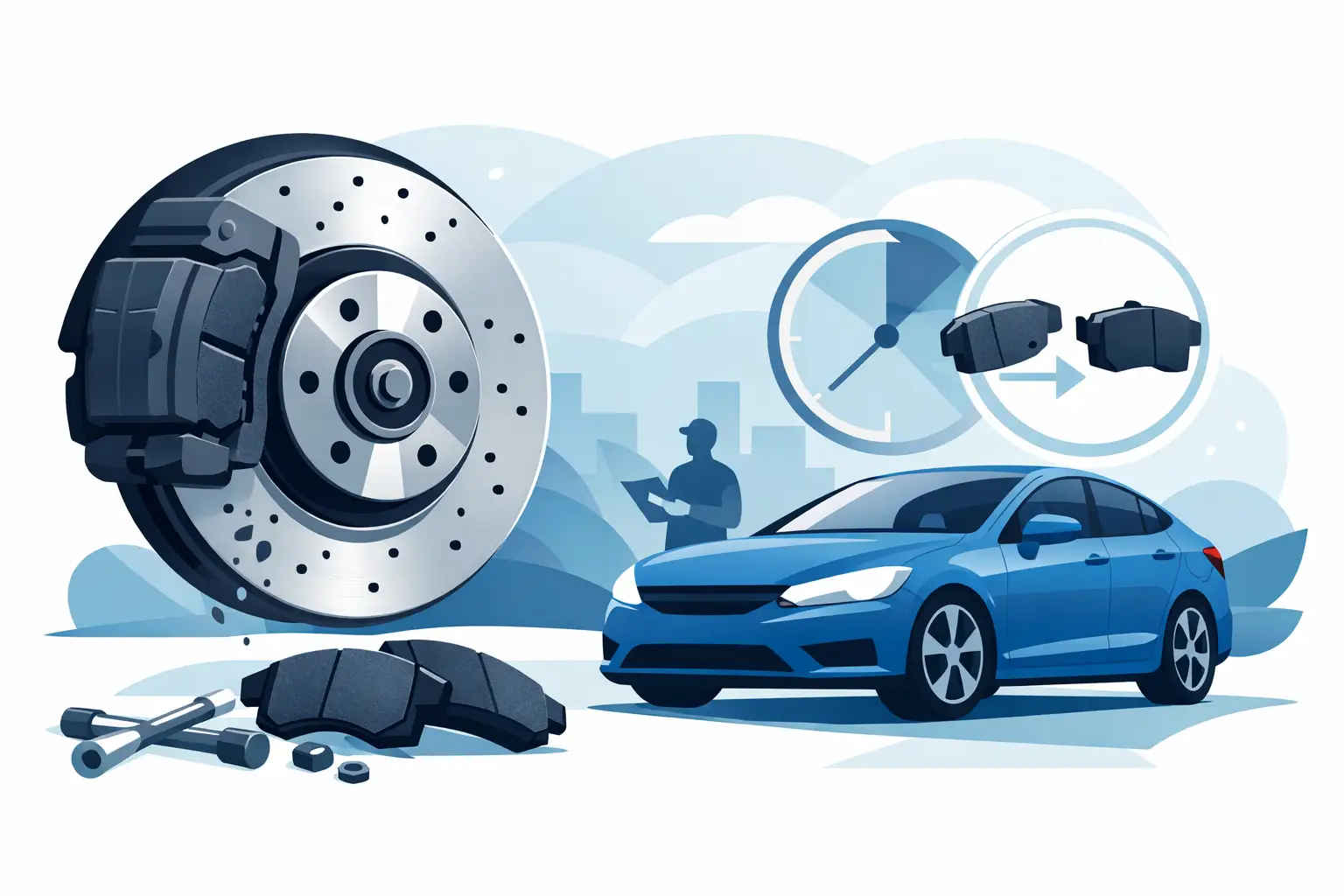
Brake pads rarely give convenient advance notice. You hear a noise pulling out of the garage, feel the pedal behave differently in traffic, or get an alert during a service. Knowing when to replace brake pads prevents a simple maintenance job from becoming a rotor replacement, wasted time, and unnecessary expense.
There's no single mileage that works for every car. Someone sitting in daily traffic, making deliveries, transporting passengers, or driving a loaded vehicle uses the brakes very differently from someone who drives only on weekends. That's why the best decision combines inspection, vehicle signals, and a well-maintained service history.
When to replace brake pads: signs worth paying attention to
The most common signal is squealing when you brake. It may indicate that the pad wear indicator is touching the rotor. On many vehicles, this small metal component was designed specifically to produce a noise and catch your attention before the friction material runs out.
But not every noise means the pad is done. Dust, moisture after rain, and long periods with the car sitting can all cause light, temporary noises. If the squealing continues for days or happens during nearly every braking, it's worth scheduling an inspection. Waiting for the problem to disappear on its own can get expensive.
How the pedal feels matters too. A pedal that sits very low, vibration when braking, the vehicle pulling to one side, or loss of braking efficiency all demand quick inspection. These symptoms don't point only to the pads: they can involve warped rotors, stuck calipers, expired brake fluid, or other system components. Brakes aren't an area for trial-and-error diagnosis.
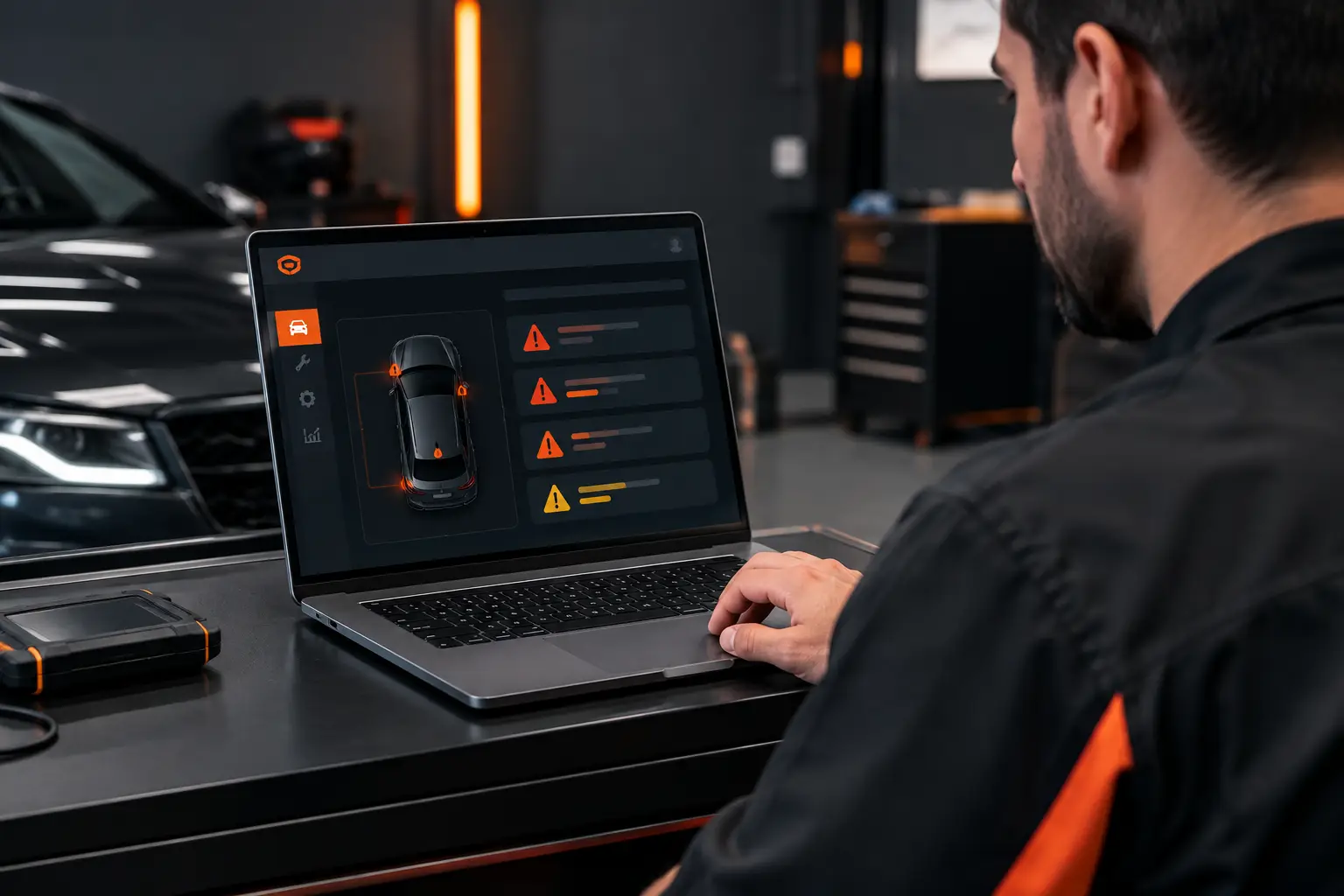
Watch your dashboard too. Some cars have a pad wear warning light, but not all models include this feature. When an alert appears, treat it as a maintenance request, not a reminder you can put off until next month.
Pad thickness determines when to replace
The most reliable way to decide is to measure the thickness of the friction material. Generally, new pads have about 10 to 12 millimeters of material, though this varies by vehicle and part. Many technicians recommend scheduling replacement when about 3 millimeters remain.
This margin exists for a practical reason: it lets you plan the service before the pad reaches the metal backing. When metal starts touching the rotor, the friction can scratch or damage the surface. At that point, your bill isn't just pads and labor anymore. It may include new rotors or resurfacing, when the manufacturer allows it and the rotor's condition permits.
Don't try to estimate thickness by looking behind the wheel unless you know exactly what you're looking at. On some cars, the caliper and wheel position hides part of the pad. An inspection at the shop is quick and also lets them check for uneven wear on the inside and outside of the pad. If one side is much more worn than the other, it may point to a mounting error or caliper trouble.
Mileage helps as a guide, but doesn't replace inspection
As a broad reference, front pads can last anywhere from 12,000 to 37,000 miles. Rear pads often last longer, but it depends on the braking system, vehicle weight, engine braking use, and even the electronic brake distribution. Electric and hybrid cars, for example, may wear pads more slowly because they use regenerative braking for part of deceleration.
Mileage varies much more for those using a car as a work tool. A rideshare driver may rack up many miles in urban streets with frequent stops and passengers aboard. A delivery driver might face hills, cargo, and heavy traffic. A work van or pickup might demand more from the system because of the weight it carries.
In these cases, it's not wise to wait for a generic manual interval. Log the mileage and date of your last replacement, then ask the shop to record the remaining thickness at each service. After two or three records, you'll understand the wear pattern for that vehicle and plan the next maintenance without a surprise breakdown.
Front and rear pads don't wear equally
On most vehicles, front pads work harder because weight transfer during braking puts more load on the front axle. That doesn't mean rear pads can be ignored. Some vehicles have disc brakes on all four wheels, while others combine front discs with rear drums. Each setup has different inspections and parts.
Also, never replace just one pad. Replacement should be done by axle, meaning both front pads or both rear pads at the same time. This keeps your braking balanced. Mixing new pads on one side with heavily worn pads on the other can hurt stability and cause uneven wear.
Choosing the right pad matters. Quality pads may cost more than unknown brands, but they tend to offer better consistency, less noise, and more predictable wear. The best pad isn't necessarily the most expensive: it's the one specified for your vehicle, installed correctly, and backed by an inspection of the entire system.
What to check along with the brake pads
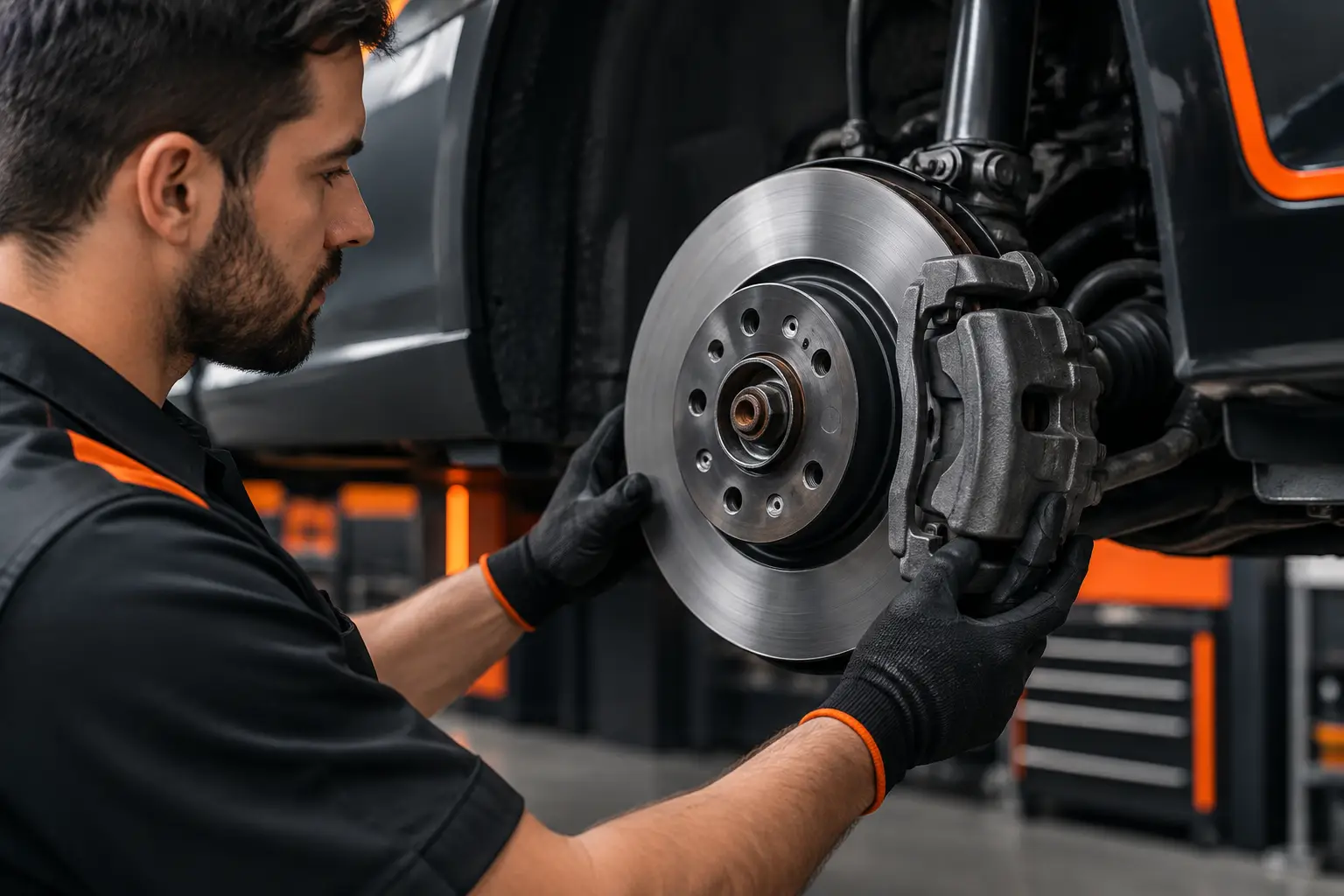
Replacing pads without checking the rest of the system may solve only part of the problem. During service, ask for an evaluation of the rotors, calipers, hoses, brake fluid, and sensors if present. The shop should tell you whether the rotor is within the minimum thickness specified by the manufacturer and whether there are deep scratches, warping, or uneven wear.
Brake fluid deserves its own attention. It absorbs moisture over time, and when it expires, it can hurt system performance under hard use. Check your manual for the correct service interval. Don't confuse low fluid with simply topping it off: a level drop can go hand-in-hand with pad wear or signal a leak that needs diagnosis.
After replacement, follow any break-in period advised by the shop or pad manufacturer. For the first braking cycles, avoid pushing the system hard with long descents, repeated hard braking, or excess load. This care helps the pad settle onto the rotor and cuts the risk of noise and poor performance.
How to extend pad life without driving too slowly
Preserving pads doesn't mean holding up traffic. It means driving with foresight. Keeping distance from the vehicle ahead, easing off the gas before a red light, and using engine braking on downhills all reduce harsh stops and overheating.
For professionals, this habit has a direct effect on the bottom line. Less brake wear means fewer unplanned stops and better predictability of cost per mile. For families, it cuts the chance of discovering urgent maintenance just before a trip. Either way, the savings come from routine practice, not from delaying a part that's already reached its limit.
Also avoid carrying unnecessary weight in the trunk or cargo area. Extra weight increases the energy your system must release during every brake application. On work vehicles, organize your load and respect the weight limits the manufacturer specifies. This protects brakes, tires, suspension, and fuel economy.
Log the replacement so you don't rely on memory
After the service, keep the receipt, record the mileage, note whether it was front or rear pads, and write down what you paid for parts and labor. If the rotors or fluid were also replaced, record each item separately. This level of detail prevents confusion at the next service and shows what the vehicle really costs to maintain.
If you manage more than one car, bike, van, or driver, tracking becomes even more essential. A centralized history lets you compare costs, spot vehicles that burn through pads faster than expected, and share information with anyone who uses the vehicle. With Mine Garage, this kind of record can live alongside reminders, expenses, and maintenance history, with no need to hunt through loose receipts or rely on someone's memory.
If you don't know when the last replacement happened, don't wait for metal-on-metal noise. Start with a brake inspection and turn the results into a record. The next decision will be simpler, safer, and far less urgent.