The Best Apps for Vehicle Maintenance Tracking
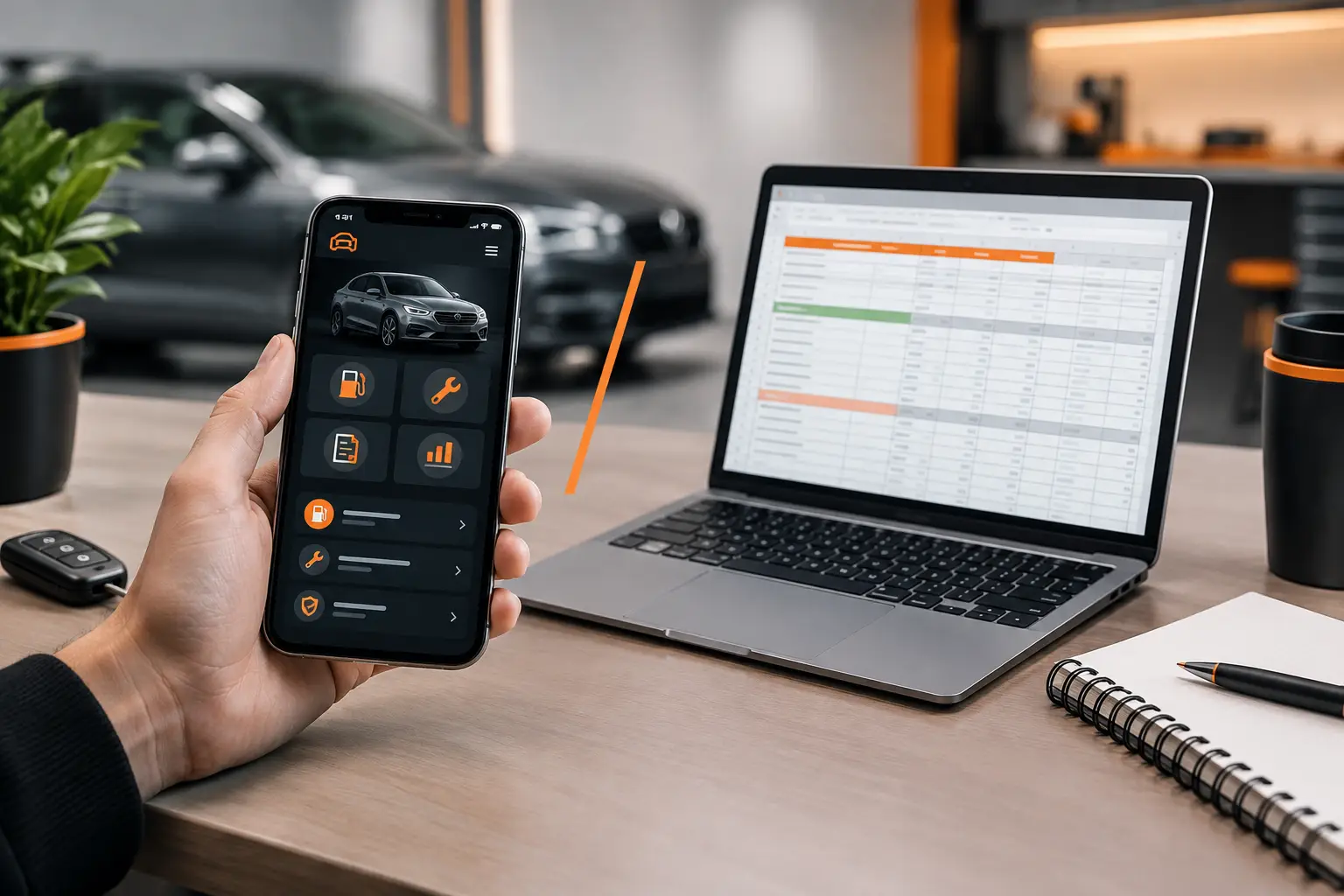
A forgotten oil change, a lost repair receipt, and fuel purchases recorded only in memory seem like small details. Until the day they turn into expensive maintenance, doubt when selling the car, or the feeling that your vehicle is costing more money than it should. The best apps for vehicle maintenance tracking solve this problem by transforming scattered information into an easy-to-check history right on your phone.
The right app does more than just remind you about your next service. It helps you record what happens to your vehicle, track costs, and make decisions based on real data. For those who use their car for work, this visibility also shows whether the operation is profitable or if expenses are growing out of control.
What good vehicle tracking needs to record
Vehicle tracking is, above all, having a reliable record. This includes mileage, fuel purchases, preventive maintenance, repairs, documents, insurance, taxes, and other expenses. When each event is scattered across conversations, scraps of paper, and different spreadsheets, finding a simple piece of information becomes a chore.
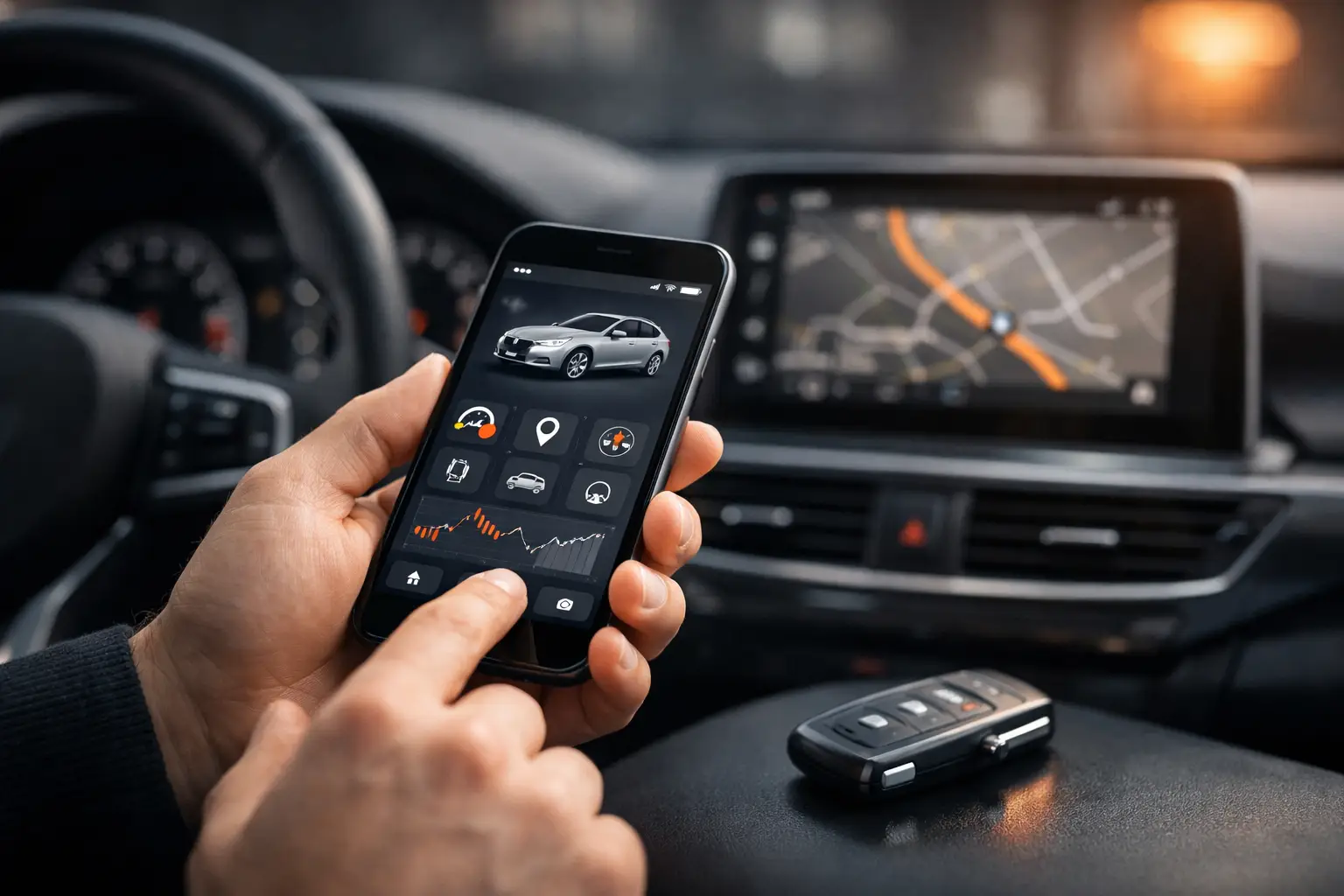
A good app brings all this data together in one place and creates a timeline of your vehicle. You can see when oil, filters, tires, brake pads, belts, batteries, or any other relevant item were changed. It's also easier to remember how much you paid, which shop you used, and the mileage when the service was done.
This history makes a difference in common situations. When you notice unusual fuel consumption, for example, you can compare recent fill-ups and investigate before the problem gets worse. When selling, an organized history gives buyers more confidence. In a family, it prevents two people from doing the same maintenance due to poor communication.
How to evaluate the best apps for vehicle tracking
There's no single ideal app for every driver. A vehicle owner who wants to avoid missing scheduled services has different needs than a delivery driver who depends on their vehicle every day. Before choosing, it's worth checking whether the app fits your routine, not just whether it has a long list of features.
Reminders based on time and mileage
Maintenance doesn't happen just because a month has passed on the calendar. Many services depend on mileage, type of use, and manufacturer recommendations. That's why the best apps let you set reminders by date, odometer reading, or both.
Oil change alerts are the most well-known example, but tracking needs to go beyond that. Vehicle registration renewal, insurance, tire rotation, inspections, and document expiration all deserve attention. A useful reminder arrives before a problem, not after maintenance has already lapsed.
Fuel tracking and real consumption records
Recording every fill-up shows how much your vehicle actually consumes. By logging liters, cost, fuel type, and mileage, you start tracking averages and can spot changes in how your car, motorcycle, van, or truck is performing.
But it's important to look at the numbers with context. A worse average in one month might result from heavy traffic, heavier load, air conditioning use, or a trip with lots of hills. The app doesn't replace mechanical diagnosis, but it helps you notice when a variation stops being normal and deserves attention.
Expenses that don't stay hidden
Fuel usually gets the most attention because it's a frequent expense. Still, insurance, registration, parking, tolls, washing, financing, parts, and labor make up the real cost of owning a vehicle. Without recording these amounts, it's easy to underestimate how much it weighs on your budget.
Look for an app that lets you categorize expenses and view reports by time period and by vehicle. This organization is especially useful if you have more than one car or mix personal and work use. Instead of asking "how much did I spend?", you can see where the money actually went.
History that's easy to check and share
A record only works if it's easy to update. Confusing screens and too many fields discourage users, especially in the rush after filling up or leaving a repair shop. The best experience is one that lets you record the essentials quickly and add details when needed.
Sharing can also be decisive. Couples, families, and small teams need to view the same vehicle without relying on scattered messages and files. In a small fleet, it helps track who's using each vehicle, what services are pending, and which costs deserve review.
Advanced features for those who need more control
For some drivers, reminders and expenses solve almost everything. For others, features like checklists, cost analysis, income tracking, and OBD2 diagnostic reading make a real difference. A rideshare driver, for example, needs to compare earnings, fuel, maintenance, and platform fees to understand how profitable they really are.
A service company might use daily checklists to catch issues before vans or trucks hit the road. Enthusiasts might value detailed history and vehicle fault codes. The point is not to pay for complexity you won't use, nor to choose a basic tool when your operation demands greater visibility.
Which app makes sense for different types of drivers?
For the everyday vehicle owner, practicality is usually the priority. An app with vehicle registration, maintenance reminders, fuel tracking, and main expenses already reduces dependence on memory significantly. The goal is simple: never miss a service and know the cost of keeping your vehicle in good condition.
For those working in transport, deliveries, field service, or rideshare, financial tracking carries the same weight as maintenance. Recording income and costs by vehicle helps answer an essential question: after fuel, services, tires, and fees, how much actually remains as profit? Without this calculation, revenue can look like profit when it's not.
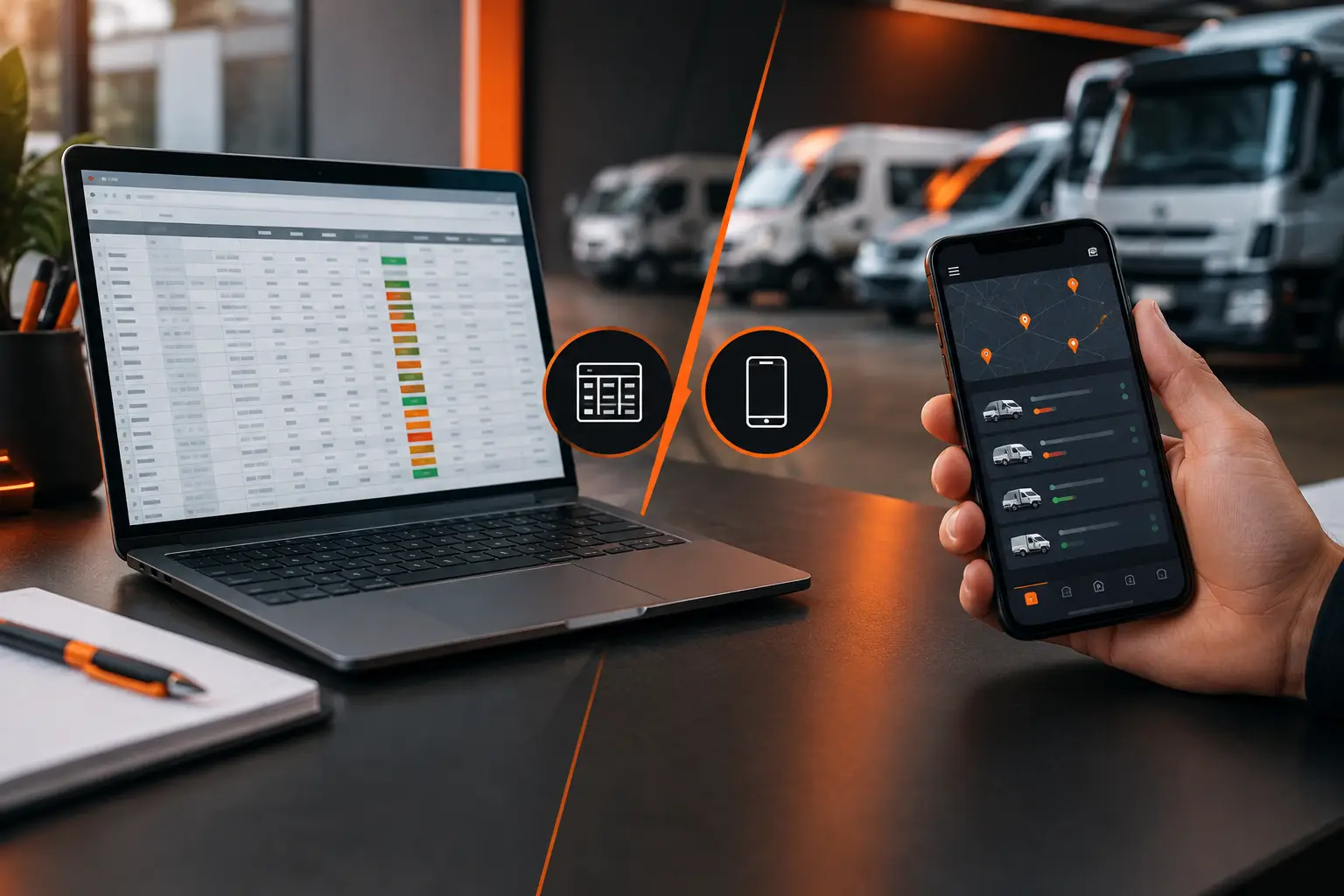
Small fleets need centralization. The person in charge should be able to track multiple vehicles, check what's overdue, and share information with drivers or managers. You don't need to start with a heavy system built for large companies. What matters most is creating disciplined record-keeping and clear visibility into your operation.
An option like Mine Garage combines maintenance, fuel, expenses, income, checklists, sharing, and history in one platform. This can avoid constantly switching between different apps, especially for those managing multiple vehicles or who need to track costs more carefully.
How to get started without abandoning tracking after the first week
The most common mistake is trying to enter your vehicle's entire history all at once. If you have receipts piling up over years, start with what's most useful now: current mileage, last fuel-up, last oil change, tire service, insurance, and upcoming requirements. Then add old records gradually as it makes sense.
Create a short routine. After filling up, record the amount and mileage before leaving the pump. After maintenance, save the service, date, cost, and what was replaced. It takes just a few minutes and prevents important information from disappearing over time.
Also worth reviewing your data once a month. Check if consumption has changed, if there are unexpected expenses, and whether any reminders are coming up. For professionals, compare income and costs for the same period. This review transforms the app from just a digital filing cabinet into a decision-making tool.
The app is a tool, not a substitute for proper care
No alert makes up for ignoring a new noise, a dashboard warning light, or an obvious loss of performance. Vehicle tracking helps organize information and plan ahead for services, but a mechanic's evaluation is still necessary when there are signs of trouble.
It's also good to check that your scheduled reminders follow the manufacturer's manual and your actual driving conditions. A vehicle that spends lots of time in heavy traffic, carries heavy loads, or works every day may need different maintenance than a car used only on weekends.
The best results come from consistency. Start with the records that affect your routine most and let the history grow with each fill-up, service, and expense. Over time, you stop relying on memory and start caring for your vehicle with information that really helps you save money, plan ahead, and drive with greater peace of mind.