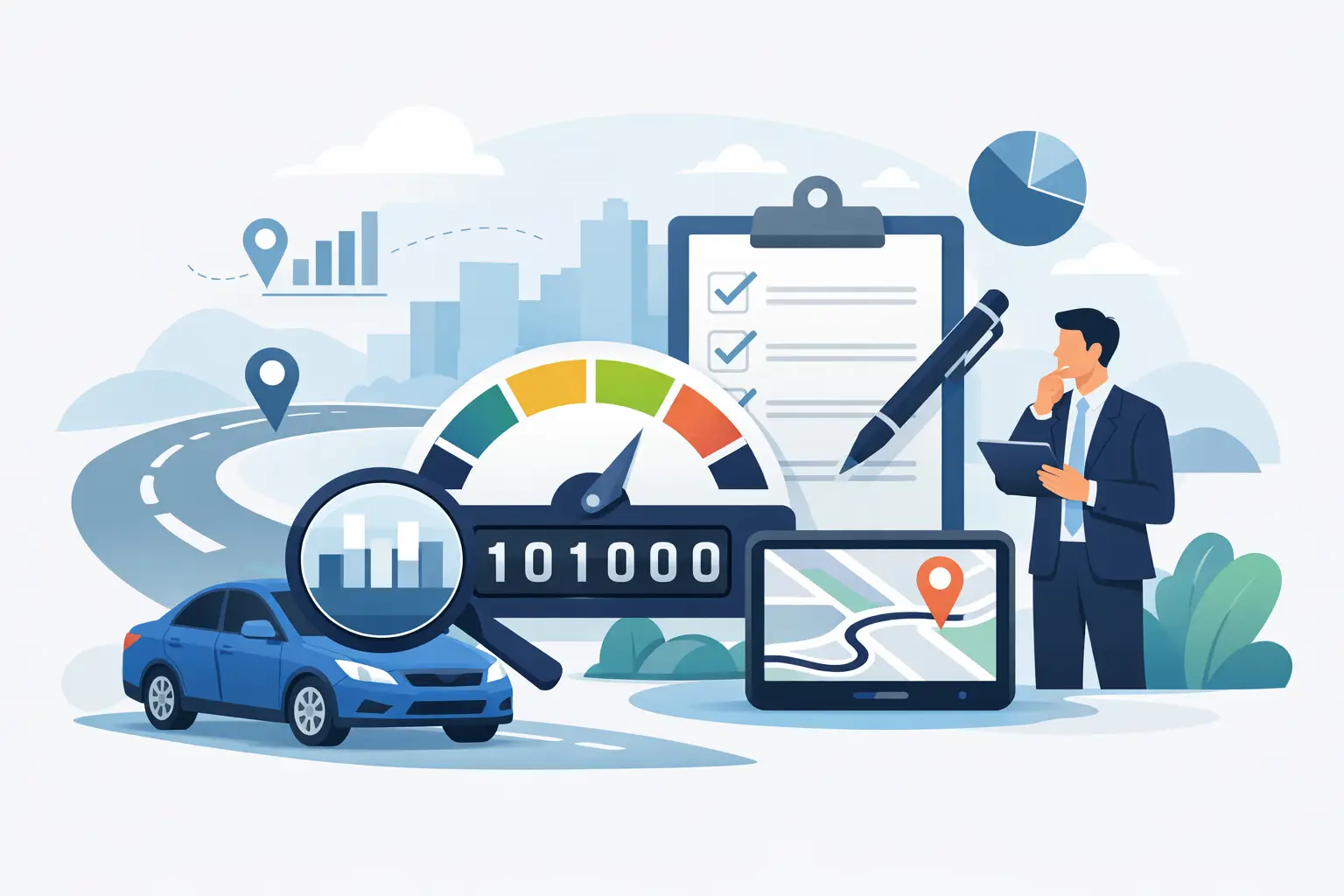
Predictive Maintenance Reduces Downtime and Costs
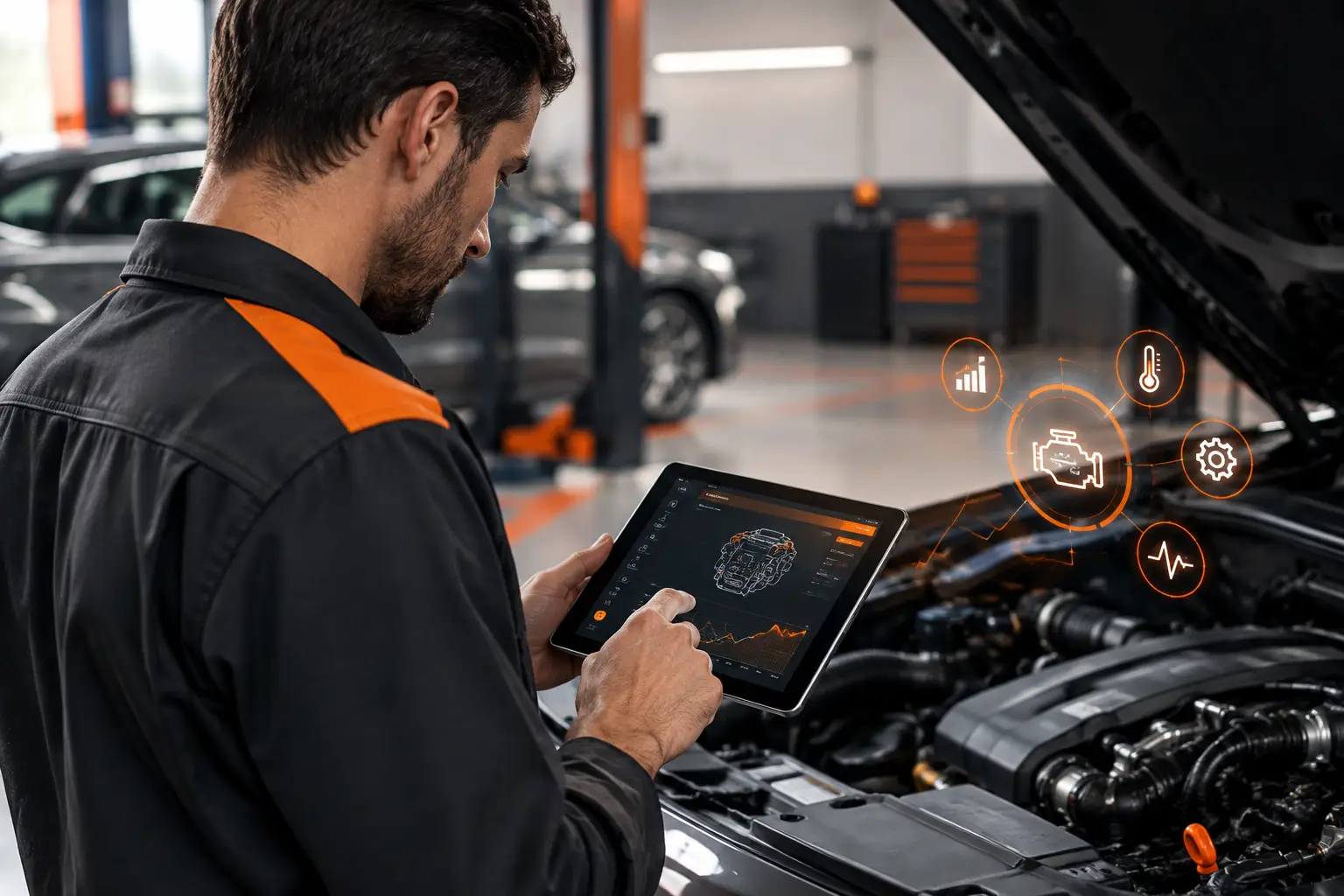
A warning light that flickers on and off, fuel consumption that gets worse without explanation, or a new noise when you start the engine rarely seem urgent at first. Yet ignoring these signals can turn a simple fix into a breakdown, a day with your vehicle off the road, or an expense you never saw coming. Predictive maintenance exists to prevent that kind of surprise: it uses data, history, and wear signals to tell you when something deserves attention before it fails.
For anyone who drives every day, the idea is straightforward. Instead of relying only on a fixed schedule or waiting for something to break, you track your car's, motorcycle's, van's, or truck's actual behavior. This helps you decide when to investigate an alert, schedule a shop visit, and set aside the money you'll need.
What is predictive maintenance
Predictive maintenance is a strategy based on your vehicle's condition. It looks for signals that may point to wear or developing failure, such as changes in fuel consumption, diagnostic codes, temperatures outside normal range, vibrations, noises, mileage, and how often services recur.
In industrial operations, it might involve dedicated sensors and advanced analysis. For a private owner or small fleet, it's usually more straightforward: compare your records, track dashboard alerts, check OBD2 data when available, and keep a detailed history. The goal isn't to predict the future. It's to spot trends early enough to act calmly.
A one-time increase in fuel consumption might relate to traffic, load, weather, or a different route. But if it continues for several weeks and comes with a loss of power or a check engine light, it stops being just normal variation. Your history turns an impression into something you can actually investigate.
Predictive, preventive, and corrective maintenance are not the same
All three forms of maintenance can exist side by side, and each has its place. Corrective maintenance happens after failure: replacing a broken part, fixing a system that stopped working, or dealing with a breakdown. Sometimes it's unavoidable, but it's almost always the option that leaves you least time to plan and budget.
Preventive maintenance is done on a time or mileage schedule. Oil changes, filter replacements, fluid top-offs, and items listed in your manual fall here. It remains essential because many components need attention even when they show no clear signs of trouble.
Predictive maintenance adjusts your attention to how you actually use the vehicle. Two identical vehicles can age very differently. One racks up highway miles; another spends its day in city traffic, carries cargo, or handles deliveries. The manufacturer's schedule is your starting point, while real-world data helps you spot exceptions.
This also reveals an important limit: monitoring signals doesn't replace the maintenance the manufacturer recommends. Waiting for a warning light before you care for your oil, tires, or fluids isn't predictive maintenance. It's taking an unnecessary risk.
Which signals are worth tracking
You don't need to turn your garage into a diagnostic center. What matters most is tracking information that's already part of your routine and recording what changes. Mileage, fuel fill-ups or charging sessions, average consumption, expenses, maintenance performed, and dashboard warnings already give you a solid foundation.
For gas-powered vehicles, pay attention to harder starts, rough running, unusual smoke, loss of power, changes in consumption, and persistent noises. For hybrids and electric vehicles, observed range, charging behavior, system alerts, and efficiency variations deserve to be recorded. A one-time drop in range might be the effect of temperature or your route; a steady decline deserves professional evaluation.
OBD2 data can also help when your vehicle supports it. It lets you check for fault codes and, in some cases, live engine data. A code isn't a final diagnosis or permission to replace parts on your own. It's a signal to record, research carefully, and bring better information to a qualified technician.
Visual inspection and attention to how your vehicle behaves remain valuable. Leaks, uneven tire wear, unusual smells, and new vibrations are all relevant. With safety systems, brakes, airbags, and high-voltage components, don't try to improvise repairs: note the symptom and find an authorized shop.
History is what gives data meaning
A receipt shoved in the glove compartment or a note lost on your phone won't help much when a question comes up months later. For predictive maintenance to work in real life, every service needs context: date, mileage, reason, parts or fluids used, cost, and notes about how the vehicle was performing.
With that record, it's easier to answer practical questions. When did the problem start? Did consumption change before or after a service? Has that OBD2 code shown up before? How long did your last set of tires last? How many days was the vehicle off the road? For anyone who works driving, these answers also help measure the financial hit of downtime.
An app like Mine Garage brings together maintenance, expenses, fuel fill-ups or charging, mileage, documents, and diagnostic records in one history. The value isn't in piling numbers on your screen. It's in spotting patterns, getting reminders, and having organized information when you need to decide whether something can wait or should go on the shop calendar.
How to start without complicating your life
Begin with what you already know. Add your vehicle and record the current mileage, the last service you know about, and recent expenses that are still available. If you have history in spreadsheets or another app, gathering that data means you won't start from scratch and gives you a better baseline to measure the next few months against.
Then keep a simple recording routine. When you fuel up or charge, enter the mileage. When you get service, save the cost and a short description. When a dashboard light appears, note the date, the code if available, and what you noticed while driving. It takes just a few minutes and keeps you from relying on memory if the symptom comes back.
It also makes sense to set reminders for the maintenance your manual recommends, documents you need to renew, and inspections that fit your vehicle. Locally, obligations like registration and licensing have their own rules and aren't maintenance, but tracking deadlines helps keep your entire vehicle history organized. Anywhere in the world, expired documents and missed services can become an avoidable problem.
For professional drivers, every breakdown costs money
If you work doing rideshare, deliveries, service calls, or transport, you lose more than time when your vehicle stops. You lose income, you might miss commitments, and you still have to deal with urgent maintenance. That's why tracking cost per mile, fuel consumption, expenses, and income alongside your maintenance history changes the quality of your decisions.
A recurring issue might look small in isolation. When you compare shop visits, days off the road, and drops in efficiency, it might show that it's time to dig deeper into the cause. The same goes for a van or truck in a small business: recording checklists, mileage, and services lets you plan work outside your busiest hours.
There's no universal interval that works for everyone. A vehicle doing short, intense routes may need different attention than one used only on weekends. Predictive maintenance works best when it respects that difference without dropping the manufacturer's basic recommendations.
The best time to act is before something becomes urgent
Not every signal means serious failure, and not every expense can be prevented. Parts wear out, surprises happen, and diagnoses need professional review. The advantage of keeping an eye on your vehicle is trading some of that surprise for information: you notice changes, compare them with your history, and choose your next step with more confidence.
Recording what happens today might seem like a small task. When the next warning appears, that record might be the difference between a rushed decision and planned maintenance, with far less impact on your routine and budget.