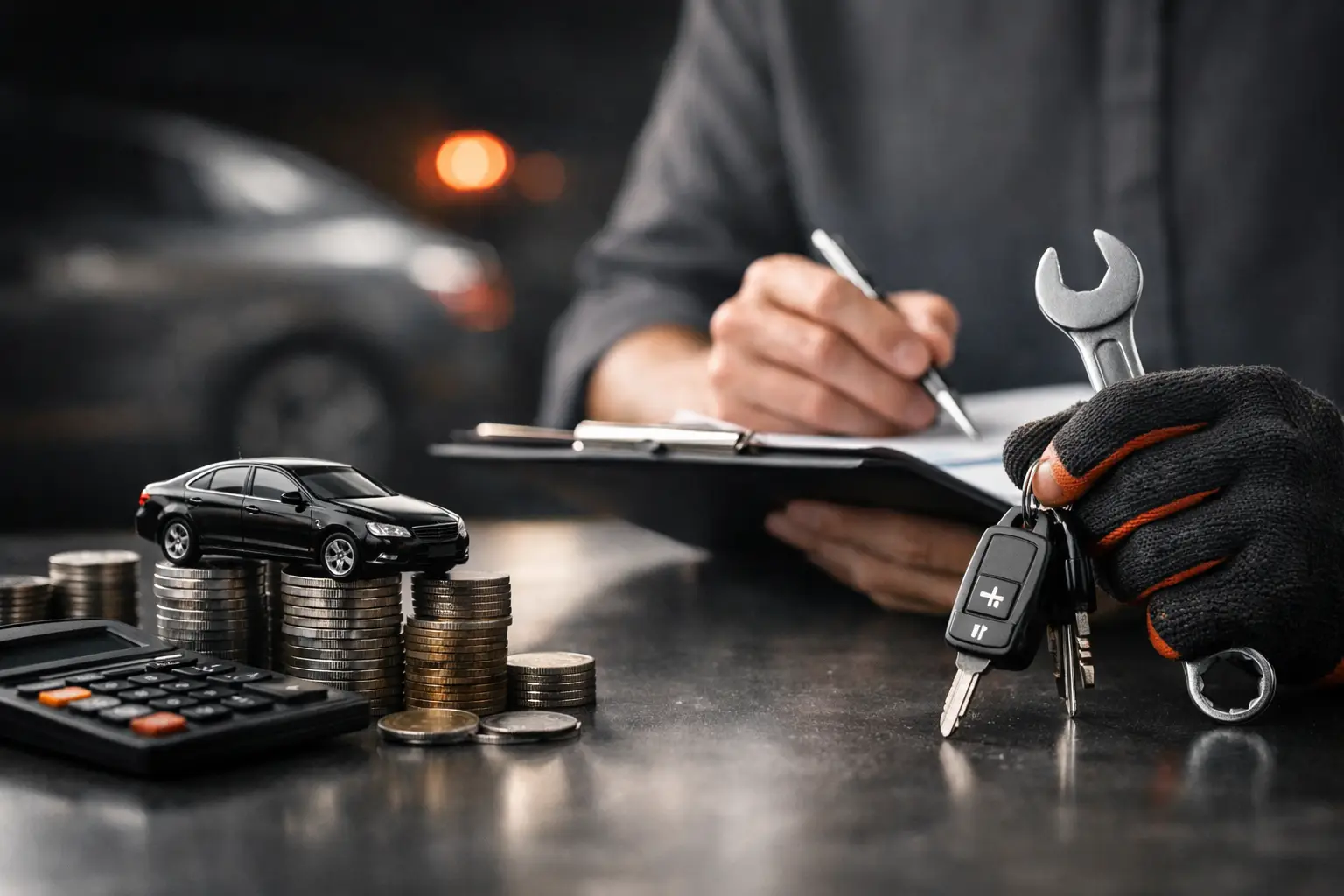
Fleet Management to Reduce Costs and Downtime
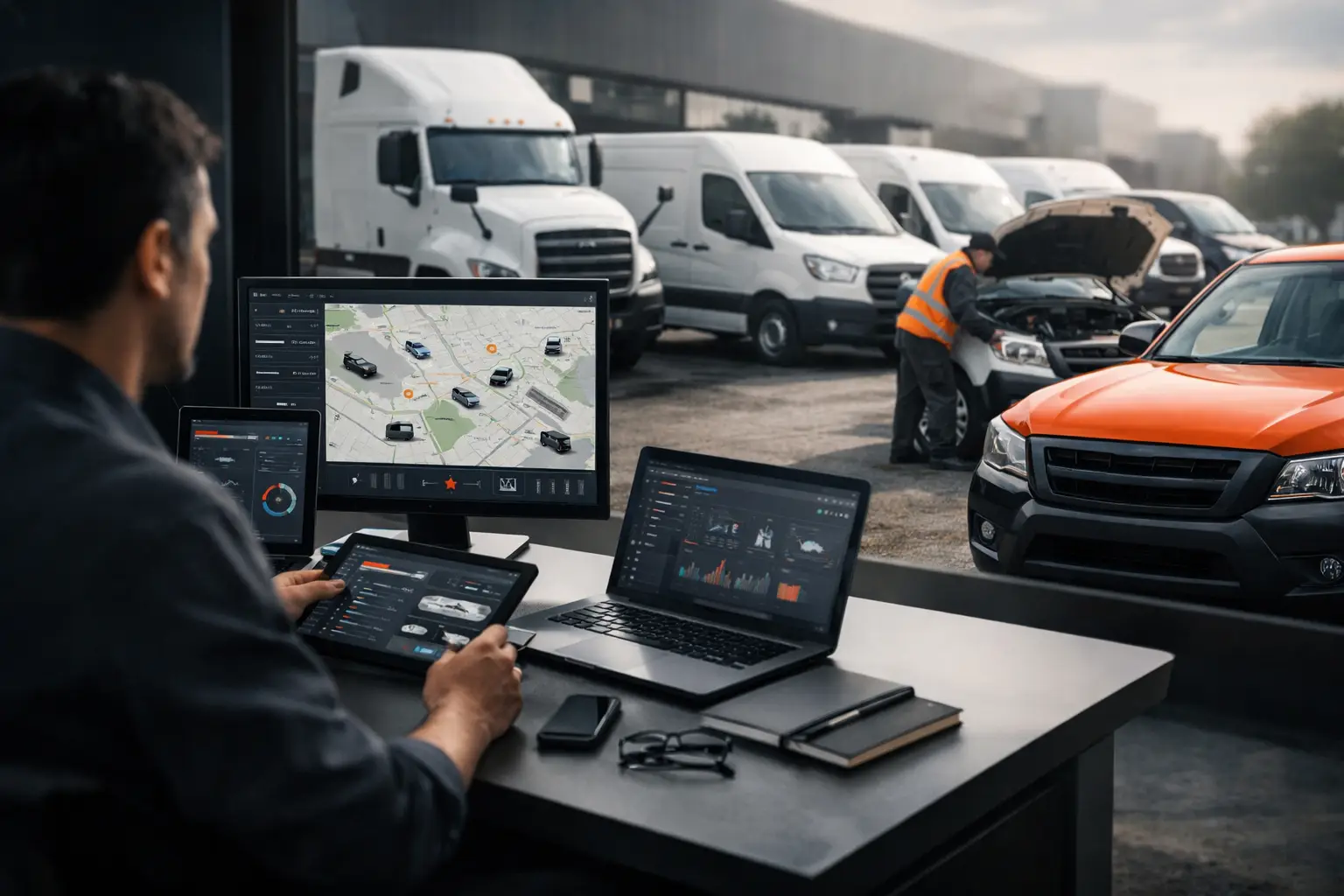
A van sitting idle waiting for maintenance costs more than just the repair bill. It means delayed deliveries, a driver without work, an unhappy customer, and a rushed decision. That's why fleet management needs to go beyond knowing where each vehicle is: it must show what each vehicle costs, what needs to be done, and where there's a risk of downtime.
For a small business, a freelancer, or a family with more than one vehicle, the challenge usually starts simply. Receipts end up in the glove compartment, fill-ups are noted from memory, and the next oil change depends on someone remembering. Over time, these small gaps turn into unexpected expenses and lost control.
What fleet management actually controls
Fleet management is the organization of vehicles, drivers, maintenance, mileage and costs that make up your operation. It works whether you have two delivery bikes or service cars, vans, trucks, or a mixed fleet at a small company.
The goal isn't to create more paperwork. It's to turn scattered information into simple decisions: this car is due for service soon, that van is using too much fuel, and this vehicle is no longer profitable for that type of work.
Good fleet management brings each vehicle's complete history into one place. This includes basic data, documents, odometer readings, fill-ups, preventive and corrective services, tires, fines, insurance, recurring expenses and, when relevant, revenue generated. That way, you don't need to hunt through a drawer for receipts or ask each driver what happened last week.
Where costs usually slip away
Fuel is obvious because you see it every time the vehicle pulls into a station. Other costs tend to go unnoticed until they become a problem. One replaced part without a record, one postponed service, one irregularly worn tire seem like isolated events. When they repeat, they show an expensive pattern.
Tracking cost per vehicle prevents misleading comparisons. Two cars of the same model can have very different results: one spends more time in heavy traffic, another carries loads, a third is driven by several people. Comparing only the total spend explains nothing. History, mileage and usage type put every number in context.
If you work with deliveries, passenger transport, technical visits or field services, it also makes sense to track revenue. Cheap fuel doesn't make a vehicle profitable if it needs frequent repairs, sits idle, or covers many miles for little return. The useful equation is the one that relates income, expenses and distance covered.
Fuel needs to be analyzed, not just recorded
Recording every fill-up lets you track average consumption and cost per mile. If consumption suddenly gets worse, the cause could be incorrect tire pressure, an expired filter, a route change, excess load, or even a mechanical problem that hasn't triggered a dashboard warning yet.
There's no one ideal consumption rate. A delivery bike, a loaded van and a rideshare car have different routines. What matters most is spotting deviations from that specific vehicle's pattern. When data shows a steady increase, you have time to investigate before the expense becomes the norm.
Preventive maintenance protects your bottom line
Delaying an oil change by a few days can seem harmless. Repeatedly delaying services, fluids, belts, tires and inspections raises the odds of a much costlier corrective repair. And for work vehicles, the loss includes the days when you can't operate.
Preventive maintenance should account for both time and mileage. Some services depend more on time, like safety items and fluids; others vary mainly by use. An alert set for both criteria cuts the risk of missing a service because the vehicle ran less or more than expected.
How to set up a fleet management routine that actually works
The best process is one your team can actually keep up with. Starting with dozens of spreadsheets, required fields and complex reports can paralyze things. First, decide what information must be recorded every time something happens: mileage, fill-ups, maintenance, expenses and any relevant incidents.
Then create a short routine. A driver can log a fill-up on their phone right after getting the receipt. The person managing the fleet can review alerts and pending items once a week. By month's end, a quick look at costs and vehicle availability reveals most problems.
To get your operation in order, follow this sequence:
- Record each vehicle with plate, model, year, current mileage and the person responsible for it.
- Log the available history, even if it's incomplete. Starting with recent services makes a difference.
- Set reminders for services, oil changes, tires, documents, insurance and critical operational items.
- Standardize how you enter fill-ups, income and expenses, always linked to the correct vehicle.
- Review simple metrics: cost per mile, average consumption, maintenance spending, downtime days and net revenue when applicable.
Consistency matters more than getting it perfect from the start. If a receipt is missing, record an estimate and correct it later when you can. The bigger mistake is not tracking anything because the data feels incomplete.
Checklists prevent failures at the start of the day
Vehicles used by more than one person need clear communication. A driver might notice a dashboard light, low tire pressure or an odd noise and not tell anyone. On the next shift, the vehicle goes out again and a small problem becomes major downtime.
Daily or shift-based checklists work well when tailored to your fleet's reality. For a delivery van, checking tires, lights, fuel level, damage and documents makes sense. For a rideshare car, cleanliness, tire condition and dashboard alerts might be priority. For a vehicle used occasionally, a check before trips offers enough protection.
The point isn't to micromanage every detail about the driver. It's to create a clear record of the vehicle's condition and a quick way to report problems. When everyone knows what to check and where to log it, maintenance stops depending on missed messages.
Metrics that help you decide
A small fleet doesn't need a dashboard full of charts to be well managed. A few metrics answer the questions that really matter to your operation: which vehicle costs the most to run? Which is asking for above-normal maintenance? Which driver or route shows unusual consumption? How much does one vehicle's downtime hurt revenue?
Cost per mile is especially useful because it lets you compare vehicles with different usage levels. To calculate it, add fuel, maintenance, operating expenses and other costs defined by your business for a given period. Then divide by the miles driven. The result won't solve everything on its own, but it helps you spot trends and decide where to investigate.
Also track availability. A vehicle that seems cheap but spends several days in the shop may cost more than one with regular preventive maintenance. For people who depend on a car, bike or van to earn money, availability directly affects profitability.
Technology centralizes management without overcomplicating it
Spreadsheets might work at first, but they tend to fail when you have several vehicles, drivers and daily entries. Duplicate versions, inconsistently filled fields and receipts outside the archive weaken your confidence in the numbers. A centralized app makes it easier to record information as it happens and keeps history accessible to whoever needs it.
With a platform like Mine Garage, you can organize maintenance, fill-ups, expenses, revenue, reminders, checklists and vehicle sharing in one place. For an owner, it means knowing what the vehicle really costs. For a small fleet, it means tracking your operation without relying on memory, paper or a different conversation each shift.
Still, technology doesn't replace routine. A system only shows good data when fill-ups, services and mileage are logged regularly. The advantage is making that task faster, more visible and easier to follow.
Start with the vehicle that runs the most or gives you the most worry. Log the next fill-up, check when the last service was due and schedule the next reminder. In no time, fleet management stops being a piling task and becomes a habit that protects your vehicle, your time and your money.