Best Features for Delivery Drivers

Every delivery comes with a cost. Fuel spent in traffic, oil that expires sooner than expected, tires losing pressure, and deferred maintenance can eat into your daily earnings without you even noticing. That's why the best features for delivery drivers aren't just the ones that help you accept more orders: they're the ones that help you understand how much you actually keep after every mile you drive.
For those working in deliveries, your vehicle is a work tool and a source of income. Caring for it shouldn't depend on memory, loose notes, or receipts buried in the glove compartment. Simple, regular tracking helps you avoid unexpected breakdowns, organize expenses, and make decisions based on what's actually happening during each shift.
The best features for delivery drivers
The best set of features is one that fits your routine without creating extra work. Recording a fill-up, an oil change, or today's earnings should take just a few seconds. After that, this information should paint a clear picture of your operation: how much your vehicle consumes, which expenses are growing, and whether the work is delivering enough margin.
Fuel tracking by fill-up
Fuel is usually one of the biggest expenses for delivery drivers. Recording each fill-up with price, liters, mileage, and fuel type lets you track average consumption with much greater accuracy.
This history shows changes you'd miss in the daily rush. If consumption jumps from one week to the next, there could be simple reasons: more traffic, heavier loads, or constant air conditioning use. But it could also signal underinflated tires, a compromised air filter, worn spark plugs, or another issue worth investigating.
The most useful number isn't just what you paid at the pump. It's the cost per mile. That helps you compare days, delivery regions, and busy periods without relying on paper receipts.
Recording earnings, fees, and expenses
Looking only at what the delivery app paid you can create a false sense of profit. To know your real result, you need to track fees, parking, tolls, car washes, insurance, food during your route, and small repairs too.
Separating earnings and expenses by vehicle matters even more if you alternate between a motorcycle, car, or van. That makes it easier to see which vehicle delivers the best return for each type of work. A motorcycle might cost less to fuel in city driving, while a van might pay off on routes with larger volumes. It depends on the operation, the load, and the distance covered.
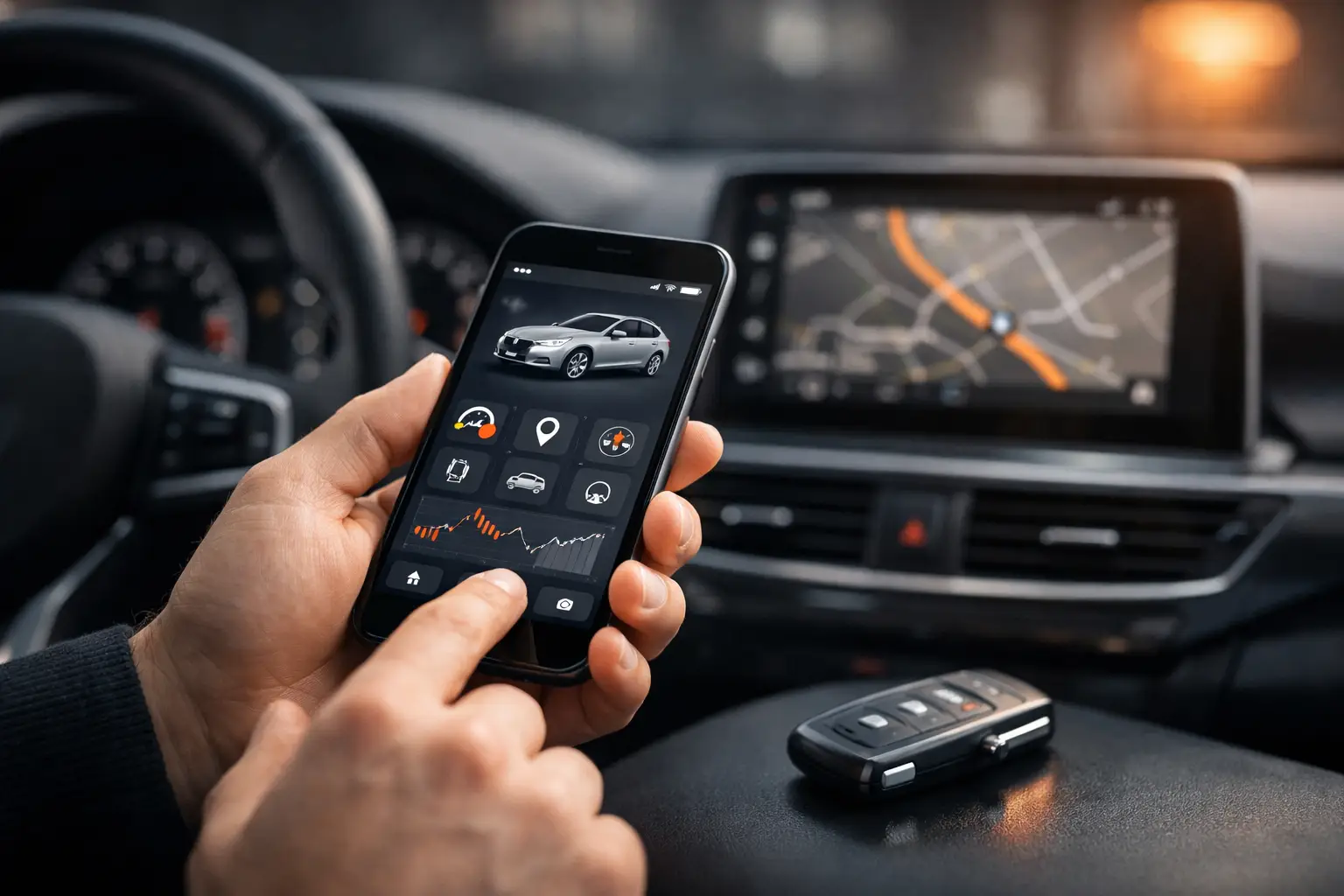
A vehicle management app like Mine Garage brings all these records into one place and makes it easy to see your costs and profitability. Instead of hunting for receipts at month's end, you track the operation as it happens.
Maintenance reminders based on time and mileage
A mechanical failure in the middle of your shift costs way more than the repair. It means lost orders, delays, towing, and days without income. Maintenance reminders keep essential items from getting pushed back.
Oil changes, filters, brake pads, tires, motorcycle sprockets, belts, and inspections all have different schedules. Some depend more on mileage; others depend on time. If you're on the road every day, you rack up miles fast and can't use the same timeline as someone whose vehicle sits idle all week.
The best approach is to record what was done, when, what the mileage was, and when it's due next. That way you know what's current and what needs to fit into your budget planning. Preventive maintenance costs money, but emergency repairs done in a rush almost always cost more.
Complete vehicle history
Knowing a repair was done is useful. Knowing when it was done, what it cost, which part was used, and what the mileage was makes the record truly valuable. A complete history eliminates recurring questions like when you last changed the oil or when a new battery's warranty expires.
This archive also helps diagnose repeated expenses. If the same component needs attention several times, the problem might not be the part itself. There could be an underlying cause worth checking at a trusted shop.
For drivers planning to sell or trade in their vehicle, having services organized improves transparency in the deal. For those working daily, the immediate benefit is even greater: less time trying to remember, more control over what needs to be done.
Checklists before heading out on deliveries
A few minutes of checking at the start of your shift reduces risks that could derail your day. For motorcycles, check tires, brakes, lights, chain or belt, oil, and documents. For cars and vans, add fluid levels, spare tire, wipers, doors, and safety gear.
The checklist doesn't need to be complicated. It should reflect your vehicle and work routine. If you're delivering food, you might need to verify your cargo area is clean. If you work nights, pay extra attention to headlights, taillights, and battery condition.
By recording these checks, you create a pattern. That makes it easier to notice if a tire keeps losing pressure or if a light failed before it becomes a problem during an inspection or on a dark route.
Diagnostics and paying attention to dashboard alerts
Dashboard lights shouldn't be ignored, especially in a vehicle that generates income. OBD2 diagnostic tools can help you identify fault codes and record issues, giving you more context before you seek mechanical service.
This doesn't replace a repair shop or turn you into a mechanic. It helps you act with better information. A code recorded alongside mileage and the symptoms you noticed makes your conversation with the professional more focused and can prevent expensive repair attempts.
There's a difference between monitoring an alert and driving recklessly anyway. Oil pressure light, high temperature, brake warning, or critical failures need immediate stopping and quick assessment. Losing a few deliveries is bad; destroying your engine or compromising safety is far worse.
How to choose features that work with your routine
Before adding another app to your phone, think about what affects your bottom line most. If fuel is your biggest burden, start with recording fill-ups and mileage. If expenses appear out of nowhere at month's end, track earnings, fees, and services. If breakdowns have cost you work before, prioritize reminders and checklists.
For most delivery drivers, four pieces of information make a difference from the first month: mileage, fuel, maintenance, and earnings. With these organized, it's easier to calculate cost per mile, predict when service is due, and spot whether your income is keeping pace with wear and tear on your vehicle.
Avoid systems that require filling out too many screens or spread information across multiple places. The best feature is one you can actually use at the gas station, the repair shop, or at the end of your shift. Consistency beats perfect tracking that you abandon after a week.
For those working with multiple vehicles or a team
Smaller operations face another challenge: knowing who used each vehicle and what was done to it. Sharing and per-vehicle management features help you centralize records without mixing expenses, maintenance, and mileage.
A van sitting idle can disrupt multiple deliveries. That's why the person running the operation needs to see pending service, recent costs, and completed checklists before a problem becomes a breakdown. Even a small fleet benefits from an organized routine, with each driver recording the basics at the right time.
The goal isn't micromanaging every detail for bureaucracy's sake. It's avoiding surprises and protecting your work continuity. When data is organized, it's much simpler to plan a tire change, set aside money for an inspection, and decide when a vehicle is becoming too expensive to keep running.
At the end of each shift, take a few minutes to record what came in, what went out, and how your vehicle performed. This small habit turns scattered expenses into useful information and helps you work with more certainty on the next mile.