Pre-trip inspection guide in 10 minutes
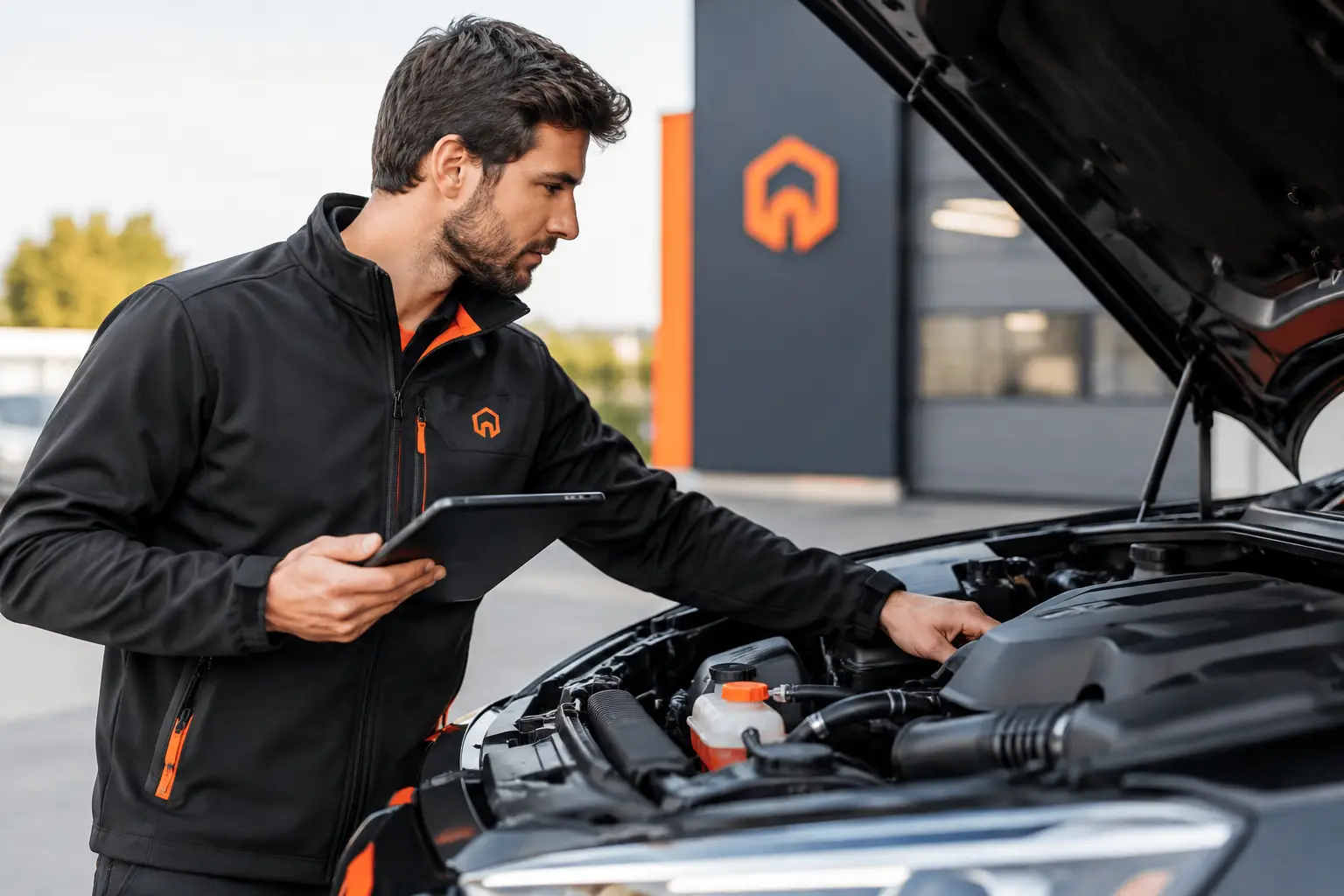
A visibly flat tire, an ignored warning light, or a broken headlight seem like small details until they delay a delivery, a family trip, or an entire workday. A good pre-trip inspection guide turns that uncertainty into a quick routine: you check the right items before leaving and note what needs attention.
The goal isn't to find problems that don't exist or replace professional maintenance. It's to catch changes before they become surprises. For occasional drivers, this brings peace of mind. For app-based drivers, delivery personnel, and small fleets, it helps avoid unplanned stops and keeps operations moving.
Why inspect before you leave?
Most problems send warning signs before they cause major failure. A puddle under the vehicle, a new vibration while driving, a dashboard alert, or uneven tire wear can all signal that something needs evaluation. Checking these signs before your trip is easier than dealing with them far from home, on a tight schedule, or with a loaded vehicle.
How often depends on use. For a car driven only on weekends, a thorough check before hitting the road, plus manufacturer-recommended checks, usually works fine. For a delivery van, an app-based car, or a motorcycle used daily, a visual inspection makes more sense. Your route matters too: heavy rain, rough roads, long distances, and heavy loads all demand extra attention.
The goal is to leave knowing three things: whether the vehicle seems safe to drive, if there's anything you need to schedule later, and if something needs immediate evaluation.
Pre-trip inspection guide: start on the outside
Do your inspection with the vehicle parked on level ground, well-lit and safe. No need to remove anything. A walk around the vehicle reveals more than most people expect.
Tires, wheels, and spare
Look at all four tires and, if applicable, the spare. Watch for cuts, bulges, cracks, debris lodged in the tread, and uneven wear. Check whether the pressure looks low, but don't rely on sight alone: correct pressure should follow the vehicle placard or manual, accounting for load and usage conditions.
On motorcycles, tire inspection deserves extra care since ground contact is limited. On cars, vans, and trucks, don't miss the tire sidewalls, which can get damaged by curbs, potholes, or obstacles. If you see visible damage, recurring pressure loss, or wear approaching the limit, don't put it off.
Lights, windows, and visibility
Check headlights, taillights, brake lights, turn signals, and license plate light. If you're alone, use a storefront window or wall to see the rear lights. For work vehicles, add this check to your shift start routine, since a burned-out bulb can go unnoticed for days.
Look at the windshield, mirrors, and wipers. Heavy dirt on the windshield, dried-out wipers, or an empty washer fluid reservoir hurt visibility exactly when you need it most. A small crack deserves note too, especially if it's in your sightline or growing over time.
Leaks and visible damage
Before getting in, check the ground under and around the engine. A fresh stain might just be air-conditioner condensation, but it could also mean a fluid leak. The type of liquid, its smell, and the amount all matter. If you notice a strong fuel smell, smoke, steam, or significant leakage, the safe choice is to skip the trip and get a professional inspection.
Also check for loose bumpers, loose license plates, doors that don't close properly, or damage that might get worse during your trip. Managers of small fleets should ask each driver to record findings with a date and photo. This makes sure no existing problem goes unchecked.
Inside the vehicle: dashboard, controls, and essentials
When you start the engine, watch the dashboard. Warning lights normally come on for a few seconds then go out. A light that stays on, flashes, or appears with power loss, unusual noise, or overheating deserves attention. Don't just clear a warning from memory: note when it appeared, under what conditions, and whether the vehicle's behavior changed.
Check your fuel level or charge for your planned route. In electric and hybrid vehicles, consider not just battery percentage but also your route, weather, load, and charging availability along the way. Estimated range is a reference, not a guarantee.
Quickly test the horn, wipers, ventilation, and air conditioning if you'll need them today. Adjust your seat, mirrors, and steering wheel before leaving. It sounds basic, but starting a shift or trip without proper driving position increases fatigue and reduces visibility.
Also confirm that required documents and items demanded in your area are in order. Rules vary by country and region. In Brazil, for example, registration and circulation requirements follow specific rules, so track what applies to your vehicle without assuming other countries follow the same rules.
Separate observation from urgency
An efficient inspection doesn't create panic. It helps you prioritize. Wipers starting to lose effectiveness can become a scheduled maintenance task. A bulging tire, fuel smell, overheating, brake failure, or a critical dashboard light are situations that call for caution and professional evaluation before you drive further.
Context matters. A slight vibration at a certain speed should be noted and investigated. If it suddenly got intense, comes with a metallic noise, or affects how the vehicle handles, that changes things. The simple rule is this: anything affecting control, braking, steering, visibility, or fire risk shouldn't wait.
Don't try to fix safety systems yourself during a quick stop. The inspection's job is to identify the problem, not improvise a solution. Recording symptoms clearly helps a lot when a professional diagnoses it later.
Turn your checklist into a useful history
A mental checklist fails when routines get busy. The best process is one that fits your day. You can use a short phone checklist with fields like tires, lights, dashboard, leaks, fuel or charge, and notes. For work vehicle use, add starting mileage, cleanliness, external damage, and job-specific items.
Recording only what changed is enough to start. For example: "warning light appeared on startup", "right rear tire lost pressure", or "wiper left a streak". Over time, this history shows patterns, makes service planning easier, and creates a reliable record if the vehicle is shared.
In Mine Garage, checklists, reminders, and service history can live in the same place as fuel fill-ups, charges, expenses, and mileage. This is especially useful when an inspection finding becomes maintenance: you stop relying on memory and start tracking the cost, date, and service results.
Different routines for different drivers
For a private driver, the inspection can be more thorough before a long trip and simpler for daily use. The focus is usually tires, lights, visible fluids, fuel or charge, and documents. If the car sits for many days, pay extra attention to the battery, tire pressure, and leaks.
For someone making income from a car, motorcycle, or van, inspection is part of the job. One small problem can mean lost rides, canceled deliveries, and extra costs. In that case, do a check at the start and end of your shift, noting mileage and any issues. This makes it easier to tell normal wear from a recurring problem.
With small fleets, the challenge is consistency. A detailed checklist doesn't work if every driver fills it out differently or postpones it. A short checklist, used at the same time every day, tends to work better. Managers get visibility, and drivers know exactly what to watch before taking the vehicle.
Pre-trip inspection doesn't take half an hour or turn you into a mechanic. Spend a few minutes, watch your vehicle closely, and note what's changed. This simple habit helps you leave prepared, care for your vehicle better, and stops a forgotten detail from picking the worst time to appear.