Daily Work Vehicle Checklist: 12 Essential Items
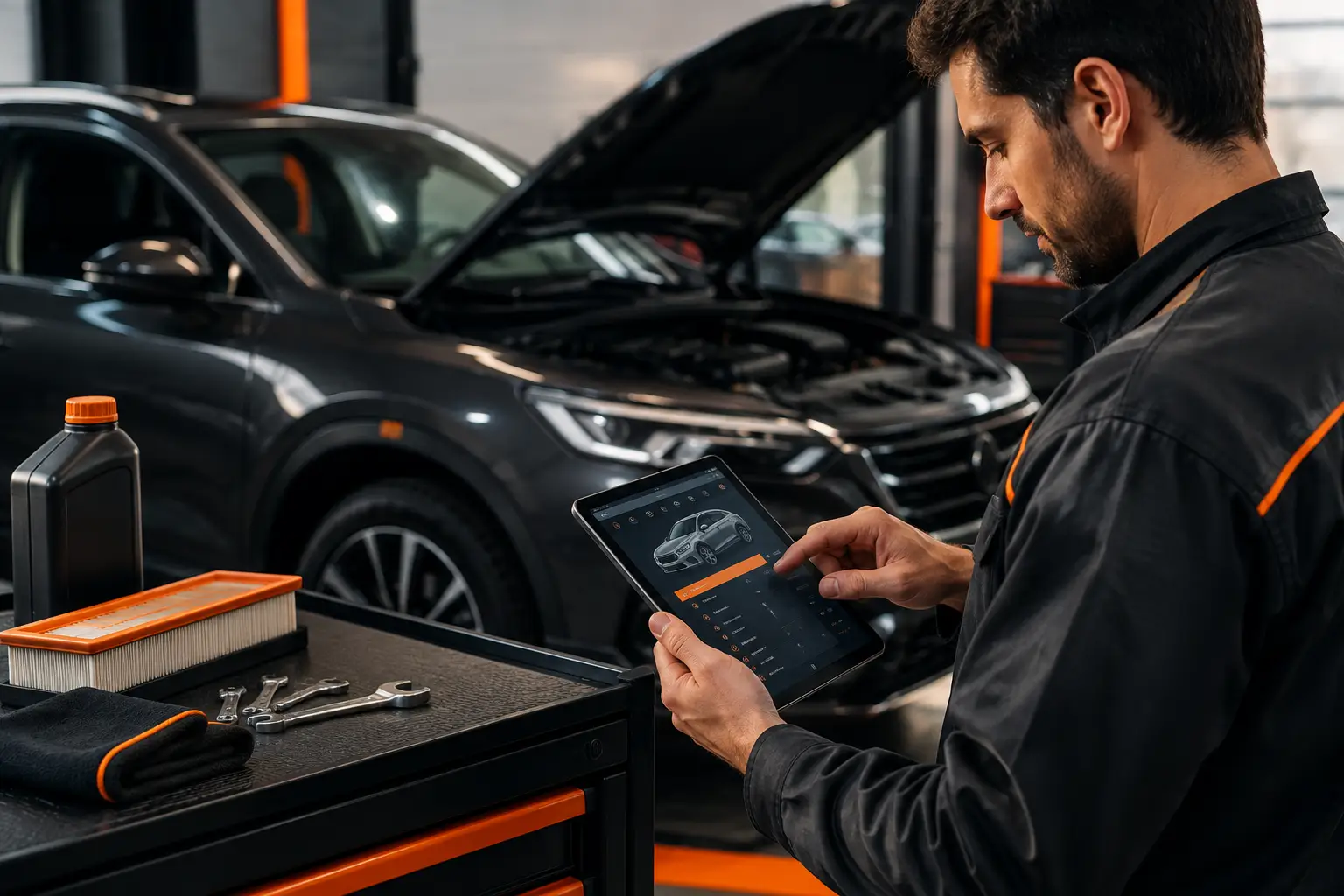
A warning light on the dashboard, a tire with low pressure, or a small leak might seem like minor details at the start of the day. But if you work with your vehicle, those details can turn into delays, canceled trips, lost deliveries, and more expensive repairs. A daily work vehicle checklist transforms a quick inspection into a routine that protects your availability, safety, and income.
The idea isn't to do a full inspection every morning. It's to check what might prevent your vehicle from running well that day and record any changes before they're forgotten. With just a few minutes and a simple system, professional drivers, field teams, and small fleets gain better control over their operations.
Why daily checks are worth your time
A personal vehicle can sit idle until your next service appointment. But a delivery van, a rideshare car, a delivery motorcycle, or a service truck usually has a direct function in your business. When it stops, your work stops too.
Daily checks help you catch early warning signs like unusual noises, visible tire wear, low fluid levels, and dashboard warnings. They also create a useful history. If the same alert appears three days in a row, for example, it stops being just your impression and becomes concrete information for deciding what to do.
There's also a financial benefit. Driving on under-inflated tires increases fuel consumption and accelerates wear. Delaying a wiper blade replacement can harm visibility in heavy rain. Ignoring a check engine light can lead to a more complex diagnosis later. Not every problem requires the vehicle to stop immediately, but every problem deserves to be recorded and monitored.
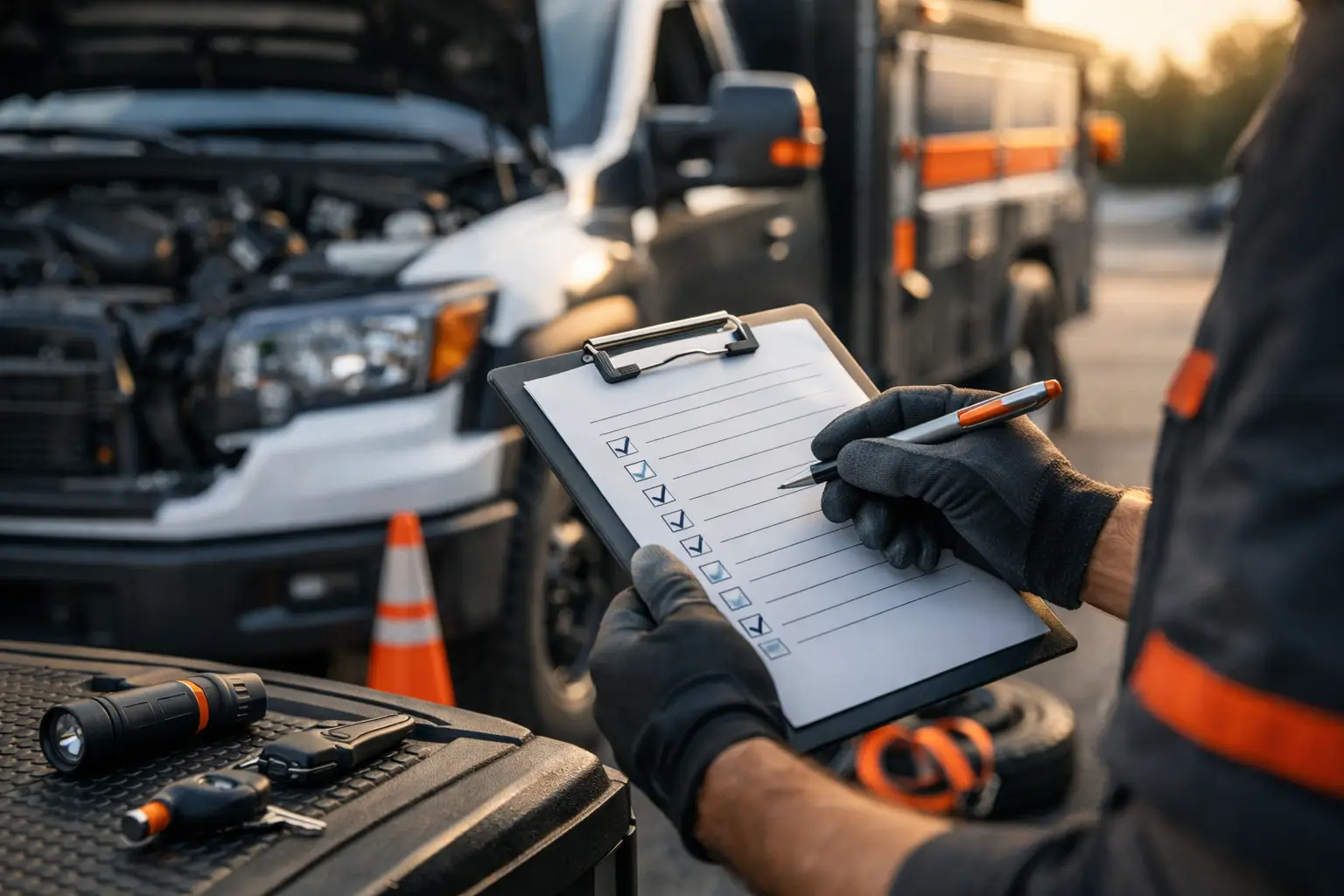
Daily work vehicle checklist: 12 essential items
The best checklist is one that fits into your routine. For most work vehicles, this inspection takes five to ten minutes, with the vehicle parked in a safe location and, when necessary, with the engine cold.
- Observe the vehicle from the outside. Look for leaks on the ground, new body damage, cracked windows, loose bumpers, and doors or panels that don't close properly. For cargo vehicles, also check that the cargo compartment is properly secured.
- Check the tires. Look for flat tires, cuts, bulges, stuck objects, and excessive wear. Pressure should follow the manufacturer's recommendation and match your load condition. An empty van and a loaded van may require different pressures.
- Test lights and signals. Headlights, taillights, brake lights, turn signals, reverse lights, and license plate lighting must all work. If you drive at night or work on busy roads, this item goes from preventive to essential for your safety.
- Check basic fluid levels. Engine oil, coolant, brake fluid, and windshield washer fluid should all be at the recommended level. If oil or coolant drops frequently, don't just top it up and keep going: record it and investigate the cause.
- Look at the dashboard before you leave. When you start the vehicle, watch for warning lights, messages, and unusual indicators. Oil, temperature, brake, battery, or engine failure lights need immediate attention, depending on the warning and how the vehicle behaves.
- Evaluate the start and initial operation. Difficulty starting, rough idling, unusual smoke, or fuel smell are all worth recording. Don't wait for the vehicle to break down during your shift to try remembering when this started.
- Test brakes, steering, and clutch. In the first few meters, in a safe location, notice if the brake pedal feels different, if the car pulls to one side, if the steering vibrates, or if the clutch feels stiff. Any change from normal behavior should go into your history.
- Check wipers and windshield. Worn wiper blades, empty reservoirs, and dirty windshields reduce visibility right when you need it most. For motorcycle riders, the equivalent is checking your visor, helmet visibility, and rain gear condition when bad weather is forecast.
- Confirm fuel or battery charge available. Don't just eyeball the tank. Compare your vehicle's range with your route, refueling options, and the type of service planned for the day. For electric vehicles, check your charge, your route, and whether you can recharge during your shift.
- Check documents and required items. Keep necessary paperwork, warning triangle, wheel wrench, spare tire, or repair kit accessible and in working condition. For passenger transport or delivery operations, also check items specifically required by your company or service type.
- Inspect your work area. Organize your phone mount, chargers, payment device, cargo compartment, and safety equipment. A loose object on the floor can interfere with the pedals, and improperly secured cargo can damage your vehicle and your customer's property.
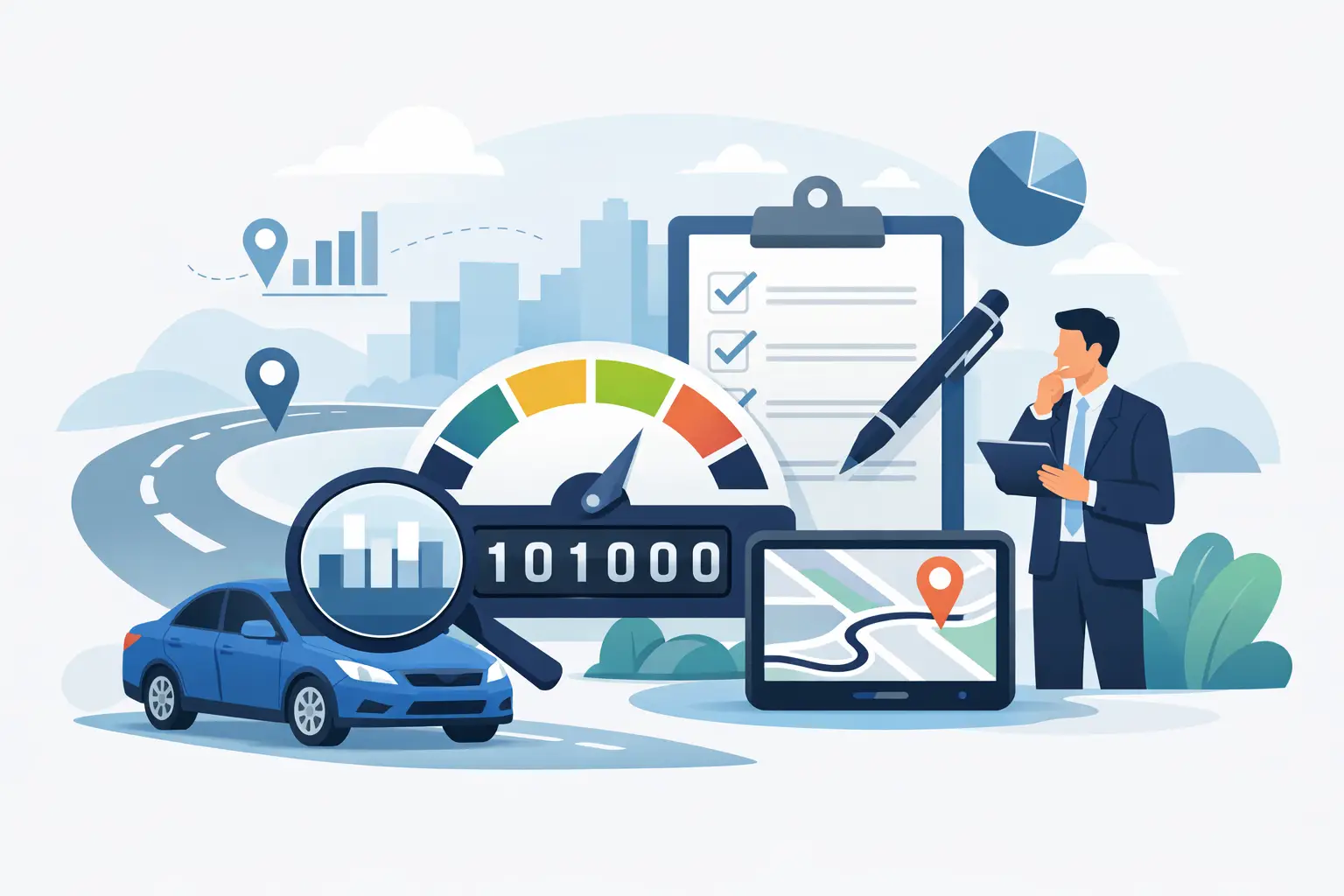
- Record odometer and any issues. Note your mileage, fuel level, and any observations from the inspection. This record is what connects your daily inspection to maintenance, costs, and understanding your vehicle's actual usage.
How to decide if the vehicle can operate
Not every observation requires calling a tow truck, but some signs shouldn't be ignored. Oil pressure light, overheating, severe brake failure, damaged tire, significant leaks, strong fuel smell, and smoke are examples of situations where you should stop and get professional help.
Other issues might allow operation with monitoring, depending on severity. A wiper blade starting to streak, a burned-out daytime bulb, or a new slight noise may not prevent you from leaving, but they should become a scheduled task. The practical rule is simple: if there's any risk of loss of control, fire, breakdown, or immediate fines, don't delay the decision.
For managers, it's worth setting clear standards for drivers. Your team needs to know what they can schedule for later repairs, what they must report immediately, and what prevents vehicle release. This prevents both negligence and unnecessary stoppages over minor issues.
Turn inspections into a record, not lost paperwork
A paper checklist might work the first day, but it tends to get lost, remain incomplete, or never reach whoever schedules maintenance. The real value appears when each check connects to the vehicle, the date, the mileage, and who performed the inspection.
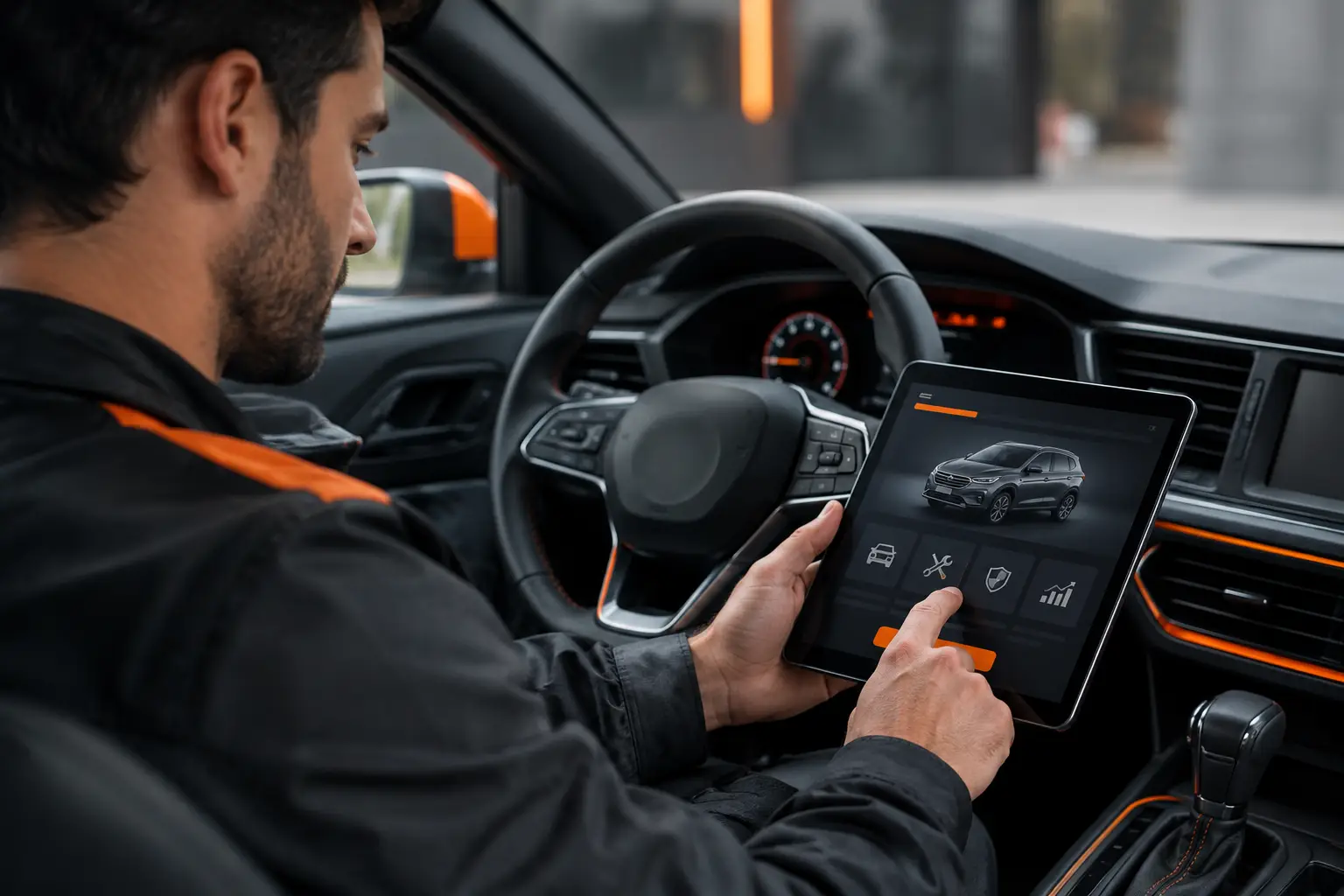
In Mine Garage, your checklist can be part of your vehicle's central record, alongside fuel fills, expenses, services, and reminders. That way, an alert you record today doesn't stay isolated in a message or someone's memory. It can guide maintenance, explain a cost increase, and reveal patterns that would be hard to spot day by day.
For a rideshare driver, for example, recording mileage, fuel, and a suspension noise helps you know when to schedule maintenance without losing control of your cost per trip. For a small fleet, the same process makes communication between drivers and your operations manager much easier. For someone who uses a car for both work and personal use, it keeps one reliable history of your vehicle.
Adjust the list to your operation type
The 12 items serve as a foundation, but your checklist should reflect how you use your vehicle. A delivery motorcycle needs more focus on tires, chain, brakes, lighting, and rider gear. A passenger transport vehicle needs extra attention to cleanliness, air-conditioning, seat belts, and interior comfort. A service van might need to include tools, ladders, safety equipment, and cargo securing methods.
It's also helpful to separate daily checks from weekly ones. You might observe tires every day but measure pressure with a gauge on a set schedule, especially before long trips or after major load changes. Fluid levels might need daily attention on high-mileage vehicles or those with a history of consumption, while a new vehicle with no issues can follow the manual's guidance.
The goal isn't to add bureaucracy. It's to create a routine that matches your risk level and usage volume. The more miles you drive and the more your income depends on your vehicle, the more sense a consistent process makes.
Make daily decisions easier
Daily checks work best when they happen at a fixed time: before starting the vehicle, at the beginning of your shift, or before loading cargo. Keep the process quick, use the same order every time, and record only what actually helps you act on it later.
Over time, you'll learn what's normal for your vehicle. This familiarity is a practical advantage: a different noise, an unexpected light, or a change in consumption won't slip by unnoticed. A few minutes before you leave can preserve hours of work and keep a small problem from taking over your day.