Vehicle Platform Evaluation for Drivers
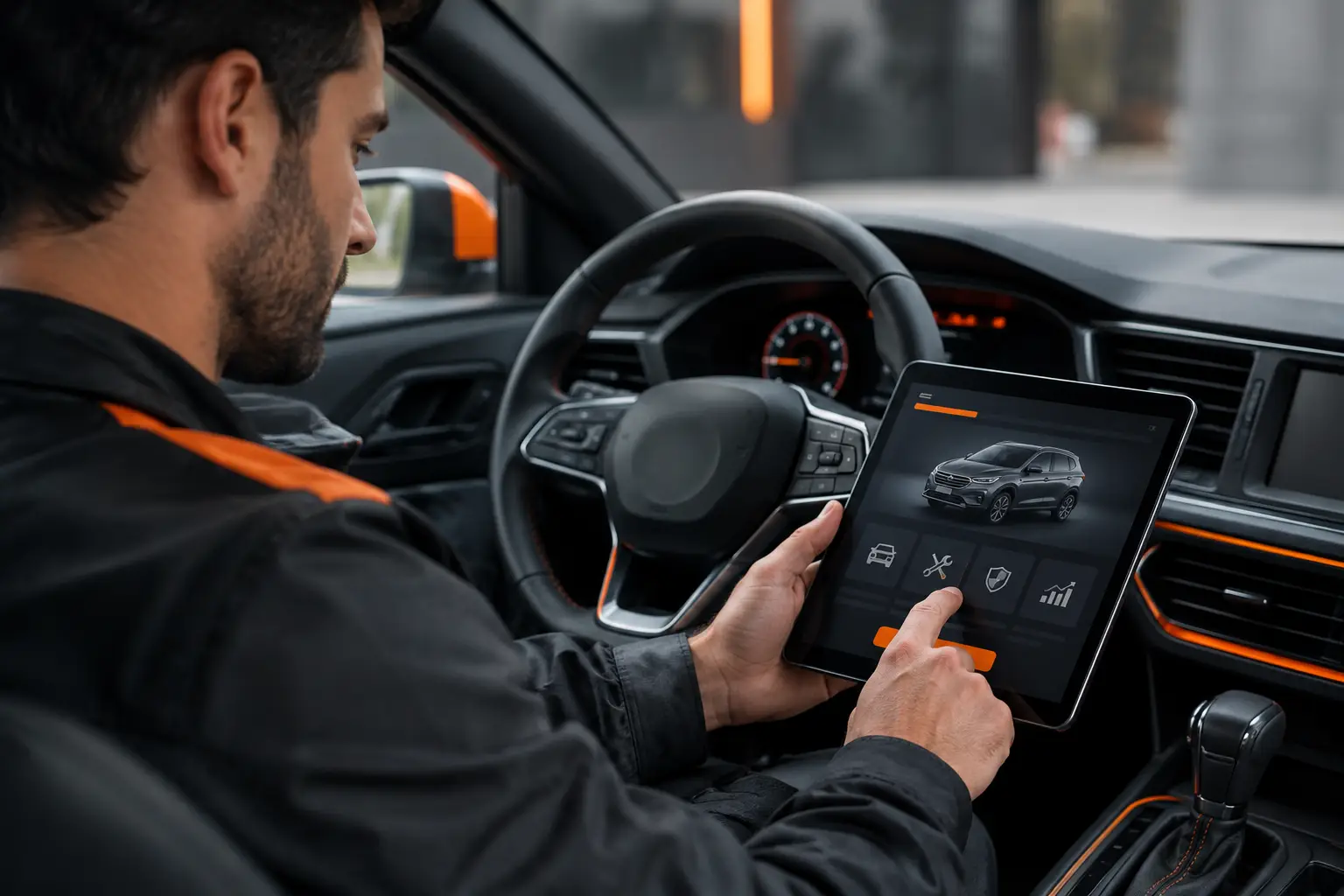
A good vehicle platform evaluation starts with a simple question: after a few months of use, will it help you make better decisions or just pile up records? Recording an oil change is useful. Knowing when to repeat the service, how much it costs relative to your vehicle's total expenses, and which costs are rising is what turns information into control.
For many drivers, car, motorcycle, van, or truck data ends up scattered across receipts, conversations, spreadsheets, and memory. The result is predictable: delayed maintenance, difficulty remembering your last fill-up, or the feeling that your vehicle costs more than it should without knowing exactly why. The right platform organizes this routine without creating extra work.
What to look for when evaluating a vehicle platform
No platform is ideal for everyone. An owner who drives on weekends has different needs than a rideshare driver on the road every day. A small company with multiple vehicles needs shared visibility, while an enthusiast might want to track more detailed maintenance and diagnostics data.
Still, an honest evaluation should go beyond a pretty interface or a reminder list. It's worth checking whether the app makes quick entries easy, maintains reliable history, and presents information that makes sense for your routine. If each entry requires many steps, you're likely to abandon tracking altogether. If the data isn't clear, the app becomes just a digital file.
Centralized information
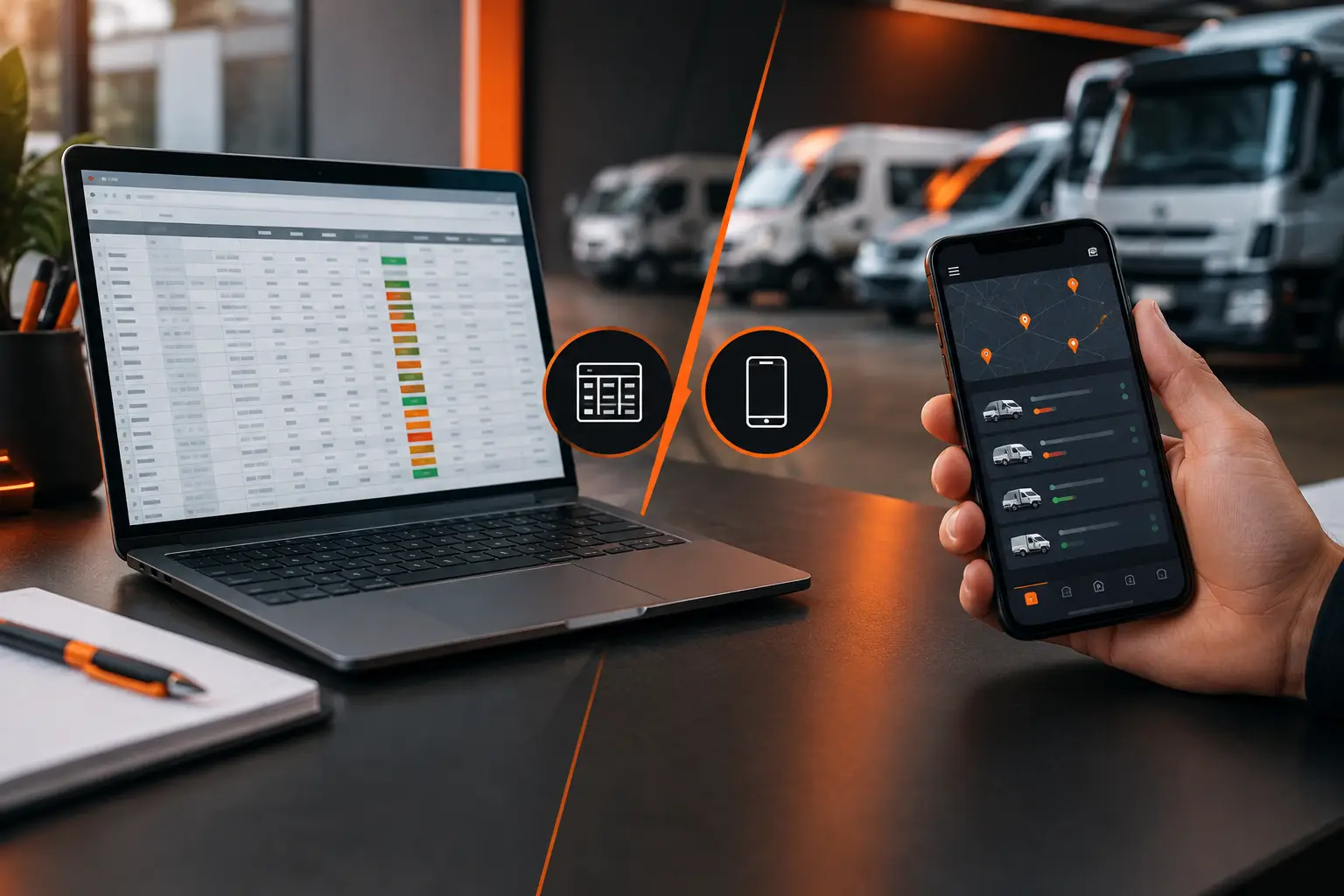
The first criterion is the ability to bring your vehicle's entire life into one place. A useful platform should let you record maintenance, fill-ups, expenses, mileage, and relevant documents or notes. When you need to check the history, everything should be linked to the correct vehicle and available on your phone and, when needed, on the web.
This centralized history helps in common situations. You can confirm when you changed the tires, compare fuel consumption before and after service, or understand why an expense went up in a particular month. It also creates a more complete record for tracking your vehicle over time.
Reminders that prevent delays
Reminders are a basic feature, but their quality makes a difference. A good platform lets you track services by date, mileage, or both. This matters because an oil change might be due by mileage, while other maintenance depends on time even on vehicles that don't get driven much.
Look for a solution that lets you adjust alerts to your vehicle's reality. A family car, a delivery bike, and a service van don't follow the same schedule. Flexible alerts help you act before a pending task becomes an unexpected breakdown or a bigger repair.
Cost control, not just expense tracking
Recording a cost is different from understanding your operating costs. A truly useful vehicle platform separates and organizes expenses like fuel, maintenance, insurance, taxes, parking, and other daily costs. Then it should help you spot trends by period and by vehicle.
For those who drive for work, this insight is even more essential. Money earned from rides, deliveries, or services doesn't show by itself whether the work is worth it. You need to compare income, fuel, maintenance, and mileage to understand real profitability. Without this tracking, it's easy to confuse cash movement with actual profit.
Fuel consumption also deserves attention. Consistent fill-up records let you spot changes in performance and compare gas stations, routes, or usage periods. A change might have simple causes, like heavy traffic or extra load, but it could also signal it's time to check your vehicle.
Resources that make sense for each type of driver
The best choice depends on how much control you need now and what you might need later. For personal use, the basics usually mean remembering services, keeping history, and tracking expenses without relying on paper. For professionals and small businesses, the focus expands to operating costs, income, sharing, and tracking multiple vehicles.
For owners and families
People caring for one or two vehicles usually want predictability. The app needs to simplify tasks: record a service, save the current mileage, and get a reminder before the next oil change. Having organized history also helps when different family members use the same vehicle and need to know what's already been done.
The caution is to avoid an overly complicated solution. Detailed reports can be useful, but they shouldn't hide basic actions. The best platform lets you start simple and go deeper when it makes sense.
For professional drivers
For rideshare drivers, delivery people, taxi drivers, and service providers, the vehicle is a work tool. Every mile affects fuel, wear, and maintenance. That's why it's worth prioritizing features that connect expenses, income, fill-ups, and mileage in an easy-to-read view.
It's also important that records can be made right after fill-ups or at the end of a shift. Putting off organizing everything until the end of the week increases forgotten entries and reduces data quality. A practical platform helps create a short routine that doesn't pull focus from work.
For small fleets
Small businesses don't need complicated operations to gain control. They need to know which vehicles are due for maintenance, which are racking up the most costs, and who has access to the information. Sharing features, checklists, and per-vehicle records reduce dependence on loose messages and outdated spreadsheets.
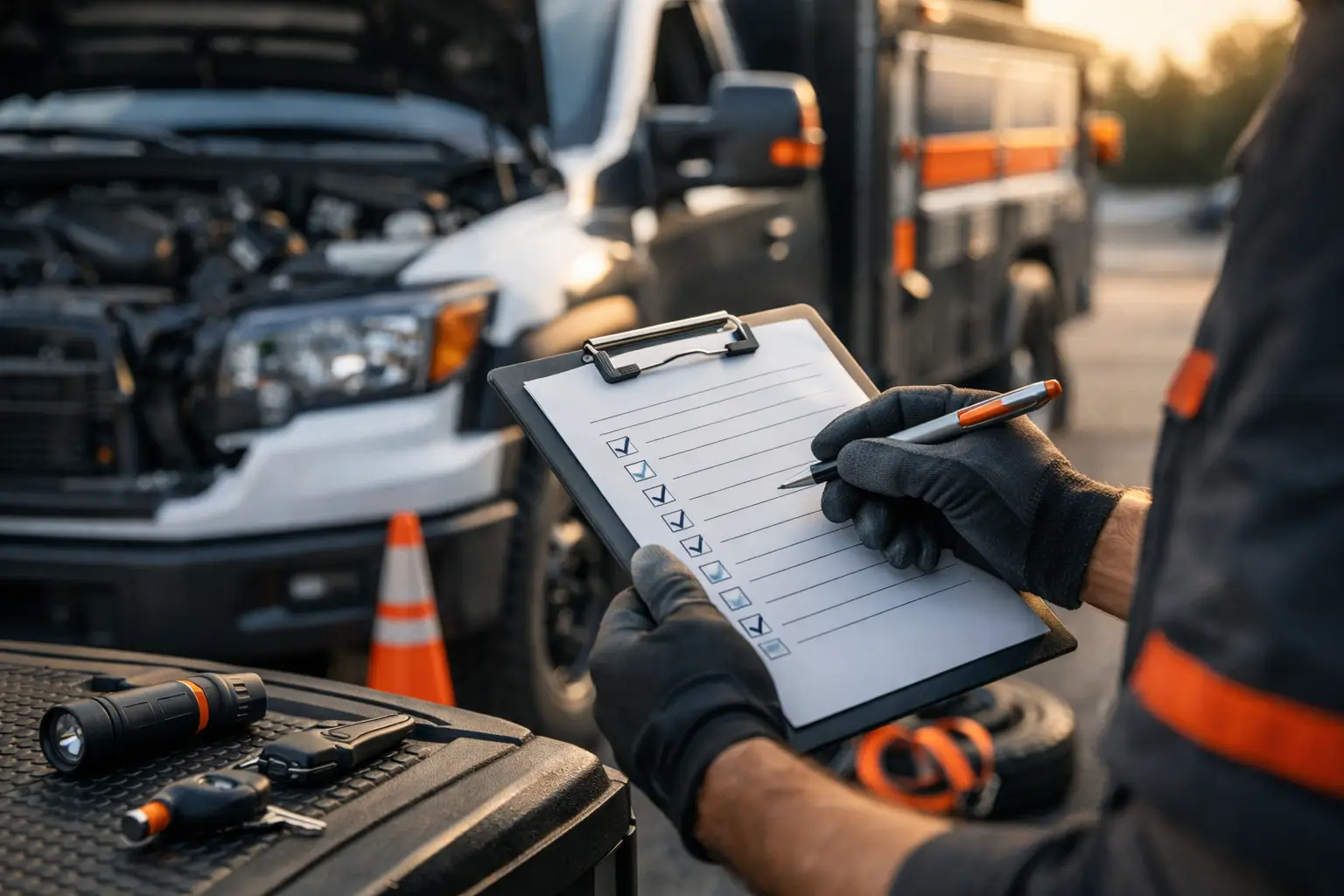
In this scenario, consistency matters more than the number of reports. A well-completed daily checklist can flag a problem before it affects a route. An accessible history helps plan stops and track the use of cars, bikes, vans, or trucks without losing information between drivers.
How to test a platform before committing
A vehicle platform evaluation becomes clearer when you simulate your actual routine. Register a vehicle, enter the current mileage, record a fill-up, and add a recent service. Then check whether you can quickly find this data and understand the next recommended step.
Also notice how the platform handles details. Can you categorize expenses? Can reminders be adjusted? Does the history show date, amount, mileage, and service performed? Is there room for notes that help you remember a part, a shop, or a symptom? Small features like these make a big difference after months of use.
Another important test is thinking about the long term. Vehicles stay with their owners for years, and routines change. You might start using the car for work, add a motorcycle to the garage, or need to share information with someone else. A platform like Mine Garage makes sense when it grows with you, bringing maintenance, costs, usage, and history into one place.
Useful data needs to become a habit
No app solves vehicle management by itself. It depends on consistent records, but the responsibility doesn't have to be heavy. The secret is to record when something happens: filled up, note it; did a service, save it; saw a dashboard light, record the observation and follow up with a diagnosis if needed.
Over time, this habit creates a view that memory can't provide. You stop just reacting when a problem shows up and start seeing patterns, planning expenses, and caring for your vehicle better. Start with your next fill-up or the last maintenance waiting to be recorded. One good data entry today can prevent an expensive decision tomorrow.