Assessing Vehicle Management in Practice
A tire replaced too early, a forgotten service appointment or several lost receipts might seem like isolated details. When they pile up, they hide a bigger question: do you know how much your vehicle costs and whether it's being managed well? Vehicle management assessment transforms scattered information into clearer decisions.
It's not just for companies with large fleets. Whether you drive a family car, a motorcycle for work, a delivery van or an electric vehicle daily, you need an organized view. The goal is simple: avoid surprises, track what's been done and understand the impact of each expense.
What is vehicle management assessment
Assessing vehicle management means checking whether your routine vehicle tracking is working. This includes maintenance, fuel or energy purchases, mileage, documents, expenses and, for professional use, revenue and profitability.
It's not about finding a perfect number on a single screen. It's about comparing what happened over time. A high repair shop bill might be justified if it prevented a major breakdown. Conversely, small recurring expenses that go unrecorded can signal overdue maintenance, a driving habit that increases consumption or simply a lack of control.
A good assessment answers practical questions: which vehicle needs more attention? How much does it cost per kilometer? Are services up to date? Has consumption changed? Does the vehicle still generate profit after fuel, energy, maintenance and other expenses?
Start with history, not memory
Memory tends to fail precisely on the most useful data. You might remember your last oil change but not the odometer reading that day, the amount paid or the additional service done during the same visit. Without this context, comparing costs and predicting the next maintenance becomes a guessing game.
The first step is gathering available history. Receipts, invoices, fuel logs, charging records, photos of documents and old spreadsheets all have value. You don't need to reconstruct years of use to start well. Properly recording the next events will already improve your analysis quality.
In a centralized system, each entry should be linked to the vehicle, date and mileage. This detail lets you spot patterns. For example, a tire change stops being just an expense when you can connect it to how long the previous set lasted, your driving type and the cost per kilometer driven.
If you have more than one vehicle, separating records is essential. Mixing a personal car's expenses with a work motorcycle or a company van distorts the assessment and makes it harder to identify problems.
Indicators that show your vehicle's real situation
You don't need to track dozens of metrics. A few indicators, consistently updated, already show whether management is under control. The most useful ones tend to be:
- preventive maintenance completed and upcoming tasks scheduled;
- total expenses by category, such as repairs, tires, fuel, charging and documents;
- fuel or energy consumption over time;
- cost per kilometer;
- distance traveled in each period;
- revenue, operating expenses and profit per vehicle for professional use.
Cost per kilometer is especially useful because it puts different expenses on the same comparison basis. A vehicle might seem economical for low fuel consumption, but if it requires frequent repairs, expensive tires or downtime for maintenance, the real operating cost could be higher than it appears.
Still, this metric needs context. A car driven only on weekends will have a different profile than a motorcycle running deliveries all day. Compare similar periods and consider route type, cargo carried, traffic and usage pattern before drawing conclusions.
For electric and hybrid vehicles, record charging at home, at public stations and during trips. This makes it easier to compare energy cost per distance and notice variations in range. Range can drop on short trips, with heavy air conditioning use or in certain temperatures. Not every change signals a fault, but a persistent trend deserves attention.
Preventive maintenance is part of financial analysis
Vehicle management assessment loses its strength when maintenance is treated separately from finances. Oil changes, filter replacements, fluid top-ups, tire changes and scheduled services are predictable expenses. When delayed without good reason, they can turn into unexpected downtime and bigger bills.
The ideal approach is creating a maintenance plan based on manufacturer recommendations and adjusted to your actual usage. A vehicle that runs heavily in traffic, carries cargo or faces poor road conditions may need more frequent attention than the standard interval suggests.
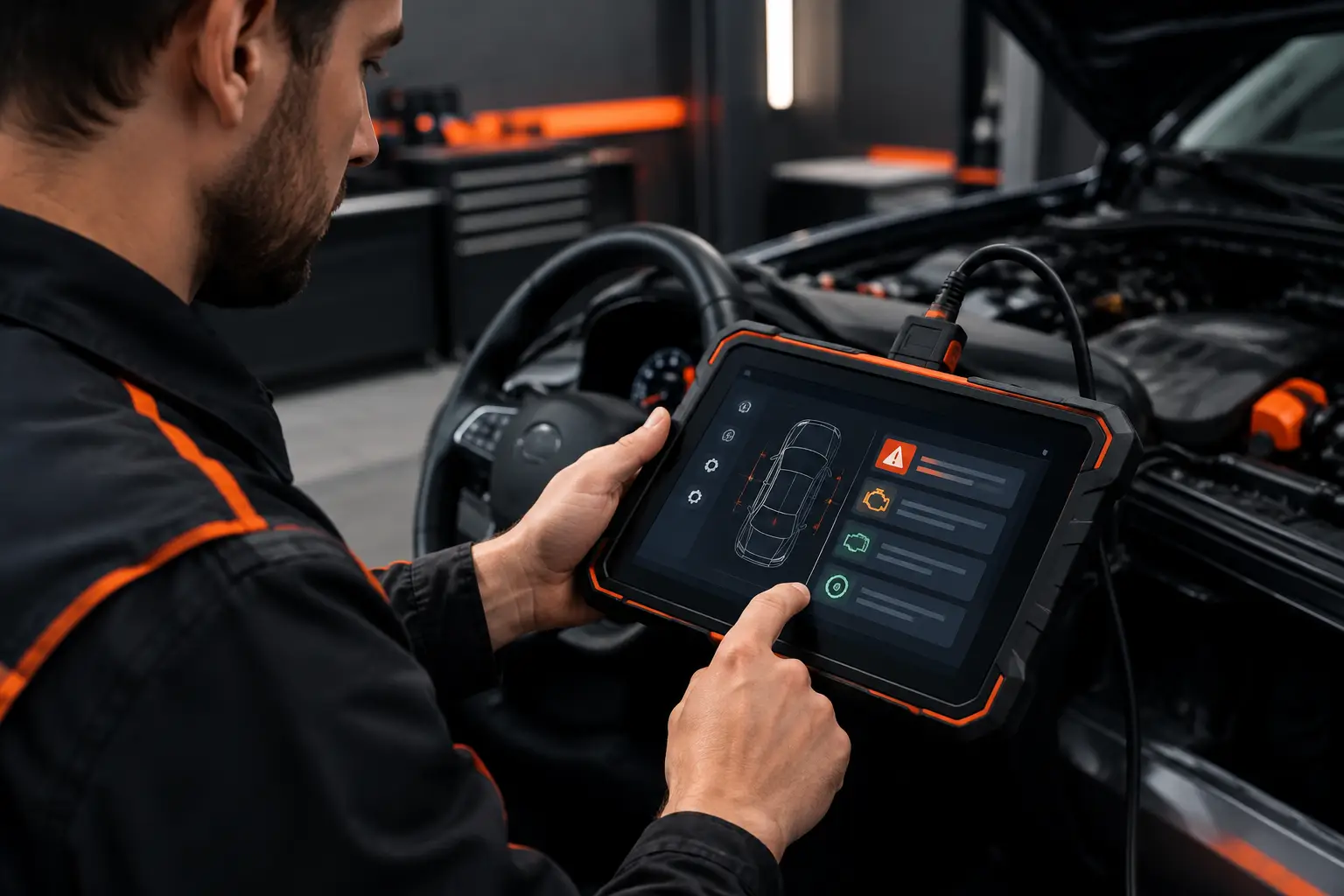
Reminders help, but only work if your starting data is correct. When recording maintenance, note the date, mileage, service performed and cost. If there's anything relevant to note, like a noise, uneven wear or a replaced part, keep it in the history. At your next assessment, these notes prevent decisions based on vague memories.
Also track documents with set expiration dates. In Brazil, items like vehicle registration and other requirements may vary by state and vehicle status. The point isn't to interpret rules, but to maintain a reminder and record of when documents expire so you don't depend on last-minute action.
How to assess personal-use, professional and shared vehicles
For a personal driver, predictability is usually the priority. Knowing when your next service is due, keeping documents organized and understanding your monthly consumption already reduces much of the anxiety of owning a car or motorcycle. A quick monthly assessment usually works, with a more thorough review each quarter.
For rideshare drivers, delivery couriers, taxi drivers and service providers, the same tracking needs to include revenue. Revenue isn't profit. Real results only appear after subtracting fuel or charging, maintenance, washing, parking, tolls and all recorded costs. Assessing by vehicle and by period helps identify days, routes or work types that seem profitable but have low margins.
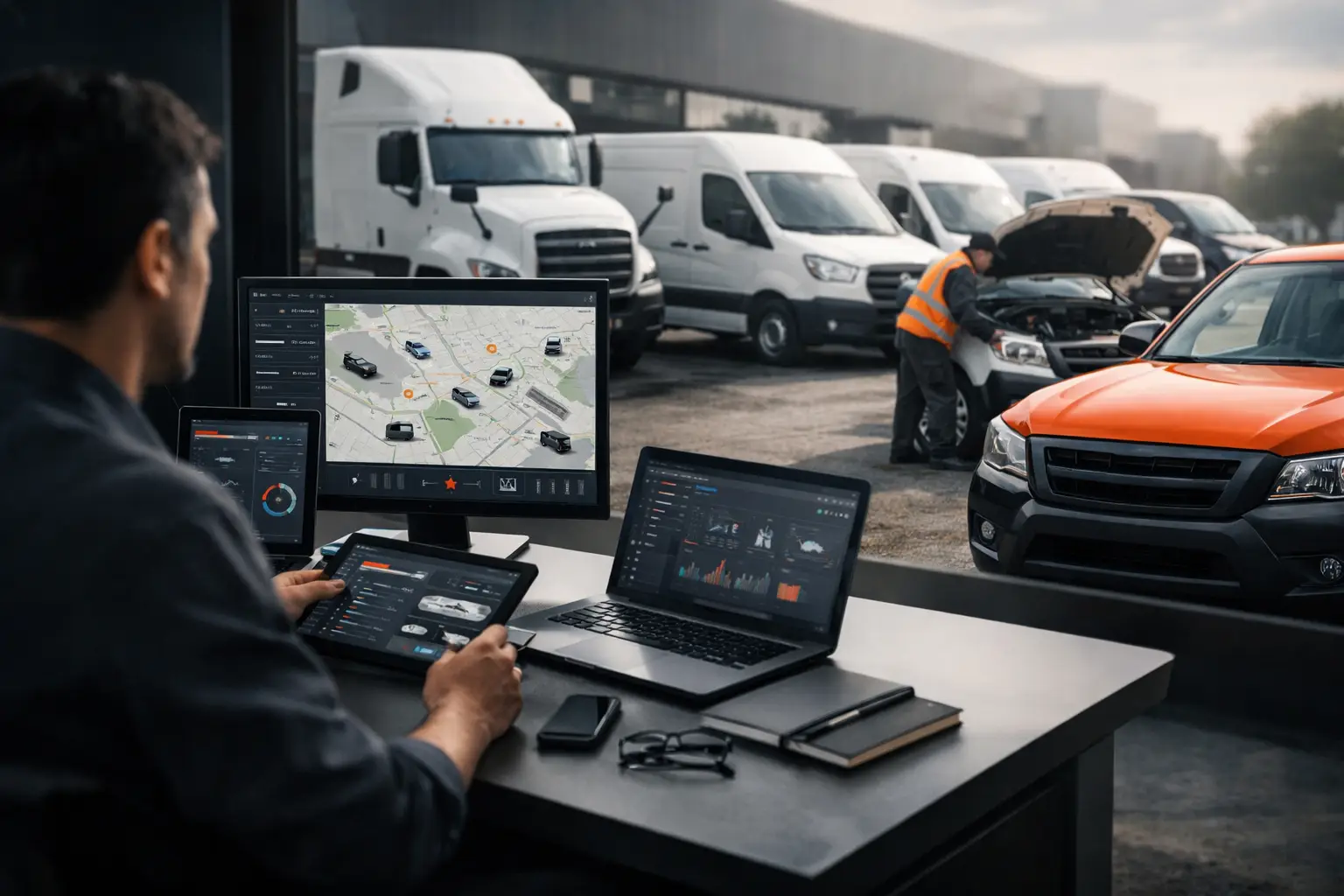
In small fleets, the challenge grows because more people are involved. A shared record prevents each driver from keeping information in separate conversations, papers or spreadsheets. Usage checklists, updated mileage and service history make it easier to track each vehicle without needing to ask about everything at month's end.
In this scenario, looking only at total spending isn't enough. A vehicle down for maintenance affects operations, even if the repair was cheap. Recording unavailability and incidents helps you choose the best time for preventive work and understand which vehicles need more attention.
Create a short, consistent routine
The best routine is one you can actually maintain. Record fuel purchases, charging and expenses as they happen. Update mileage regularly. When you leave the repair shop, add the service to your history before the receipt disappears into a drawer or your phone.
Then, spend a few minutes at month's end to review the numbers. Check if consumption increased, if any maintenance is coming up and which categories weighed most on your budget. If you use the vehicle for work, compare the period's revenue and costs, without mixing personal expenses.
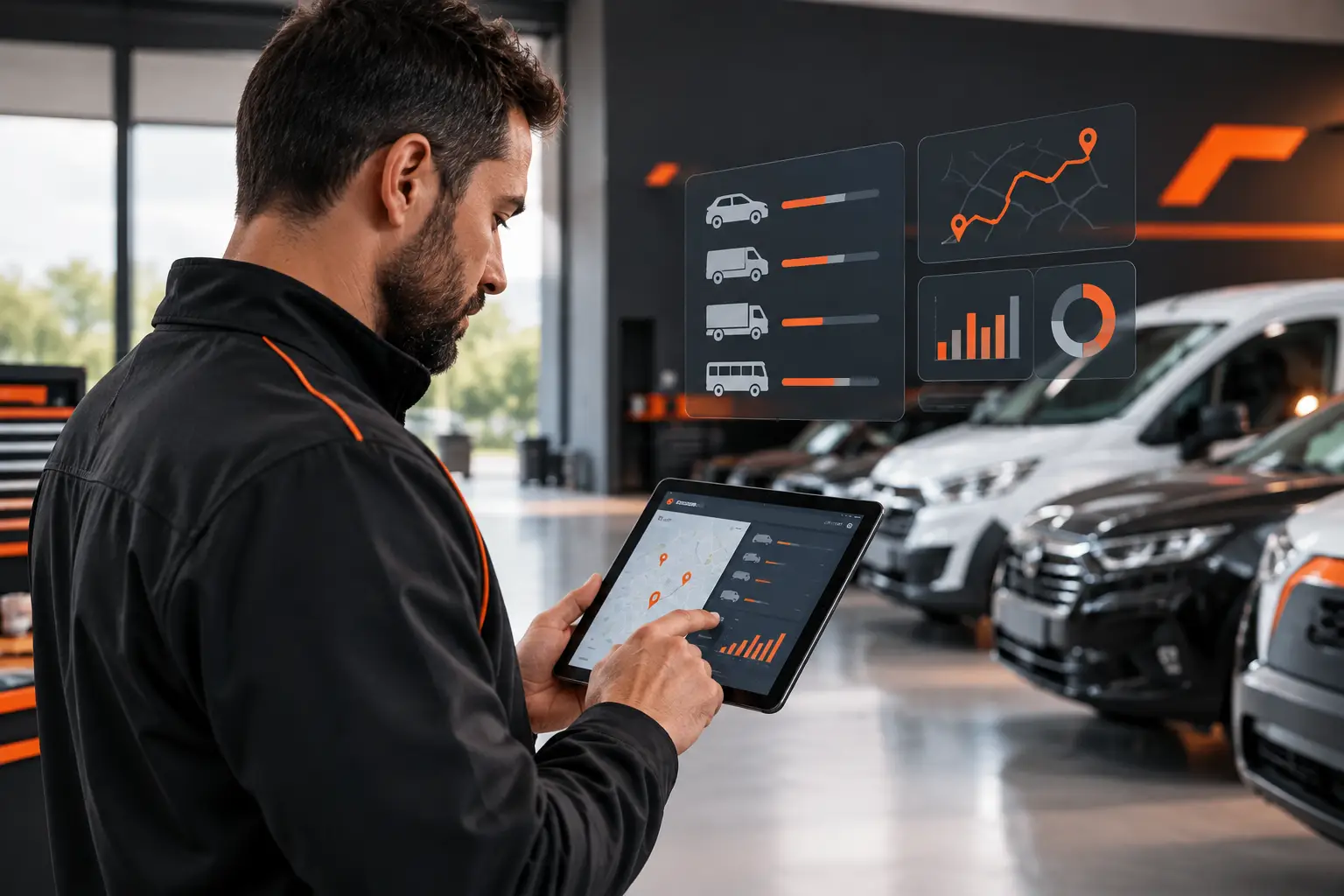
An app like Mine Garage can bring together history, reminders, expenses, fuel, charging, mileage and profitability data in a single record. This reduces dependence on spreadsheets and makes it easy to find information when you need it, whether on your phone or computer.
Don't wait for an expensive problem to start. Recording your next fuel fill, your next charge or your next repair shop visit is already a useful step. With a few months of consistent data, management stops being a memory task and becomes a simple way to better care for your vehicle and your wallet.