Vehicle Management Trends for Drivers
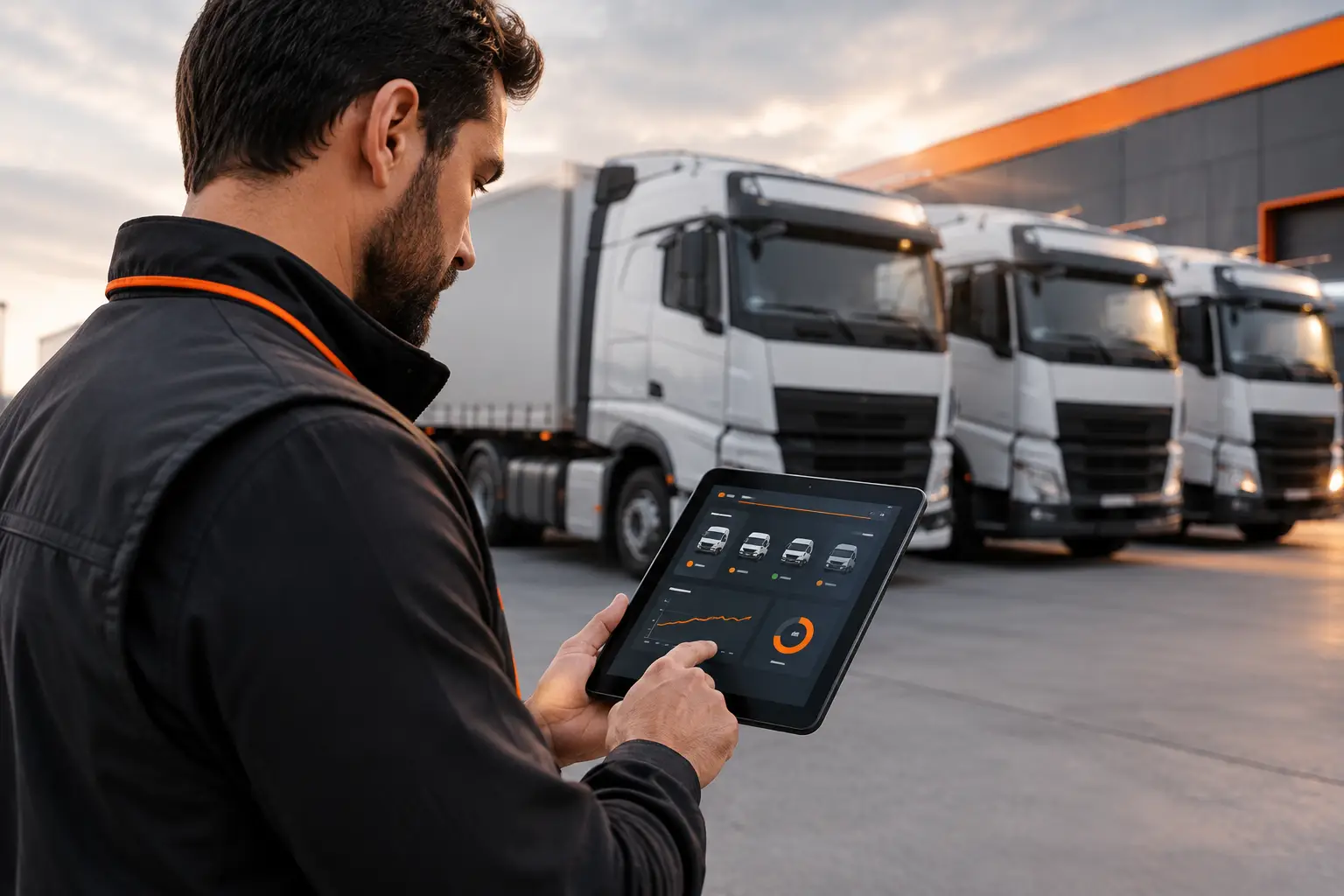
A tire changed at the wrong time, a missed service appointment, or several small expenses without records can completely change the cost of owning a vehicle. Vehicle management trends address exactly this problem: replacing scattered memories, receipts, and spreadsheets with organized information that helps you act before something goes wrong.
This applies whether you use your car on weekends, work in delivery or passenger transport, or manage a company with vans, motorcycles, or trucks. The vehicle is no longer just an asset that needs maintenance. For many drivers, it's also a source of income, a daily operational cost, and a shared responsibility.
Vehicle management trends: less guessing, more history
The main change isn't a single feature but centralizing your vehicle's history. Fuel, recharges, services, parts, documents, mileage, trips, and expenses all need to connect. When each record lives in a different place, it's hard to answer simple questions: how much does this car cost per month? When was the last service? Has consumption changed? Is it still making money?
Having a complete history lets you spot patterns that go unnoticed in daily use. A gradual increase in fuel consumption, for example, might signal a need to check tire pressure, driving habits, or whether a mechanic should take a look. It's not an automatic diagnosis or a substitute for a professional, but it turns a vague suspicion into a data-driven conversation.
There's also growing expectation that this history follows the driver. Switching phones, sharing a vehicle with someone else, or checking data on a computer shouldn't mean losing information. That's why platforms that gather records in apps and on the web, with the ability to import old data and export files, are gaining ground.
Planned maintenance is more than just a reminder
Oil change reminders still matter, but modern management goes beyond alerts on specific dates. Maintenance plans consider time, mileage, and how the vehicle is actually used. A car that sits most of the time and takes short trips has different needs than a van logging long distances every day.
The trend is building a realistic preventive routine: record the service done, save the mileage and cost, schedule the next item, and get a reminder at the right time. This way, maintenance stops being something you only think about when something breaks.
There's an important limitation. No app can know the physical condition of each part on its own. The plan should match the manufacturer's recommendations, your actual driving conditions, and advice from a trusted mechanic. Technology organizes the decision, but it doesn't replace the need for professional inspection when you hear unusual noises, see warning lights, or notice changes in how the vehicle handles.
Cost per kilometer becomes part of the driver's routine
Tracking only fuel shows a small part of the picture. Fuel or electricity, maintenance, tires, parking, tolls, washes, and recurring expenses add up to the true cost of operation. For the average owner, this view helps budget and compare periods. For someone who drives for work, it's essential to know if the job is actually worth it.
Cost per kilometer is a metric that's increasingly shaping everyday decisions. It prevents good-looking income from hiding high operating expenses. A ride-share driver, for example, can connect kilometers, earnings, and spending to see which days, routes, or shifts deliver better results. A small fleet can spot a vehicle that requires more stops or costs more to run than the others.
This calculation depends on recording quality. Logging an expense weeks later without mileage or category limits how useful the analysis is. The best routine is simple: record when you refuel, recharge, or pay for a service. A few seconds now saves hours trying to piece together the month later.
Return per vehicle, not per hunch
When you have more than one vehicle, looking at total operation numbers can hide problems. A motorcycle might be very efficient for city deliveries while a van brings more income but also concentrates higher maintenance and fuel costs. Comparing return by vehicle lets you distribute work better and plan replacements more thoughtfully.
That doesn't mean a single number should drive the decision. A vehicle with high costs might be essential for a particular load, serve a distant area, or be temporarily in a repair phase. Data helps you ask the right questions and doesn't simplify an operation that in reality has different variables at play.
Electric and hybrid vehicles need more complete records
The growth of electric cars and motorcycles, plus hybrids, is changing what drivers expect from a tracking tool. Instead of just monitoring liters and fuel price, you need to record recharges, energy consumption, costs at different charging points, and real-world range.
For an owner, this helps understand what it costs to run from home, at public stations, or on longer trips. For a professional, it lets you compare operations between vehicles with different powertrains without relying only on estimates. The history also shows how driving patterns influence spending over time.
Comparison requires context, though. An electric vehicle's cost isn't just the recharge, just as a gas vehicle's cost isn't just the fill-up. Mileage, maintenance, trip type, cargo weight, and charging infrastructure all affect the bottom line. Useful vehicle management records each operation's reality instead of promising one answer for everyone.
Shared data helps families and small fleets
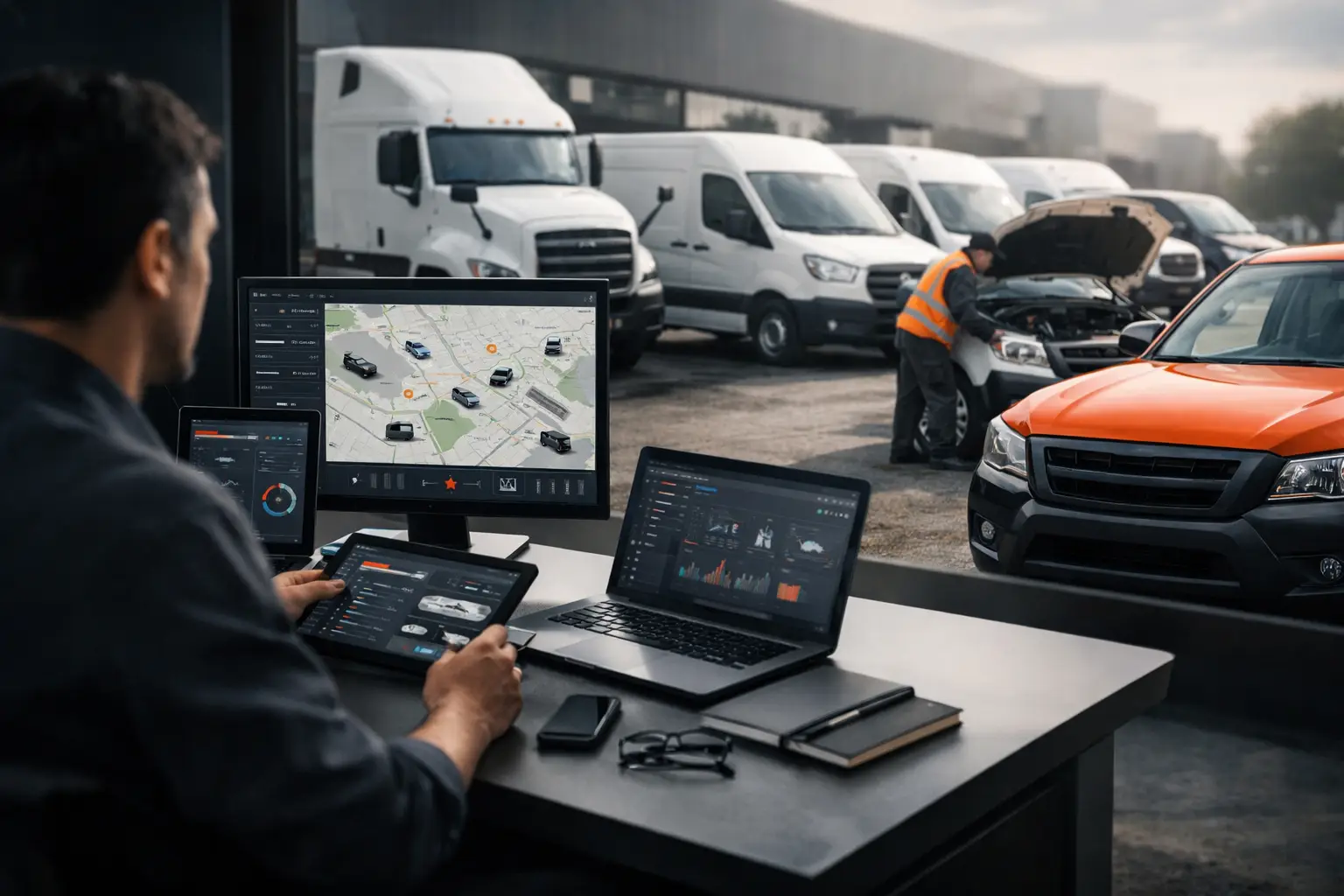
Another clear trend is shared management. In a family, two people might use the same car and both need to know when a service is scheduled or when a document is about to expire. In a small company, the person in charge needs to track the vehicle without depending on text messages, papers in the glove box, or word-of-mouth between drivers.
Sharing access with the right people cuts redundant work and prevents tasks from slipping through the cracks. Daily use checklists also add value here, especially for vans, trucks, and service vehicles. They help record basic operating items before leaving, build consistency, and communicate issues more clearly.
The key is defining responsibilities. Sharing everything with everyone can create duplicate records or confusion about who should act. In a small operation, it usually works better to decide who logs expenses, who tracks maintenance, and who only checks the information they need.
Diagnosis and useful information at the right moment
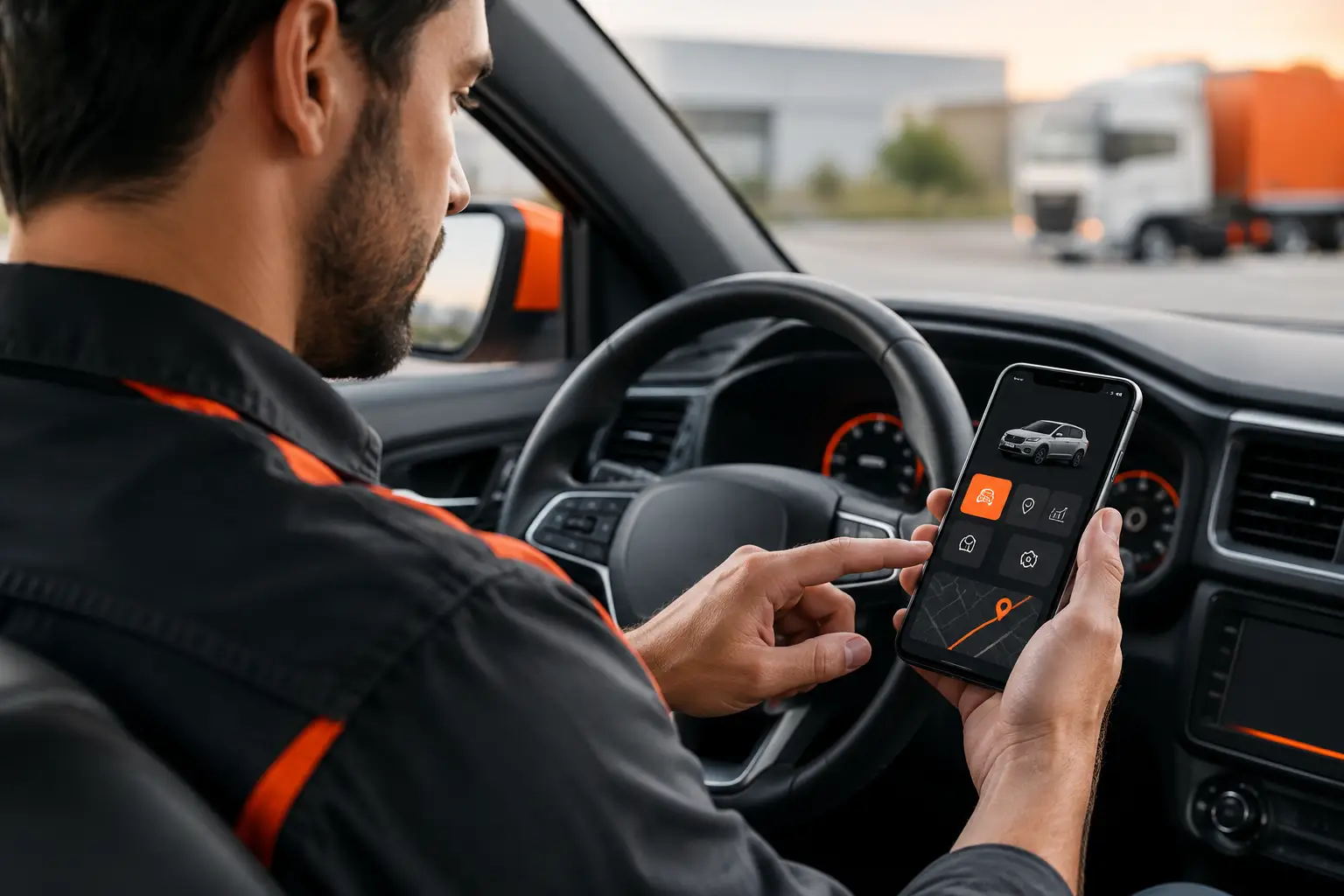
OBD2 readers and vehicle data through your phone are becoming more accessible to drivers interested in understanding alerts and engine behavior. Fault codes, live data, and occurrence logs can help describe a problem more accurately before seeking service.
This trend works best with common sense. A code isn't permission to swap parts by trial and error, nor a reason to ignore a warning light. It's a starting point to record what happened, get a proper evaluation, and keep your vehicle history more complete.
The value of communities sharing real owner stories is also growing. Knowing others faced a similar symptom can help you ask better questions and understand possibilities. Still, each vehicle has its own history, use conditions, and maintenance. Shared experiences are useful reference points, not definitive diagnoses.
Vehicle management needs to fit real life
A good tool shouldn't require you to become an accountant or mechanic. It should make easier the things already part of your routine: logging a fill-up, remembering a service, tracking expenses, recording a trip, and checking history when you need it.
That's the idea behind Mine Garage: bringing together vehicle care and the financial picture of your operation in a single record, useful for an owner and for someone who depends on a vehicle for work. The best system is one you can keep updated without abandoning after two weeks.
Start with what affects your routine most. Maybe it's not missing services, figuring out how much you spend per kilometer, or separating costs for each vehicle. With consistent records, your next decisions stop depending on memory and start reflecting what actually happens on the road.