Preventive Maintenance versus Corrective Maintenance in Vehicles
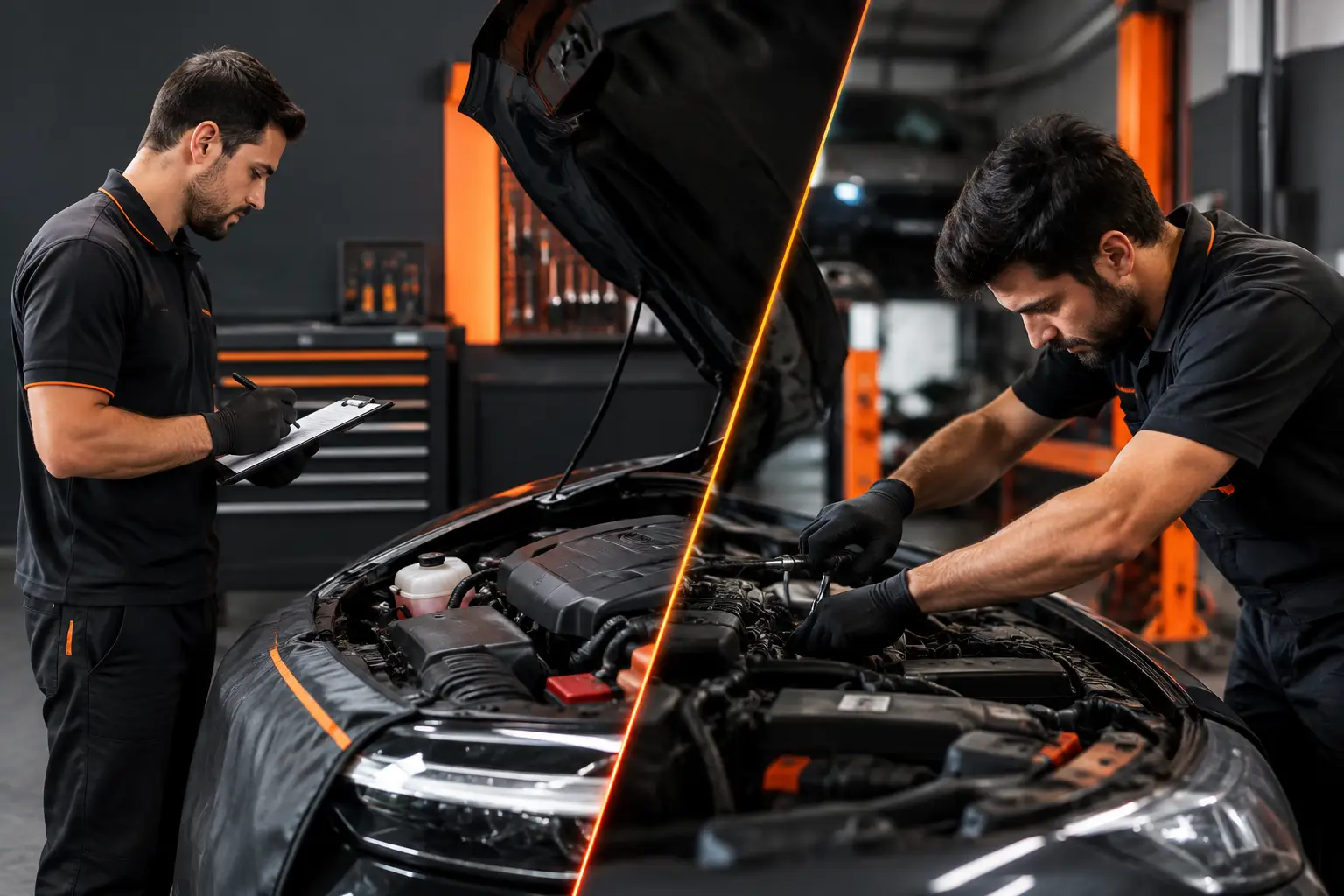
A warning light appears on the dashboard in the middle of a busy week. The car starts to misfire, the motorcycle loses power, or the company van breaks down on the day of the most deliveries. This is the scenario that understanding preventive versus corrective vehicle maintenance helps clarify: taking action before a failure costs planned time; taking action after costs money, lost trips, and worry.
The choice is not entirely between one approach and the other. Every vehicle may need corrective repairs, even when well maintained. The difference lies in reducing how often these issues occur, how serious they are, and what impact they have. For those who use a vehicle for work, this difference also shows up directly in cost per kilometer and profitability.
What's Different Between Preventive and Corrective Maintenance
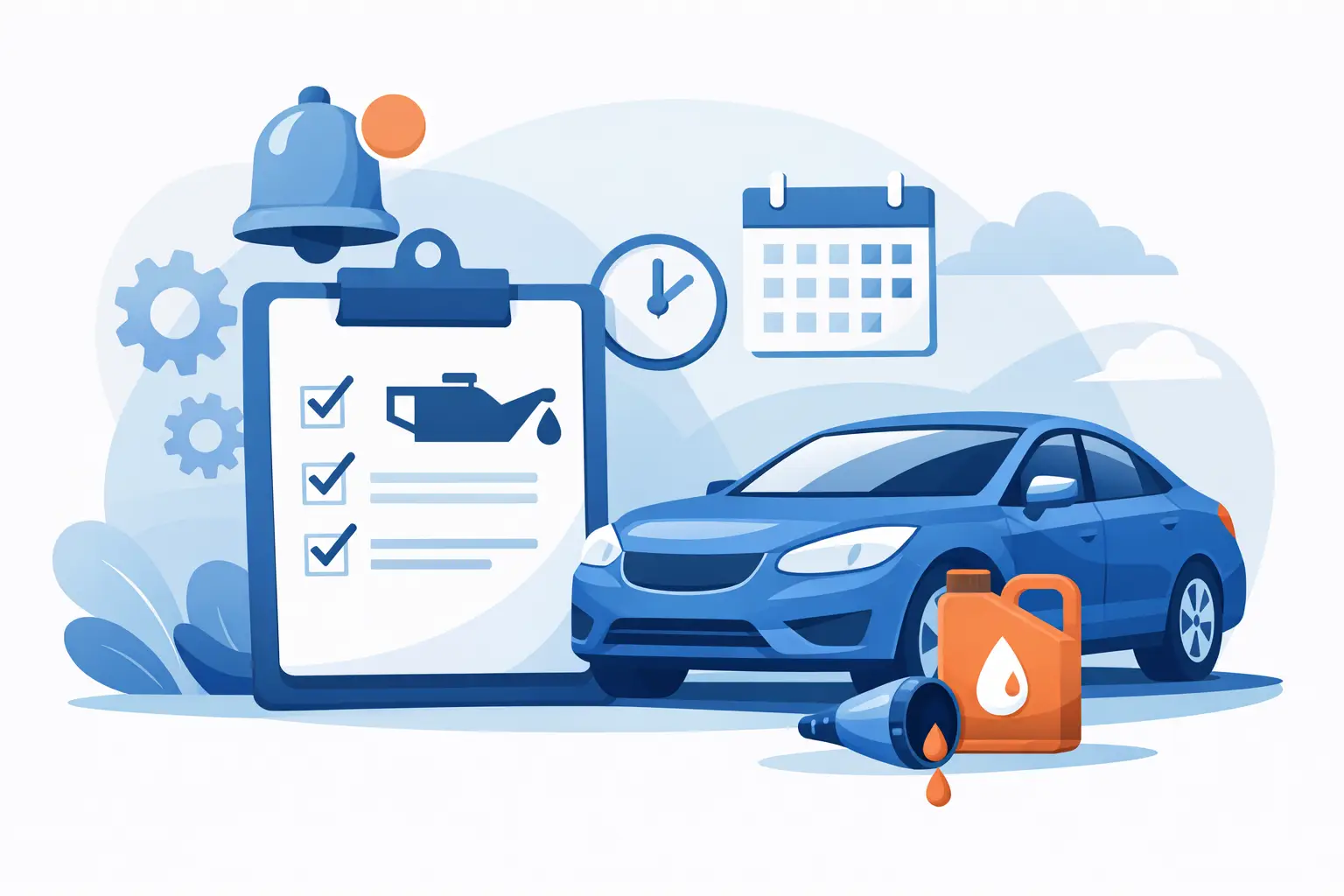
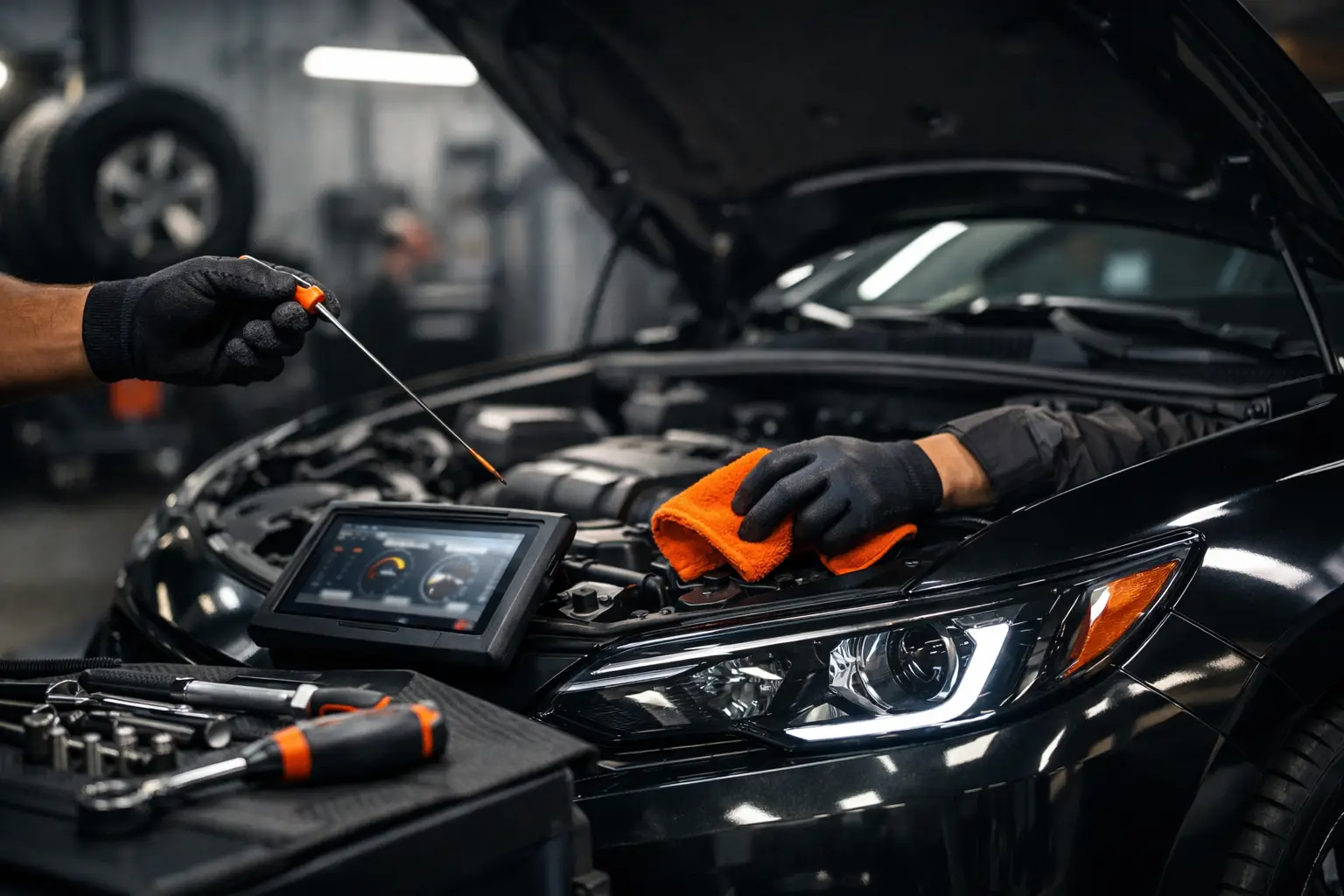
Preventive maintenance is performed according to time, mileage, or usage conditions, before a part shows obvious failure. Oil changes, filter replacements, fluid top-ups, belt replacements, spark plugs, tire rotations, and regular inspections are well-known examples. The goal is to keep the vehicle reliable and spot wear while it's still manageable.
Corrective maintenance, on the other hand, happens after a failure or defect appears. It could be replacing a battery that won't hold a charge, repairing noisy suspension, replacing a leaking water pump, or fixing a brake system that's lost stopping power. It may be straightforward, but it's often urgent.
Corrective maintenance doesn't automatically mean neglect. A tire can suffer unexpected damage, an electronic component can fail ahead of schedule, and a pothole can damage suspension components. The real problem starts when nearly every repair is corrective because records were lost, warnings were ignored, or nobody knows when the last service happened.
Why Preventive Maintenance Usually Costs Less Long Term
The cost of a scheduled replacement might sting at the moment, but a chain reaction failure almost always costs more. Expired oil loses its protective properties and can speed up internal engine wear. A cooling system without inspection can allow overheating. Brake pads worn past their limit can damage rotors, raising the cost of the repair.
The real expense goes beyond the part and labor. There's towing, alternative transport, a day of lost use, cancelled trips or deliveries, and lost productivity. In a small fleet, one unavailable vehicle can overload the others and hurt customer service.
There's also the matter of predictability. It's easier to budget for a known inspection than to absorb an unexpected bill during a month of high fuel costs, insurance, taxes, or low work demand. Recording services and expenses lets you spot the pattern instead of relying on memory or receipts stuffed in different places.
Not Every Early Replacement Saves Money
Prevention doesn't mean replacing parts without reason. Replacing components ahead of schedule that are still in good condition, without following the manual, mileage recommendations, usage type, or professional assessment, can waste money. The balance is following the manufacturer's plan and adjusting your routine to match how your vehicle is actually used.
A car driven only on short trips, for example, might need more attention to items that suffer under severe use. A delivery motorcycle racks up mileage and work cycles much faster than a recreational bike. A van loaded daily puts more demands on tires, brakes, and suspension. The best interval is one based on technical recommendations and your recorded usage.
Preventive versus Corrective Vehicle Maintenance in Daily Use
Day to day, prevention starts with paying attention. New noises, vibrations, increased fuel consumption, hard starting, smoke, unusual smells, and dashboard warnings deserve to be noted and checked out. Waiting for a symptom to go away can turn an early warning into a forced breakdown.
A few simple checks help keep things under control between services. It's worth tracking fluid levels as the manual recommends, watching tire wear, checking pressure regularly, and paying attention to how the brakes and steering feel. You don't need to diagnose problems yourself: the point is to notice changes and bring clear information to the shop.
When you record the date, mileage, service performed, and amount paid, you create a useful timeline. If the same problem comes back, it's easier to investigate. If it's time to sell the vehicle, a well-organized history also shows that it was cared for. For vehicles shared among family members, drivers, or teams, it ends the recurring question: "Has someone already done this inspection?"
How to Build a Plan That Actually Works
A good plan doesn't have to be complicated. Start by entering each vehicle with its current mileage and include the last services you can confirm. Even if the older history is incomplete, recording the current situation creates a new checkpoint.
Next, set reminders for recurring items, always considering both time and mileage. Oil and filters are the most memorable, but they shouldn't be the only ones. Include inspections, tire rotation or replacement, wheel alignment when needed, brake inspection, fluid changes, and model-specific items like timing belts or timing chains, following the manufacturer's guidance.
Also keep records of corrective maintenance. Knowing when a battery was replaced, what part was used, and what it cost helps you compare against future occurrences. For those who work with a vehicle, the ideal is to also record days out of service and related expenses, since this shows the operational impact of each failure.
An app like Mine Garage centralizes these records, reminders, fuel logs, and expenses in one place. That way, the service history is with you on your phone and can be shared with anyone else who looks after the vehicle, without needing spreadsheets, papers, or old messages.
For Professional Drivers, the Focus Is Availability
Those who drive with passengers, deliver packages, make service visits, or haul freight aren't just managing a vehicle: they're managing a work tool. Well-tracked preventive maintenance cuts surprises, but also helps you plan service stops during lower-impact times.
Compare maintenance costs against fuel consumption and mileage. A steady increase in fuel consumption, for example, might mean it's worth checking tires, filters, spark plugs, fuel injection, or other systems depending on your model. It's not a sure conclusion, but it's a sign worth looking into before it turns into a bigger expense.
For small fleets, standardizing records matters even more. Every driver should be able to report mileage, problems noticed, and services completed. Pre-trip and post-trip checklists help catch issues early, and a single calendar prevents different vehicles from missing service intervals without anyone noticing.
When Corrective Maintenance Is Unavoidable
There are times when repair is the only answer: collisions, flats, damage from poor road conditions, unexpected electrical failures, and wear that shows up before the planned interval. In those cases, acting quickly and with information makes a difference.
Note the symptom, the mileage, the conditions when it happened, and any warning shown on the dashboard. If there's a red light, significant power loss, overheating, loud engine noise, brake failure, or steering difficulty, don't keep driving. Continuing could make the damage worse and put people at risk.
After the repair, don't treat the episode as isolated. Record the reported cause, the parts replaced, and the service warranty if there is one. If it happens again, this history will be crucial for talking with the shop and figuring out whether there's an underlying problem, an unsuitable part, or a usage pattern that needs to change.
The Best Control Is One That Fits Your Life
Preventive maintenance doesn't eliminate all surprises, but it trades rushed reactions for organized decisions. It helps owners care for safety, preserve the vehicle, and understand where the money is going. Corrective maintenance still happens, but it stops controlling your schedule.
Start with the next service, not a perfect history. Record today's mileage, check what's due, and set a reminder for what comes next. When every fill-up, inspection, and repair has a proper place, caring for your vehicle stops depending on memory and becomes much easier to manage.