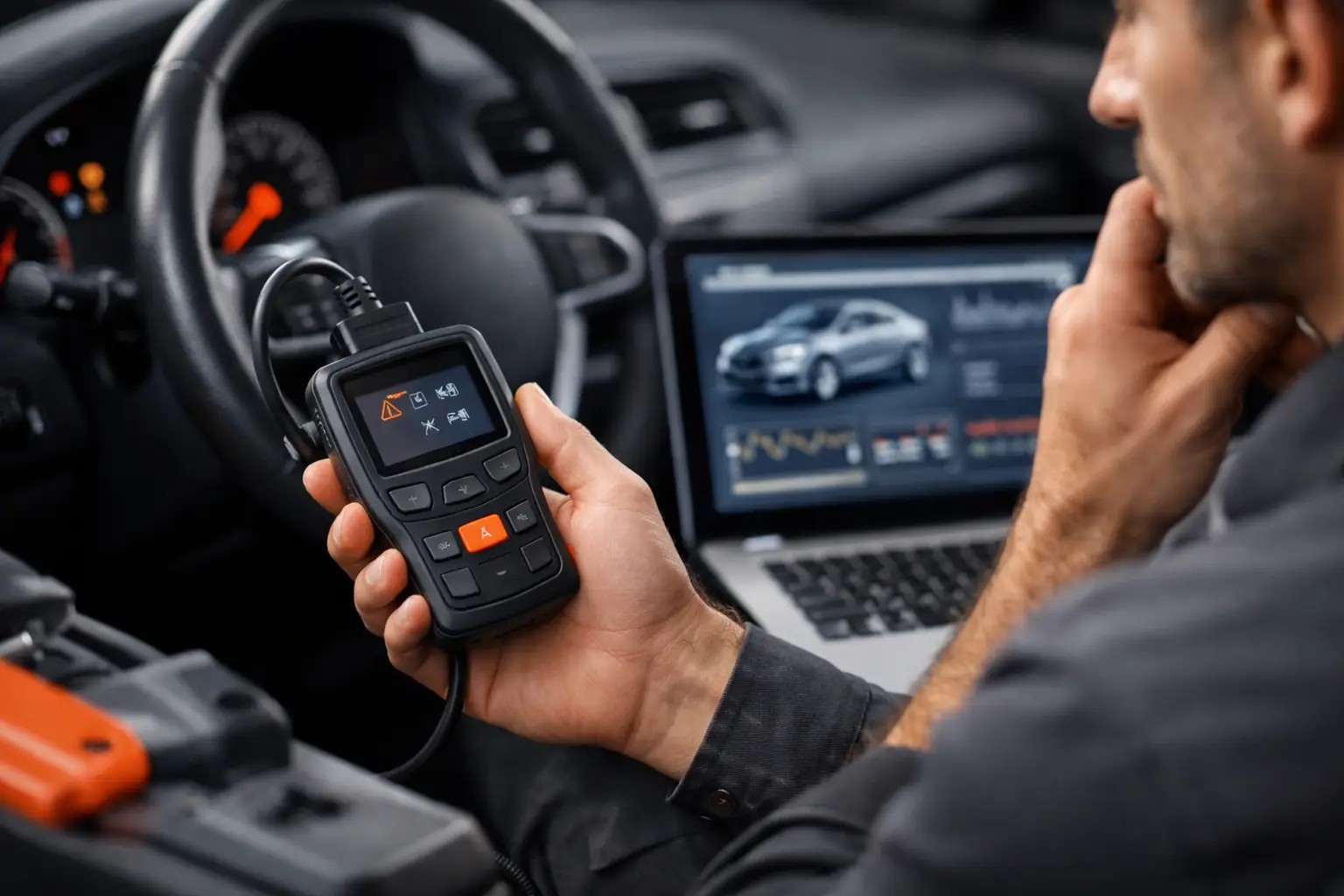
OBD2 Fault Resolved: What to Do Next
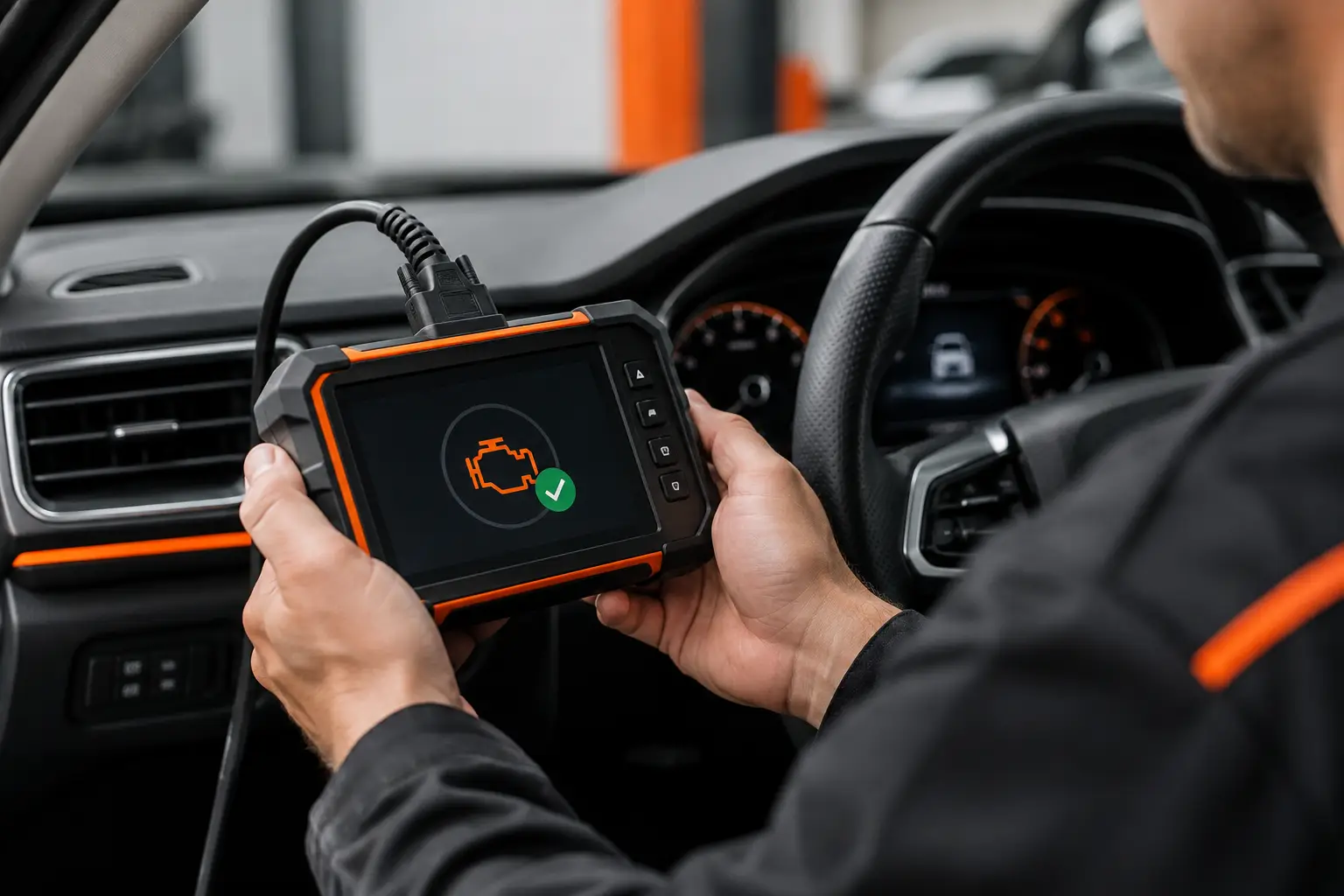
An OBD2 fault resolved shouldn't end the moment the check engine light goes out. If you don't record the code, the symptoms, and what was done, a fault that returns weeks later can look like a brand new problem. In practice, this history saves time, prevents unnecessary parts replacements, and helps you or your mechanic understand your vehicle's actual behavior.
OBD2 is one of the most useful ways to track the electronic health of cars, vans, pickups, and other compatible vehicles. It can show fault codes, real-time engine data, and information that helps investigate problems. But there's an essential difference between clearing a code and resolving what caused it.
OBD2 fault resolved is more than just clearing the code
A diagnostic code, also called a DTC, appears when the engine control unit detects a condition outside the normal range. It can be something one-time, like a reading error caused by a loose connector, or recurring, like fuel mixture out of range, ignition failure, or a sensor problem.
When the scanner clears the code, the light on your dashboard may disappear immediately. This clears the active record in the control unit, but it doesn't automatically fix the component, wiring, or condition that triggered the alert. If the underlying cause remains, the module may identify the fault again after a few driving cycles.
That's why you should consider a fault truly resolved when three signs align: the probable cause was addressed, the vehicle runs normally again, and the code hasn't returned after sufficient use. The time needed varies. An intermittent fault may take days or hundreds of miles to reappear, especially if it depends on rain, temperature, engine load, or fuel level.
What to record before clearing the code
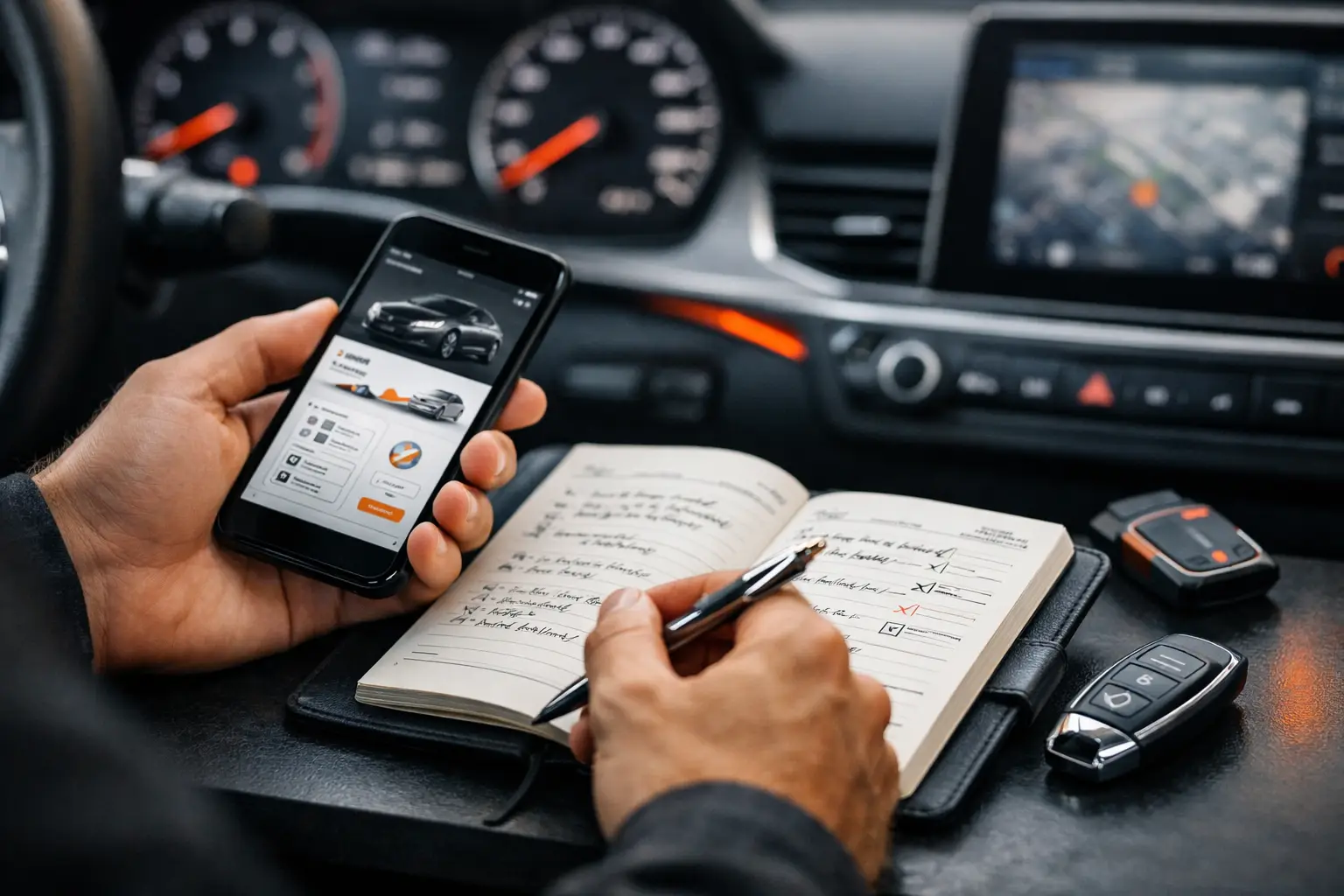
Before clearing any fault, save all available information. This simple step turns a dashboard alert into useful history for future decisions.
Start with the complete code, for example P0301 or P0420. Codes beginning with P usually refer to the powertrain, including engine and transmission. Even when two vehicles show the same code, the diagnosis can be different. The code points to an area or monitored condition, but it doesn't by itself determine which part should be replaced.
Also note the description shown by the scanner, the date, the mileage, and any symptoms you noticed. Did the engine hesitate at idle? Was there power loss? Did fuel consumption increase? Did the light stay on or blink? These details can be more valuable than the code alone.
If your OBD2 reader shows freeze frame data, record that too. It's a snapshot of the moment the control unit detected the problem, with information like RPM, engine temperature, speed, and load. You don't need to interpret everything yourself, but keeping this information helps with future evaluation.
An organized history should also include what happened shortly before the fault: refueling, recent service, battery replacement, engine wash, long trip, or a period when the vehicle sat unused. There may not always be a connection, but these events provide context.
The right repair depends on the cause, not the alert
Sometimes the fix is simple. A fuel tank cap left loose can, depending on your vehicle, trigger a fuel vapor system alert. A connector left unplugged after maintenance can also trigger a fault. In other cases, investigation requires testing and a qualified shop.
The costliest mistake is treating the code as a shopping list. Replacing a sensor because it appeared in the description may not solve the problem if the real cause is in wiring, electrical supply, an air leak, fuel quality, or another component affecting the reading.
This especially applies to codes related to ignition, emissions, temperature, and air-fuel mixture. They can have multiple causes. If your engine is running rough, smells like fuel, overheating, losing significant power, making unusual noises, or the check engine light is blinking, reduce vehicle use when it's safe to do so and seek professional evaluation. Continuing to drive can increase damage and make it harder to identify the original cause.
For those using a car or van for work, record-keeping makes an even bigger difference. A recurring fault can mean days of downtime, lost jobs, delayed deliveries, and unexpected costs. Knowing exactly when the alert started and what was done helps you calculate the real operational impact.
Clearing the code before the shop can make diagnosis harder
If your vehicle is going in for diagnosis, clearing codes before you get there can remove important clues. Beyond the current code, the control unit may retain pending faults and data that helps reproduce the defect. Save everything before clearing, and if there's a clear symptom, explain it plainly.
Also avoid repeatedly clearing a fault just to turn off the dashboard light. Besides masking a problem that needs attention, this can reset internal self-diagnostic monitors. The vehicle will need to go through new driving cycles to complete these checks.
How to confirm the OBD2 fault was actually resolved
After repair or adjustment, monitoring is the step that confirms the result. Drive the vehicle under normal conditions and watch for behavior changes. You don't need to push it to the limit: city driving, highway miles, and idle periods, when they're part of your routine, usually give better information than a quick loop around the block.
Watch for the check engine light returning, pending codes, and symptoms. Pay attention to hard starts, idle surging, hesitation, unusual fuel consumption, loss of performance, and alerts that only appear under certain conditions. For hybrid and electric vehicles, use only readers and procedures compatible with your vehicle's system and don't attempt work on high-voltage components.
If the code doesn't return and symptoms disappear, record the resolution with the date and mileage. If it does return, don't treat that as a failed repair. Instead, you now have a timeline to identify the pattern. Compare the new alert to the earlier one, note how many miles passed before it came back, and record whether it happened under the same conditions.
Turn diagnostics into useful history
OBD2 history works best when kept alongside your maintenance and vehicle costs. When you record a fault, attach the service order, parts used, labor, and shop notes to it. That way, you won't depend on loose receipts or memory to remember why a repair was done.
In Mine Garage, OBD2 diagnostics can be part of your vehicle's central record, alongside maintenance, expenses, mileage, and usage history. For a car owner, this makes it easier to track reliability. For someone who drives for work or manages a small fleet, it helps you understand how much an issue really cost, including maintenance, downtime, and operational impact.
Not every fault needs alarm, and not every light that goes out means the issue is closed. The best approach is simple: record what appeared, fix the cause thoughtfully, and monitor your vehicle long enough to trust the result. When a warning returns, your history will be ready to tell the story the dashboard can't explain alone.