Motorcycle Expense Guide: A Practical Approach
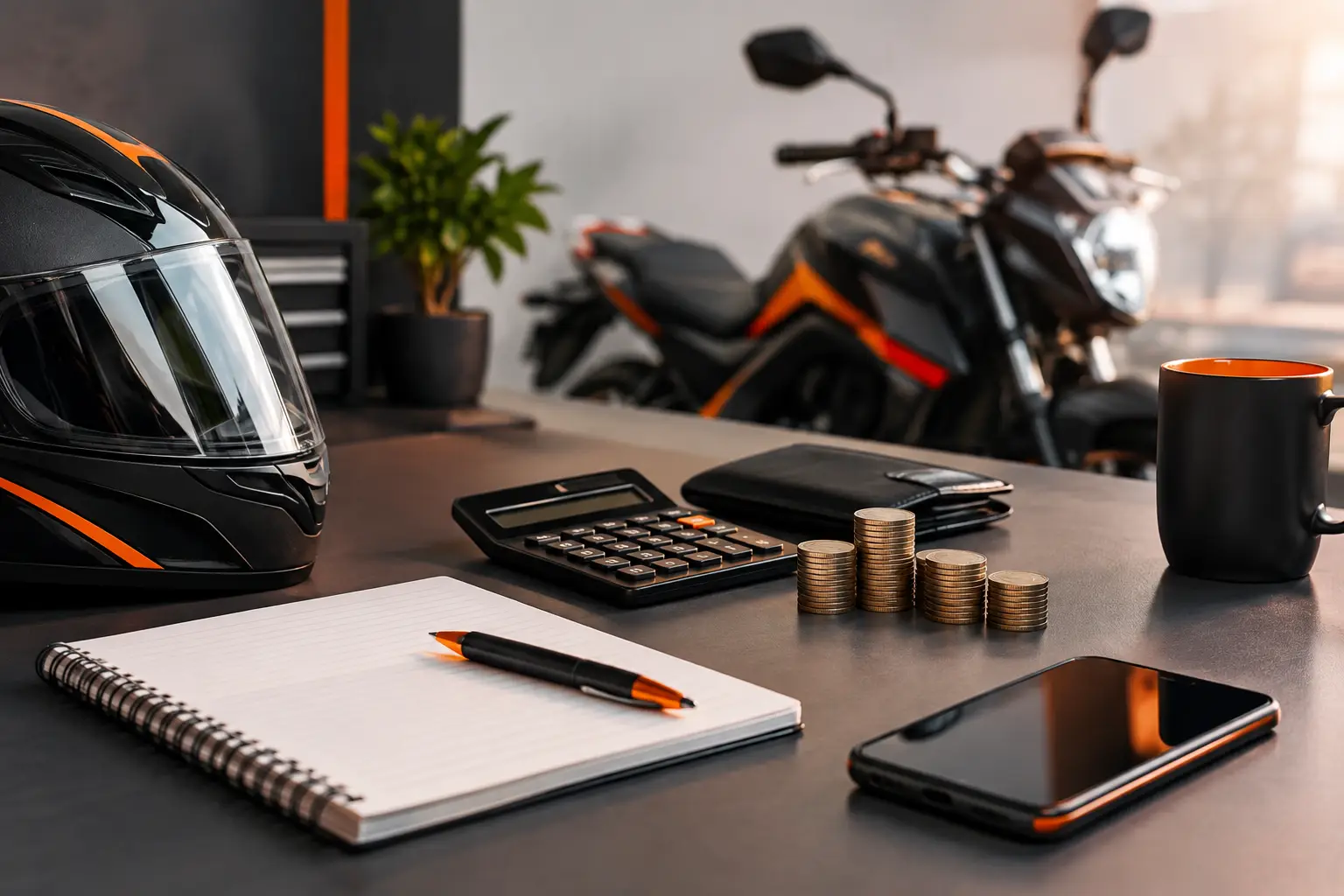
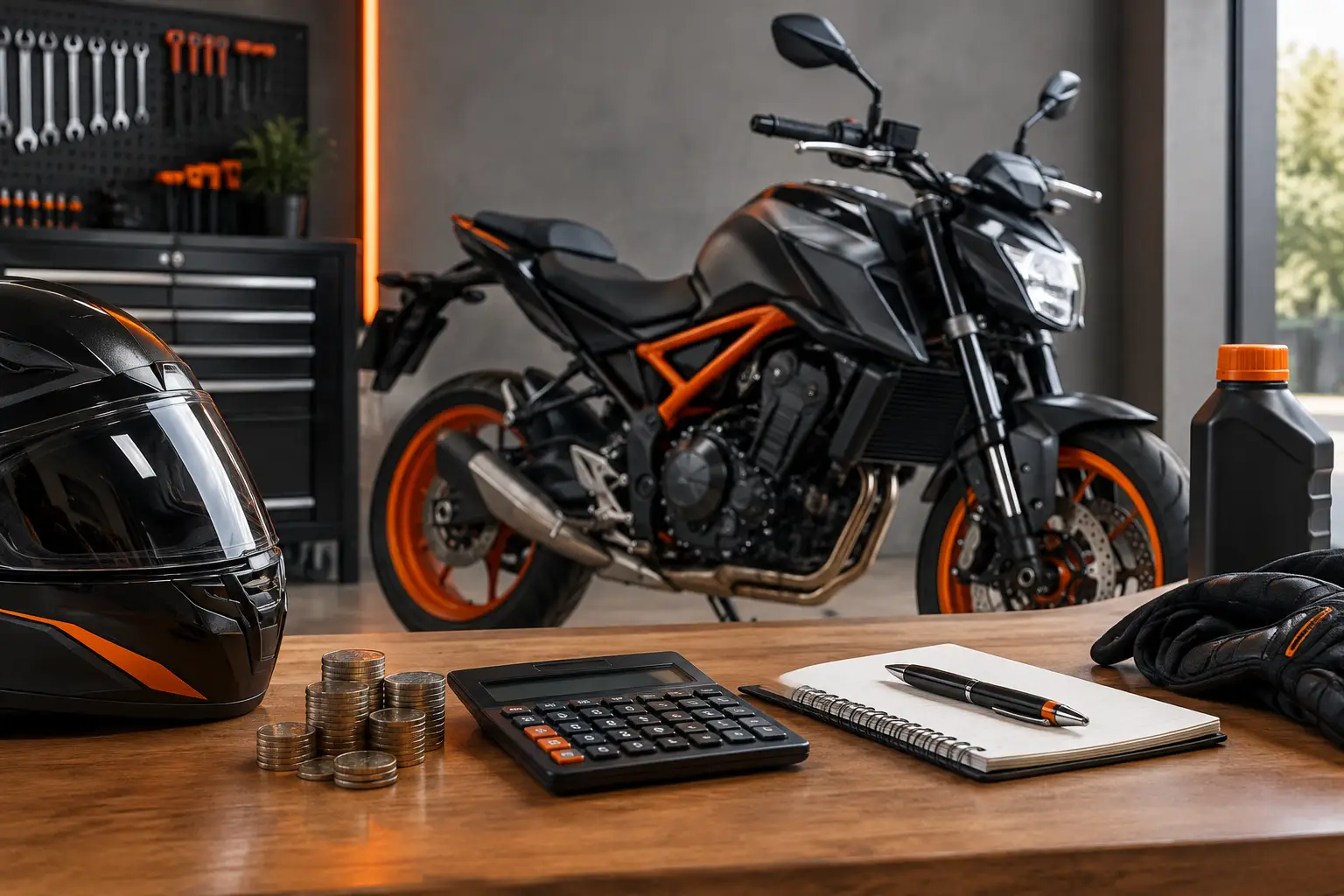
Your motorcycle seems economical until you try to remember how much you've spent over the past six months. A fill-up here, a chain replaced earlier than expected, new tires, annual fees, and that service you kept putting off. This motorcycle expense guide helps you turn scattered spending into a clear picture of what it really costs to own and ride your bike.
This doesn't mean cutting everything out or stop enjoying your motorcycle. It means knowing what it needs, anticipating expensive months, and making decisions with fewer surprises. If you use your bike for your daily commute, trips, deliveries, or as a work tool, tracking these costs also shows whether the operation still makes sense.
Start by separating fixed and variable expenses
The first mistake is treating every dollar spent as if it's the same. Some expenses exist even when your bike sits idle for weeks. Others follow your mileage, riding style, and the type of roads you travel. Separating these two groups makes planning much simpler.
Fixed expenses typically include insurance, vehicle protection if purchased, parking or garage fees, financing, registration, and applicable taxes. In Brazil, annual vehicle tax and licensing are examples of specific costs that vary by state and motorcycle model. If you live in another country, record the local equivalents, such as annual circulation fees or mandatory inspections.
Variable expenses appear as your bike rides. Fuel, charging for electric models, oil, filters, tires, brake pads, chain, sprockets, cleanings, repairs, and tolls go here. They're not less predictable just because they don't arrive in a single bill: your history reveals patterns.
A good rule is to record each expense the day it happens. Trying to reconstruct an entire month later using bank statements and memory almost always leaves items out. Also note your odometer reading when you make the expense. It's the data that connects money, usage, and wear.
What to record in a motorcycle expense guide
Don't just write "maintenance" or "gas station". Broad categories hide why your costs increased. Record a brief description, amount, date, mileage, and category. When relevant, include the shop, the brand of the part, and a note about the work done.
For fuel, record the quantity purchased, total price, price per unit, and your odometer. After a few consistent fill-ups, you can track consumption and spot unusual changes. Higher fuel consumption might come from traffic, a different route, underinflated tires, extra load, or a maintenance need. The number alone won't diagnose the cause, but it draws attention at the right time.
For maintenance, separate routine service from unexpected repairs. Oil changes, filter replacements, and planned adjustments are part of your care routine. A leaking seal, a battery that failed, or a crash requiring replacements are different events. This distinction prevents the feeling that all expenses are inevitable and helps you plan a more realistic reserve.
It's also worth recording accessories and equipment if they're part of your bike use. A top box, phone holder, cover, gloves, and jacket may not be mechanical costs, but they're expenses tied to ownership and work. Whether to include them depends on your goal: if you want to know the total cost of owning the bike, include them; if you only want to analyze daily operation, keep them in a separate category.
Preventive maintenance costs less when it's planned
Putting off service because your bike "still runs fine" usually exchanges a known expense for an uncertain bill. Not every preventive service delivers immediate savings, but it reduces the chance of minor wear becoming costly failure and helps keep your motorcycle reliable.
Start with your manufacturer's manual, but don't treat it as a distant date written on some paper. Set reminders by date and mileage for recurring services. Oil and filters, tires, final drive, brake fluid, battery, and suspension items have different intervals. The right schedule depends on your model, how you ride, and the manufacturer's guidance.
For work bikes, mileage-based schedules usually matter more. If you do deliveries or intensive riding, you might reach in weeks what another rider covers in months. For a recreational bike, time also counts: even with low mileage, fluids, battery, tires, and registration shouldn't be forgotten.
You don't need to predict every dollar. The goal is knowing certain expenses will come and setting aside budget before they become urgent. A tire replacement stops being a shock when you track wear and already know it's coming.
Calculate cost per mile without overcomplicating it
Cost per mile answers a direct question: what does it cost to ride this bike? To calculate it, divide your expenses for a period by the miles ridden in that same period. You can do a broad calculation including all costs, or an operational one focused on fuel, maintenance, tires, tolls, and parking.
For example, if your bike covered 1,900 miles in three months and accumulated $150 in operational expenses, your operational cost was about $0.08 per mile. The number alone won't tell you if that's good or bad. It makes sense when you compare similar months, routes, bikes, or periods of high and low use.
If you work doing deliveries, passenger transport, or field service, also record your income. This takes the analysis beyond "money came in" to your actual margin: revenue minus motorcycle operating costs. A week with good income might look excellent until you account for fuel, maintenance, and empty-ride costs.
Avoid drawing conclusions from a single week. New tires can raise your cost per mile sharply in a short period, even though they're an expected expense for many miles of use. Look at monthly, quarterly, or maintenance-cycle averages for a more balanced view.
Create a system you can actually maintain
A spreadsheet can work, as can organized notes. The problem starts when the system demands too much time and you stop recording after a few days. The best method is one that fits your routine: logging a fill-up at the pump, recording service when you pick up the bike from the shop, and saving or photographing receipts when needed.
A vehicle management app centralizes fuel fill-ups, expenses, maintenance, documents, and mileage in one history. With Mine Garage, for example, you can record your bike's costs, track service reminders, and analyze expenses without depending on scattered receipts or memory. For families, professionals, and small operations, having your history in one place also makes sharing vehicle management easier.
Create categories that actually serve your decisions. "Fuel", "scheduled maintenance", "repair", "tires", "registration", and "parking" cover most cases. Only add more detail if you'll actually look at that information later. Organization isn't about filling fields for the sake of it.
Adjust your tracking to how you ride
For daily commuters, predictability usually comes first. Track fuel, service, registration, and the parts that wear hardest on your route. A bike used mainly in urban traffic faces different wear than one ridden on the highway on weekends.
For riders who travel, breaking down expenses by trip helps you understand the cost of each route. Include fuel, tolls, parking, lodging, and any extraordinary maintenance. This isn't about turning your ride into a spreadsheet, but planning the next trip with more honest expectations.
For those working with their bike, discipline needs to be stronger. Record the starting and ending mileage for your shift, income, fuel, maintenance, operational fees, and support costs. Tracking profit by period and cost per mile shows whether changing hours, service areas, or even maintenance strategy makes sense.
Use the numbers to decide, not to blame yourself
A high expense doesn't automatically mean you manage your bike poorly. Sometimes it represents necessary maintenance, replacing an item at the end of its life, or adapting to how you ride. The value of tracking is spotting the pattern before it becomes a problem.
Spend a few minutes at the end of each month looking at total spending, mileage, and the categories that cost the most. Compare with previous months and ask what changed: did you ride more, do back-to-back service, switch routes, or have a one-time repair? With this habit, your bike stops being a series of unexpected expenses and becomes a cost you understand, track, and can plan for.