Automotive Diagnostics Guide: No Guesswork Required
The fuel injection light comes on, your car loses power on an incline, or your motorcycle starts consuming more fuel. These signals raise questions, but they don't have to become mysteries. A solid automotive diagnostics guide helps you observe the problem, gather useful information, and make your next decision with confidence.
Diagnosing doesn't mean taking apart your vehicle or trying to fix everything yourself. It means identifying what changed, separating urgent symptoms from situations that can wait, and keeping a clear record. For anyone who drives daily, runs deliveries, transports passengers, or manages a small fleet, this organization prevents unexpected downtime and unexplained expenses.
Start with the symptom, not the part
A common mistake is looking for a part to replace before understanding your vehicle's behavior. The fuel injection light, for example, could relate to fuel, ignition, sensors, air intake, or emissions. Replacing components by trial and error usually costs more than a proper diagnosis.
Start by recording what happened and under what conditions. Does the engine misfire only when cold? Does the noise appear when braking? Does the temperature rise in traffic but stay normal on the highway? Did consumption increase after a specific fill-up? These details significantly narrow down the likely cause.
It also helps to note whether the symptom is constant or intermittent. A problem that only happens on rainy days, at higher RPMs, or when the vehicle is loaded might point to different causes than a constant problem. The more precise your description, the more efficient the diagnosis at the shop.
What to check before connecting a scanner
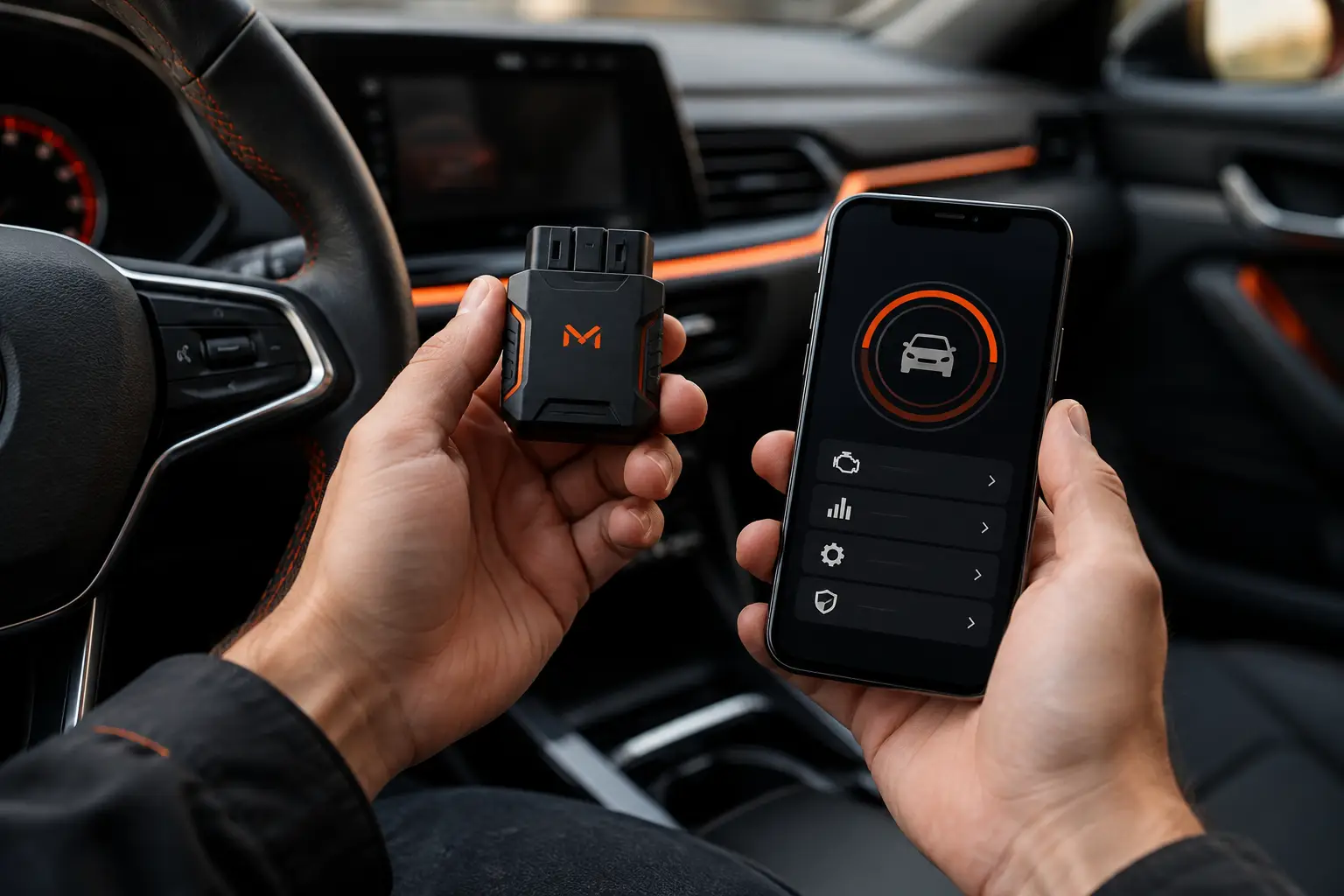
The OBD2 scanner is a useful tool, but it doesn't replace basic observation. It reads fault codes stored by electronic modules: it doesn't automatically tell you which part needs replacing. The same code can have different origins, and context makes all the difference.
Before scanning, check the dashboard and overall behavior. Look for active warning lights, changes in idle, unusual exhaust smoke, fuel smell, leaks, hard starting, or strange noises. Also check your oil and coolant levels with the engine cold, following your vehicle's manual.
Some signs demand immediate action. Oil pressure light, overheating, strong fuel smell, heavy smoke, significant brake loss, or engine knocking aren't situations to keep driving until "it gets better." Pull over safely and seek help.
A fuel injection light that's on but without obvious performance loss may let you drive to a shop, depending on your model and other symptoms. If the light is blinking, you may have combustion misfires risking catalytic converter damage. In this case, limiting use and getting checked quickly is the smarter choice.
Automotive diagnostics guide: a practical sequence
The best way to avoid hasty decisions is to follow a simple sequence. It works for cars, motorcycles, vans, and work vehicles, with adjustments based on your model.
- Record the symptom. Note the date, mileage, fuel used, driving conditions, and what the vehicle showed. If there's a noise or dashboard light, a photo or video helps.
- Assess urgency. Oil, temperature, brake, or leak alerts need immediate action. Light problems without critical warnings still deserve monitoring and scheduling.
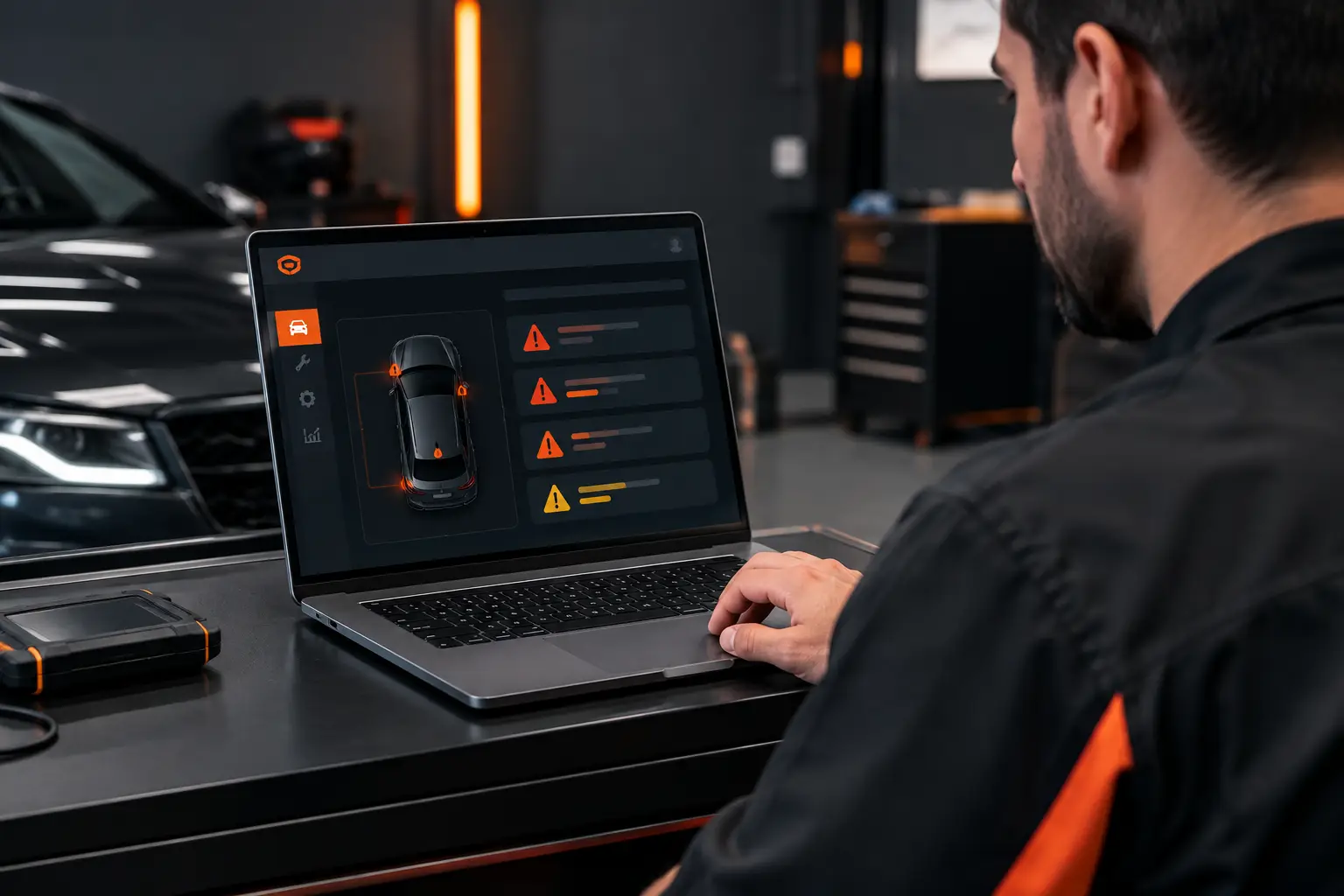
- Read OBD2 codes when available. Write down the full code, like P0301 or P0420, not just a generic description. Clear codes only after recording the information and fixing the likely cause.
- Compare with your history. Check your recent services, replaced parts, fill-ups, and past repairs. A fault after maintenance doesn't prove service error, but it's relevant context.
- Bring objective information to the shop. Instead of saying "the car is acting weird," explain when the problem started, what changes during use, and which codes you found.
This routine doesn't turn you into a mechanic. It keeps your vehicle from arriving at the shop without context and makes for a clearer conversation about testing, costs, and repair priorities.
How to interpret codes without falling into traps
Fault codes typically start with a letter and numbers. Codes beginning with P usually relate to the powertrain, including engine and transmission. B generally refers to the body, C to the chassis, and U to communication between modules. This gives you direction, but not the exact cause.
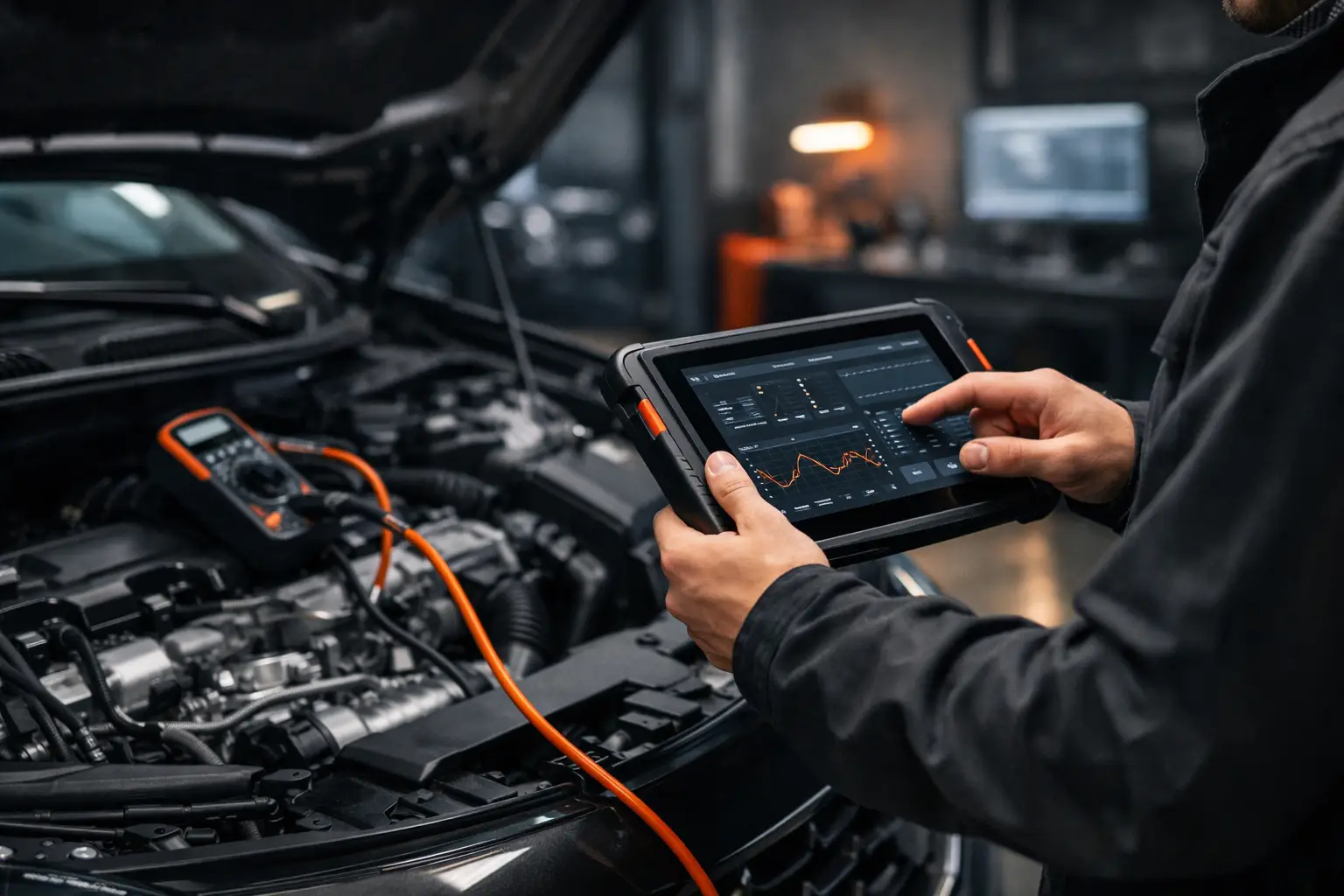
A cylinder misfire code, for example, could involve a spark plug, coil, injector, air leak, compression, or low-quality fuel. The code shows where the system detected something abnormal. Confirming the cause requires testing, inspection, and sometimes professional equipment.
Be skeptical of diagnoses based only on an app message or a quick internet search. Use those sources to understand the situation and ask better questions, not as automatic shopping orders. Electronics and sensors can be expensive, and replacing the wrong part won't solve the root cause.
Maintenance history is also diagnostics
Most problems don't appear overnight. They start with fuel consumption creeping up, slower starts, minor leaks, or services falling behind schedule. That's why maintenance history is one of your most useful diagnostic tools.
When you record oil changes, filters, spark plugs, tires, battery, belts, brake fluid, and service dates, it's easier to spot what's reaching its limit. You can also connect a new behavior to recent maintenance, a fuel change, or a shift in driving habits.
For professional drivers, this matters even more. A parked vehicle isn't just repair costs: it's lost trips, delayed deliveries, and lost income. Recording mileage, fill-ups, expenses, and downtime helps you calculate the real impact of each problem.
Mine Garage can centralize this history along with service reminders, fuel records, expenses, and OBD2 diagnostic data. Instead of hunting for receipts, messages, and scattered notes, you have an organized file for each vehicle.
When to visit a shop right away
There are times when waiting a few days is acceptable, as long as there's no critical alert and the vehicle runs normally. But some symptoms shouldn't wait: overheating engine, severe starting trouble, heavy vibration, sudden power loss, brake noise, oil or coolant leaks, battery light with electrical failures, and any change in how the vehicle drives.
Also get checked if the same code returns after clearing. Clearing the light without fixing the cause just delays the problem. For heavy-use vehicles like vans, rideshare cars, and work trucks, putting off a small fault can mean longer downtime when it finally worsens.
At the shop, ask for a simple explanation of what's wrong, what tests were done, and how urgent the repair is. Not every flagged item needs replacement the same day. Some advice is preventive, some is urgent. Knowing the difference helps you budget without compromising safety.
Turn every alert into useful information
The point of automotive diagnostics isn't to panic at every light. It's to replace uncertainty with information. With symptoms recorded, codes saved, history updated, and attention to critical alerts, you gain control over maintenance, costs, and how much your vehicle can work.
Next time a warning appears on your dashboard, don't rely on memory or start swapping parts. Record what changed, assess the urgency, and treat each signal as a chance to care for your vehicle before a small issue interrupts your plans or your work.