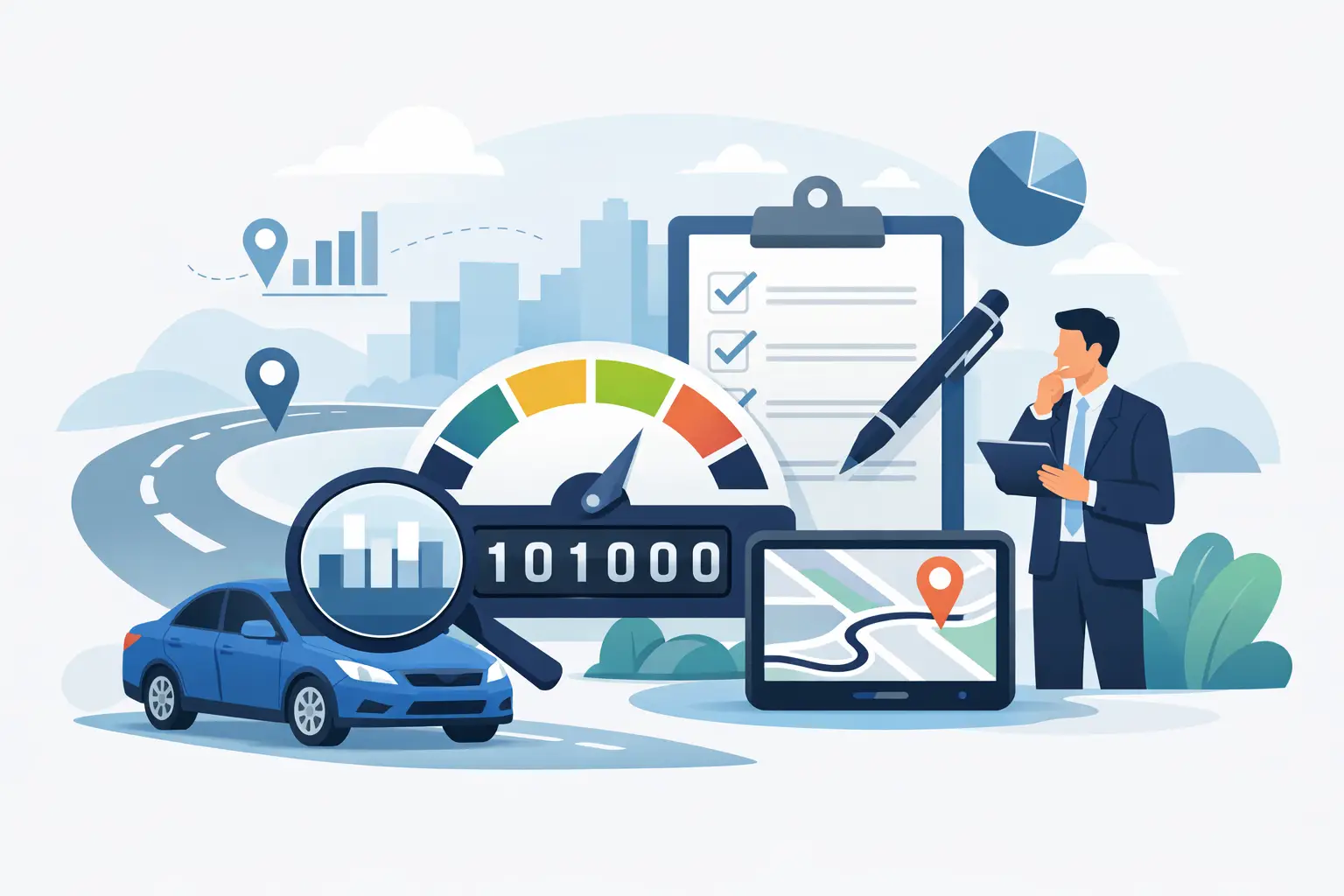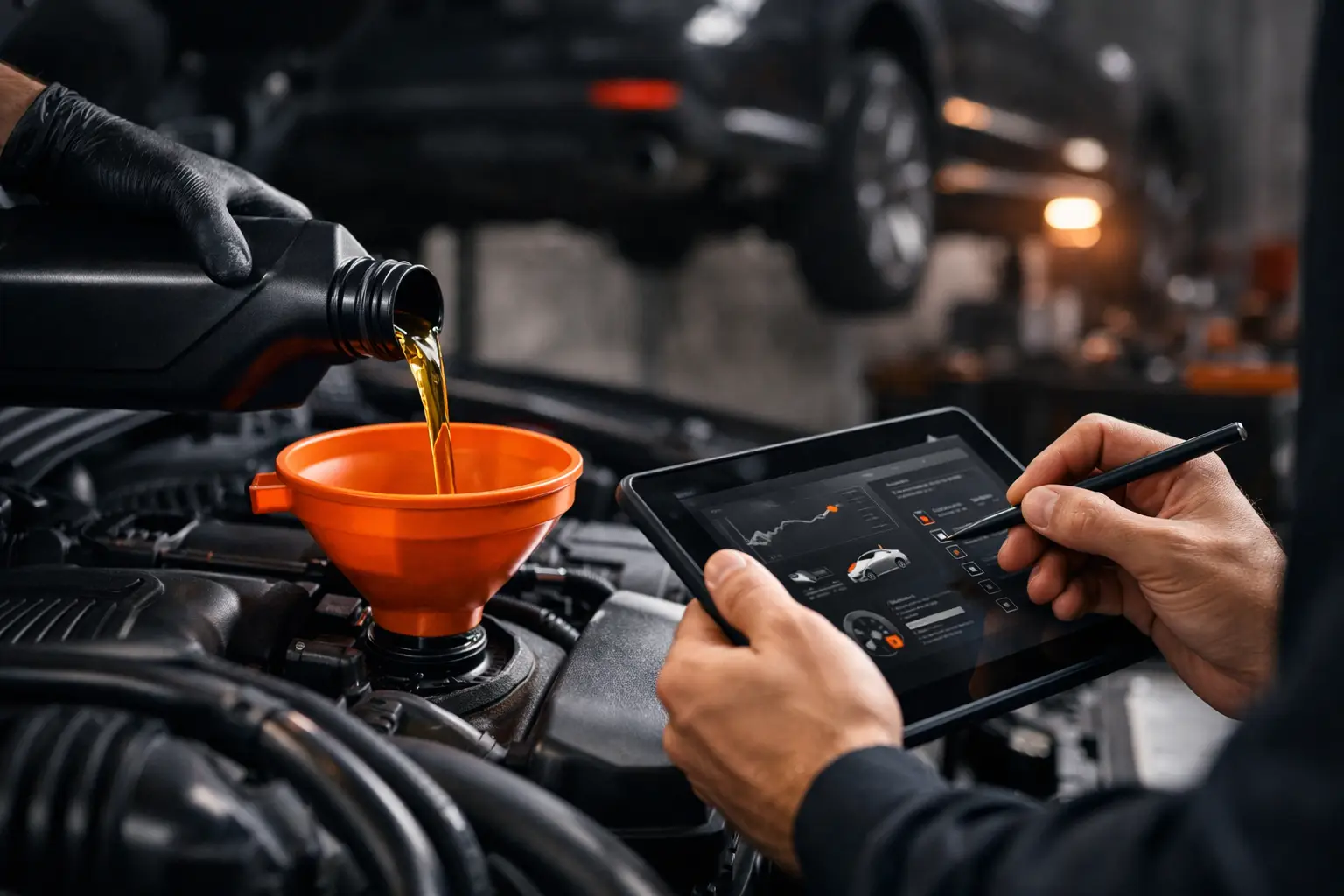
AI and automotive maintenance: what changes?
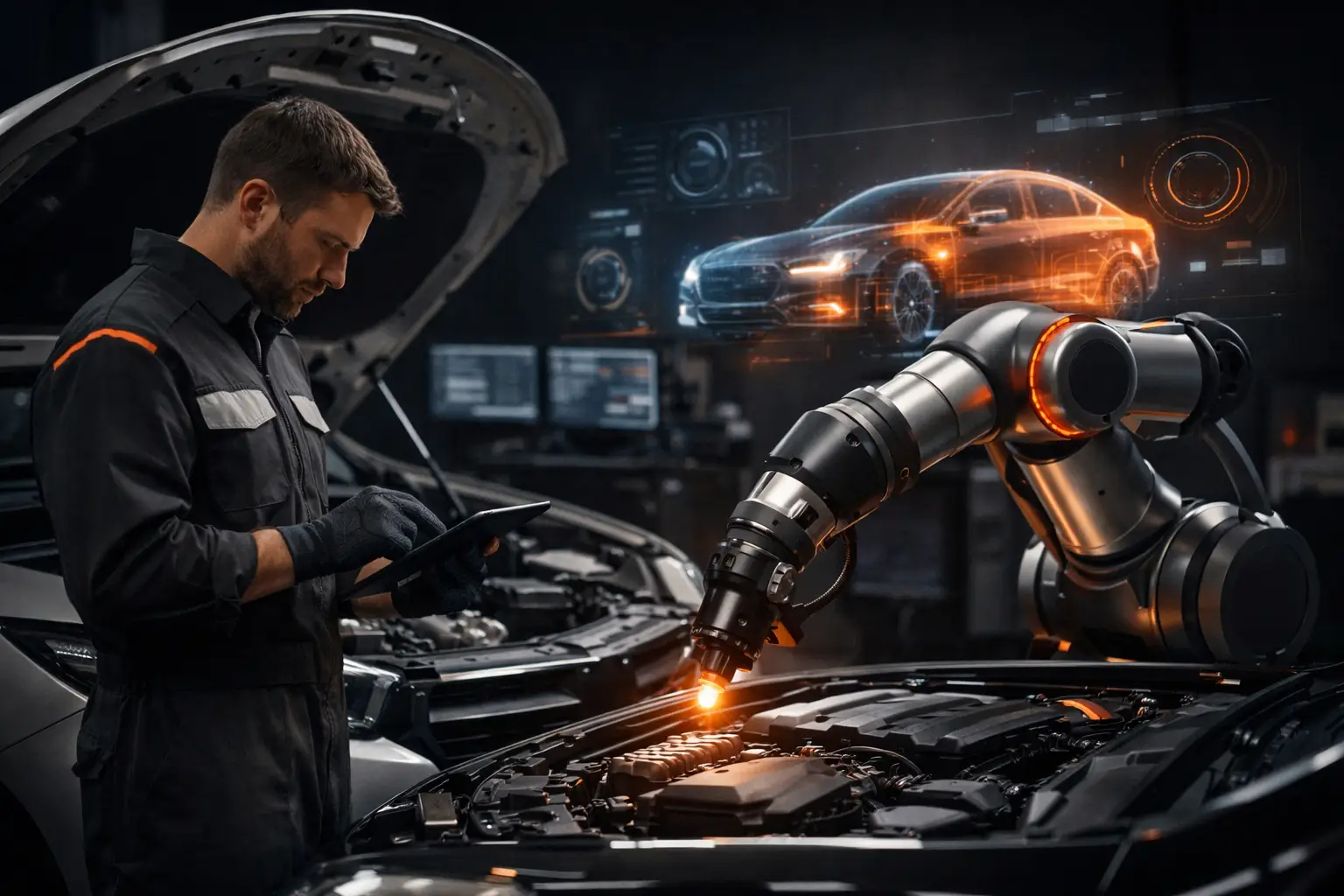
A warning light comes on, fuel consumption climbs for no obvious reason, or your car starts making an unfamiliar noise. For many drivers, action only happens when the problem already disrupts their routine and comes with a hefty bill. AI in automotive maintenance changes this by turning vehicle data into alerts, patterns, and recommendations that help you act before failure strikes.
This doesn't mean an app or AI system replaces a mechanic. The value lies in reducing reliance on memory, lost paperwork, and guesswork. With proper records of mileage, fuel fills, services, and diagnostics, it becomes easier to know what deserves attention, how much each vehicle costs to run, and when to plan maintenance ahead of time.
How AI in automotive maintenance works
Artificial intelligence identifies patterns in large volumes of information. In automotive practice, this data can come from service history, mileage, OBD2 scanner readings, fuel consumption, checklists, and even symptoms recorded by the driver.
If a vehicle shows gradual fuel consumption increase after a certain mileage, for example, the system can flag the need to investigate tires, filters, spark plugs, sensors, or driving habits. It shouldn't pinpoint a diagnosis without inspection. But it can show that behavior has changed and that delaying the check could cost more.
The quality of the recommendation depends on the quality of the record. An AI that receives wrong dates, outdated mileage, or expenses without categories will have little basis to identify trends. That's why the first step is still straightforward: record what happens to your vehicle consistently.
From time-based maintenance to condition-based maintenance
Traditional preventive maintenance follows set time intervals or mileage. It remains essential for oil, filters, fluids, tires, and manufacturer-recommended items. AI adds context to this routine.
Two cars of the same model can have different needs. One covers few miles in heavy traffic; another travels long distances on highways. One delivery vehicle carries weight and makes multiple stops daily; another is used only on weekends. By considering usage patterns, consumption, and history, intelligent systems can help prioritize what needs checking first.
This approach is called predictive maintenance or condition-based maintenance. It works best when there's frequent and comparable data. In a small fleet, for instance, comparing similar vehicles can reveal that one van is burning more fuel or requiring more repairs than the others.
Where AI delivers results for drivers and fleets
The most immediate benefit isn't technology for technology's sake. It's organization that drives clearer decisions. For a car owner, this might mean never forgetting an oil change and maintaining a valued service history for resale. For someone who works with a vehicle, it means tracking costs that directly affect profit.
For everyday car and motorcycle users
A centralized history eliminates doubt about the last oil change, the service date, or what you've spent on tires. With this file up to date, AI can support more relevant reminders and highlight spending that stands out.
Imagine maintenance costs have climbed over the last six months. Without records, it just feels like "the car is getting expensive." With organized data, you can separate normal wear, one-off repairs, fuel, and recurring costs. This insight helps you decide whether to fix it, get quotes elsewhere, adjust your driving, or start planning to replace the vehicle.
For rideshare, delivery, and service drivers
When a vehicle generates income, every unplanned breakdown means lost earnings. AI-supported automotive maintenance helps you track mileage, fuel, expenses, and services in one place, making it easier to spot deviations before they turn into downtime.
Fuel consumption is a good example. A small difference per fill-up might go unnoticed. Over weeks, though, it can signal tire pressure issues, maintenance needs, route changes, or even pricier fuel. Cross-referencing this with income and expenses shows how much truly remains per mile driven.
For small fleets
Small fleets often face a familiar problem: information spread across drivers, spreadsheets, messages, and receipts. When a vehicle breaks down, no one knows for certain if a service was due, if a fault was already reported, or how much that asset has cost in repairs.
With shared records, checklists, and per-vehicle history, management can track pending work without depending on one person. AI can support prioritization by flagging vehicles with above-average costs, recurring maintenance, or signs of declining efficiency. Still, operational decisions should consider context: a truck may have higher spending because it covers a more demanding route, not necessarily because it's poorly maintained.
OBD2, alerts, and data worth noting
OBD2 readings make maintenance conversations more objective. Fault codes and system indicators can be logged to track occurrences and inform your mechanic better. This avoids the situation of trying to remember days later which light appeared or under what conditions the engine misfired.
But a code isn't a verdict. OBD2 points to an area or condition the vehicle has detected, and correct diagnosis may require testing, inspection, and technical knowledge. Clearing an alert without understanding the cause can hide a problem that comes back more expensive.
It's also worth watching less obvious data: cost per mile, refueling frequency, average maintenance cost, mileage between services, and unexpected expenses. No single number tells the whole story. The benefit emerges when they're compared to the vehicle's own history and its type of use.
Limits of AI in automotive maintenance
AI can suggest priorities, but it can't see a leak on the garage floor or replace a safety inspection. Brakes with unusual behavior, smoke, overheating, strong vibration, metallic noises, and critical dashboard lights need immediate attention. Waiting for an automated recommendation in these cases is an unnecessary risk.
There's also the privacy question. Location data, routes, mileage, and income figures can be sensitive, especially for professional drivers and businesses. Before using any tool, it's worth understanding what information is recorded, who can access it, and how vehicle sharing is controlled.
Another caution: don't confuse prediction with certainty. Artificial intelligence works with probabilities and patterns. It helps you ask better questions, like "why did this vehicle cost more?" or "which maintenance needs scheduling first?" The final answer depends on inspection, quotes, manufacturer recommendations, and actual usage.
How to build a useful foundation for better decisions
You don't need advanced sensors to start. The starting point is recording each fuel fill, service, repair, and mileage reading. Include the date, amount, type of service, and when possible, a note about symptoms or parts replaced.
Next, set reminders for maintenance listed in your manual and maintain checklists for quick inspections. Tires, oil level, fluids, lights, wiper blades, and paperwork are simple items to track and capable of preventing roadside or work-related hassles.
Mine Garage can serve as this central record for cars, motorcycles, vans, and other vehicles, bringing together maintenance, fuel, expenses, income, and history. When information stops being scattered, it's easier to track patterns and decide ahead of time, whether for a family, a professional driver, or a small operation.
The best AI for maintenance isn't one that promises to predict everything. It's one that helps you notice changes early, keep reliable records, and arrive at the mechanic with clear information. Start with your next fuel fill or your last service: a well-recorded data point today can prevent an expensive surprise tomorrow.