A Vehicle Log to Track Your Car's True Costs
You jotted down an oil change on a piece of paper that's now lost. You paid for fuel on your card, but nobody remembers the mileage. Service is coming up soon, but the date is buried in an old text conversation. These small oversights are common, yet they lead to missed maintenance, hard-to-explain expenses, and decisions made in the dark.
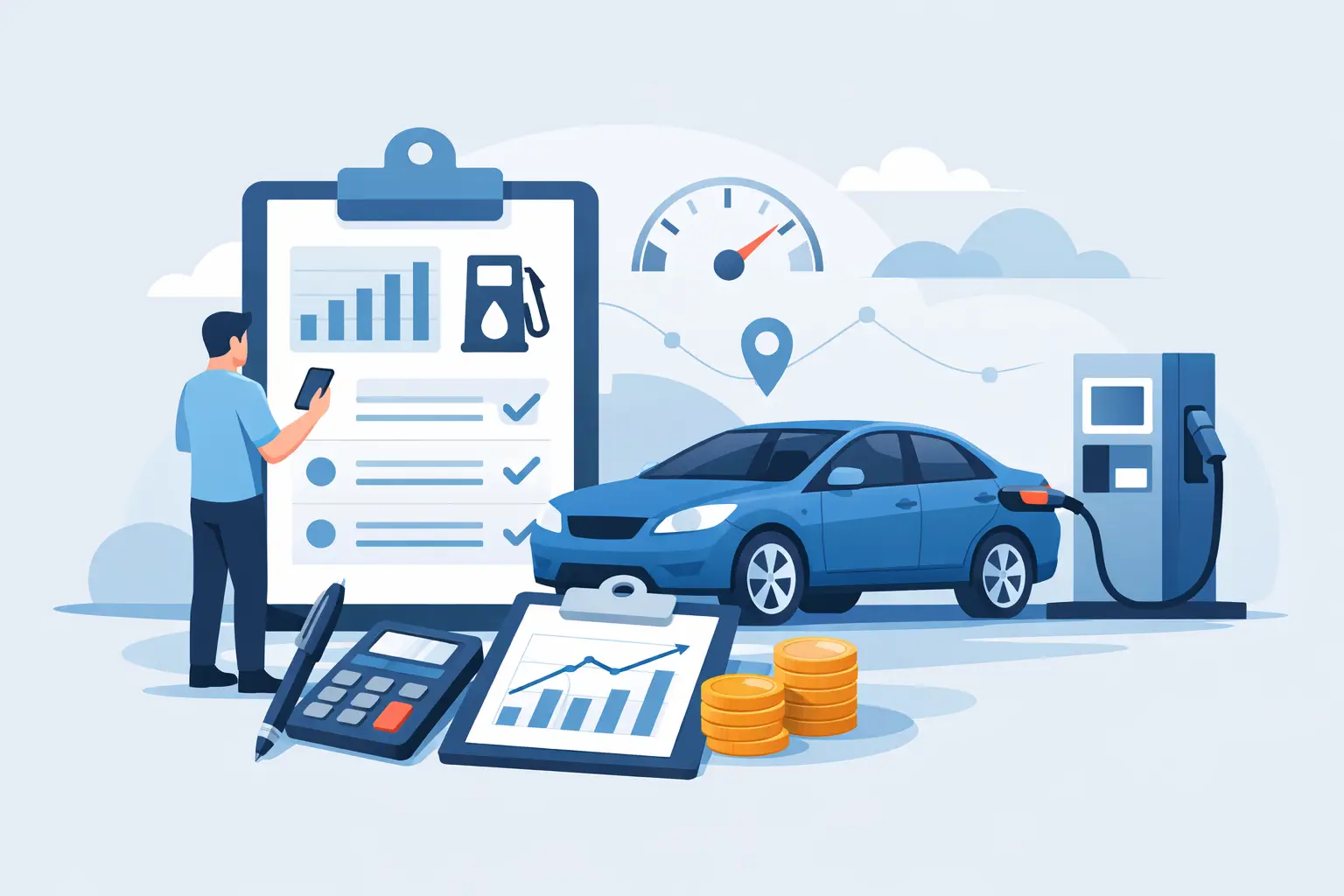
A vehicle log solves this by pulling your car's entire history into one place. It's not just about noting what you spent at the pump. It's a running record of maintenance, expenses, documents, mileage, fuel fill-ups, recharges, trips, and when needed, income. With consistent data, you can care for your vehicle better and see what it actually costs to own.
What is a vehicle log
A vehicle log is the organized history of a car, motorcycle, van, truck, or any vehicle. Each entry answers a practical question: when did it happen, what did it cost, what was the mileage, and why did it occur.
Instead of relying on memory, receipts in your glove box, or a spreadsheet nobody updates, you create a timeline you can consult anytime. When you sell the vehicle, this history shows the care you've put into it. Before service, it shows what's already been replaced. At month's end, it reveals whether spending went up and where.
The value is in consistency. A single fuel entry tells you little. Months of records can show average consumption, cost swings, distance covered, and signs that something has changed in how you drive or how the vehicle is behaving.
What's worth recording in your vehicle log
The best vehicle log isn't the one with the most fields. It's the one you actually keep updated. Start with the records that help your decisions, then expand as you see fit.
Maintenance is the foundation. Record preventive work like oil changes, filter replacements, tire checks, alignment, and manufacturer-recommended inspections. Also include repairs, parts swaps, and helpful notes, like a vibration you noticed before the visit. The mileage when service happened is just as important as the date, since many service intervals depend on both.
Fuel fill-ups and recharges deserve the same attention. For gas and diesel vehicles, log the fuel type, cost, amount, and odometer reading. For hybrids and electric vehicles, record charging sessions, where you charged if it matters, the energy used, and the cost. Not every charge has a direct cost, especially at home or at free charging spots in parking lots. Still, logging the energy or your estimate helps you track real-world use.
Your log should also include parking fees, tolls, car washes, accessories, registration and title documents, and recurring services. If you live in Brazil, vehicle tax and licensing are country-specific obligations worth tracking. In other places, the names and rules change, but the idea stays the same: keep vehicle deadlines and costs visible.
Finally, record trips and mileage if you use the vehicle for work, get reimbursed, or need to track travel. For app-based drivers, delivery people, or those who work out of their vehicle, separating work use from personal use is what lets you see your operation clearly.
Recording isn't enough: the log needs to prompt action
A history is only useful when it stops a surprise or improves a choice. That's why a vehicle log works best with reminders for maintenance and document expiration. The idea is simple: get a heads-up before you forget, not after you hit a problem.
Reminders can be set by date, mileage, or both. An annual inspection hinges more on the calendar. Oil changes, tire checks, or certain factory-scheduled services may depend on distance. If you drive a lot, you need to watch the odometer closely; if you drive little, you can't ignore the calendar.
There's an important limit: the app organizes information and helps you stay on top of what's due, but it doesn't replace your owner's manual or a mechanic's judgment when you see symptoms, warning lights, or odd behavior. The log makes talking to your technician easier, because you arrive with dates, mileage, and history instead of trying to remember everything.
For people who drive every day
For an individual or family, the main payoff is peace of mind. Each vehicle can have its own history, so your bike's service won't mix with your car's spending. If more than one person drives the same vehicle, sharing access ends that recurring question: "Has this already been done?"
Your finances become more honest too. The cost of owning a car isn't just the payment or fuel. Maintenance, tires, fees, parking, and repairs show up at different times, which can make it feel like your vehicle costs less than it really does. A well-kept log turns those scattered expenses into a clear picture by month, period, or mile.
That doesn't mean every big expense is a problem. A new set of tires might spike one month's costs, but it's part of regular upkeep. What matters is comparing longer stretches and understanding the context, not drawing conclusions from a single charge.
For professional drivers, costs are part of the business
If your vehicle is how you earn, you need to look beyond basic maintenance. Fuel, charging, tolls, parking, cleaning, repairs, and mileage are operating costs. Without logging them, it's easy to confuse income with profit.
A vehicle log lets you tie expenses, trips, and income together to work out your cost per mile and track profitability. That number isn't a universal rule. Two drivers with the same model can see very different results depending on traffic, routes, load, driving style, upkeep, and the type of work.
The point is spotting trends. If your cost per mile keeps climbing over several periods, you can dig in: were you idle more? Did fuel economy drop? Did maintenance costs rise? Did your income keep up? With organized records, these questions stop being guesses.
For small fleets, shared information stops gaps
In a small business, the problem isn't usually just collecting data. It's making sure the right people see it. A driver might hear a noise, someone else might refuel, and an office person might need to confirm the next service. If each detail lives in a different place, the history falls apart.
A central vehicle log helps you track each vehicle, hand off tasks, and keep pending work and expiring documents and costs in view. Daily checklists can also help for work vehicles, as long as they're simple enough to actually get filled out.
How much detail you need depends on your fleet size. A business with two vehicles may only need reminders, expenses, and shared access. A bigger operation with routes, multiple drivers, and different vehicle types will probably want mileage reports, cost tracking per vehicle, and more frequent reviews.
How to keep the habit without turning it into paperwork
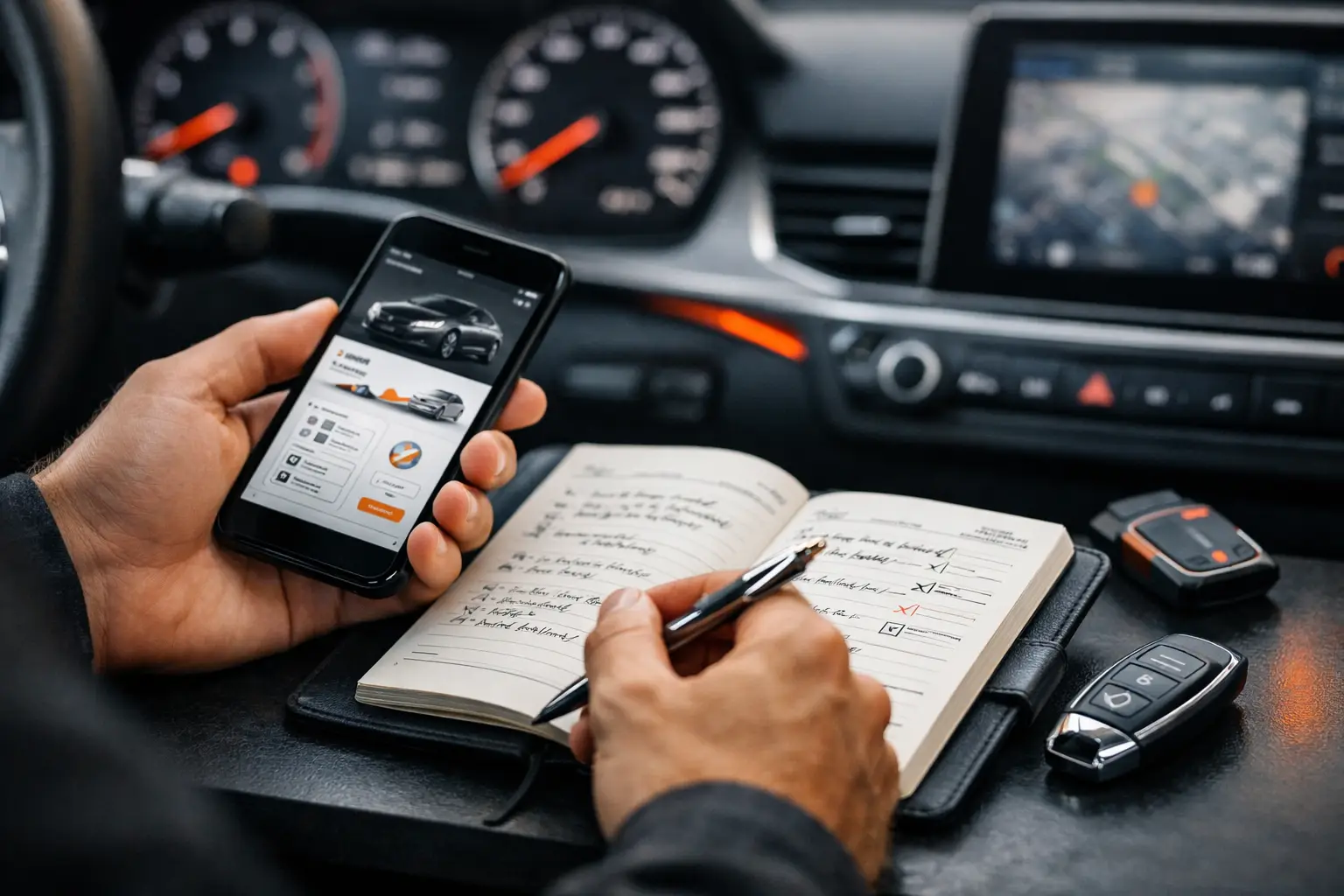
The trick is to log things as they happen. Just fueled up? Note it before you leave the station. Had maintenance done? Save the cost, mileage, and what was done while the receipt is in your hand. Got a renewal notice? Check it and update the date if needed.
Don't try to reconstruct years of history in an afternoon. Start with your current mileage, upcoming services you know about, and new expenses. Then add old receipts when you have time. If you used another spreadsheet or app before, importing that history might be the fastest way to start with complete data.
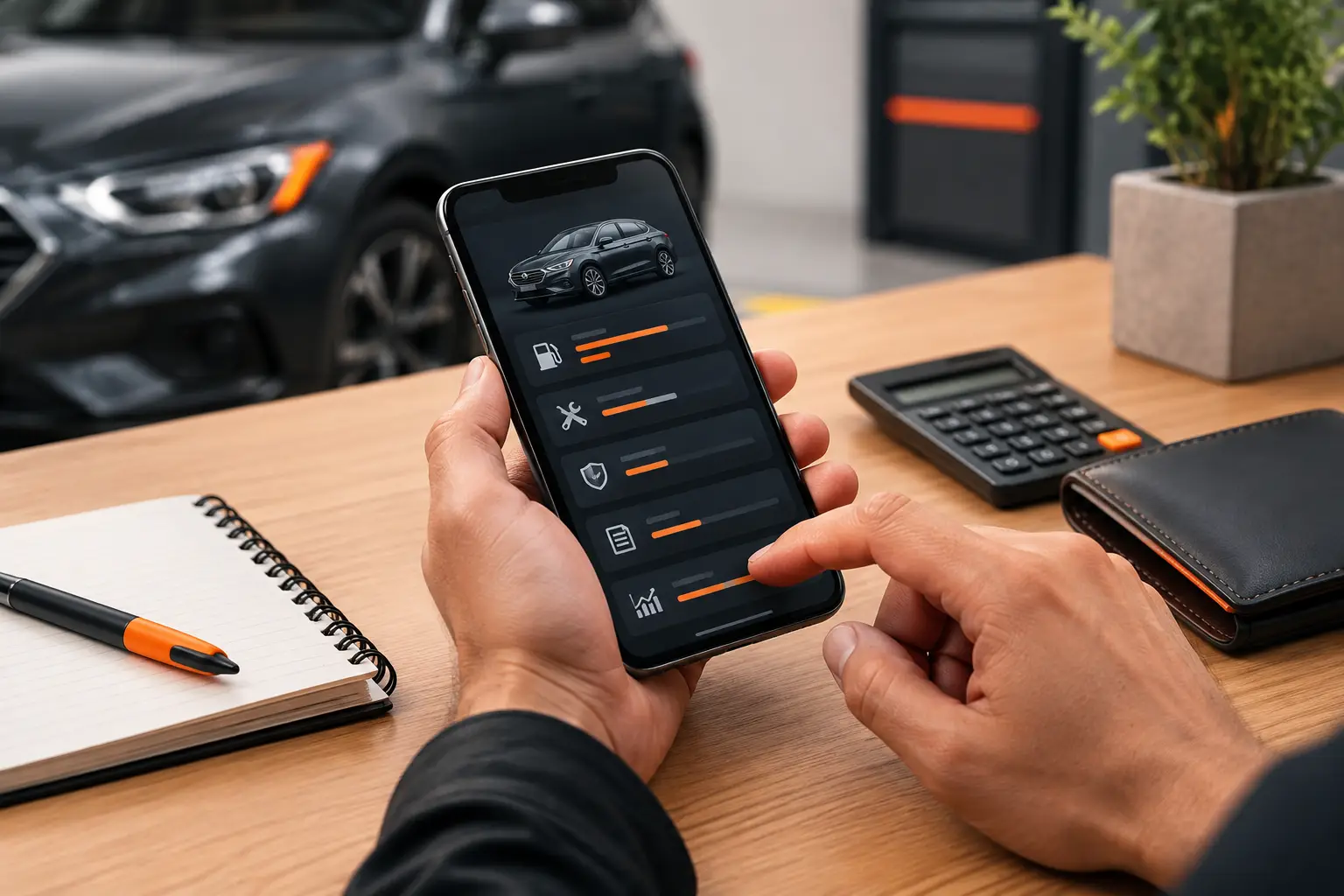
In Mine Garage, the log brings together maintenance, fuel or charging, expenses, documents, trips, and costs for each vehicle. The goal is to cut your reliance on memory and turn simple records into useful information for anyone who owns a car or works on wheels.
Your vehicle already has a story, even if it's scattered across receipts, notifications, and fading memories. Getting that story straight today makes your next decision easier and keeps a small detail from becoming an unwelcome surprise tomorrow.