
Sharing a Car with Family Without the Headaches
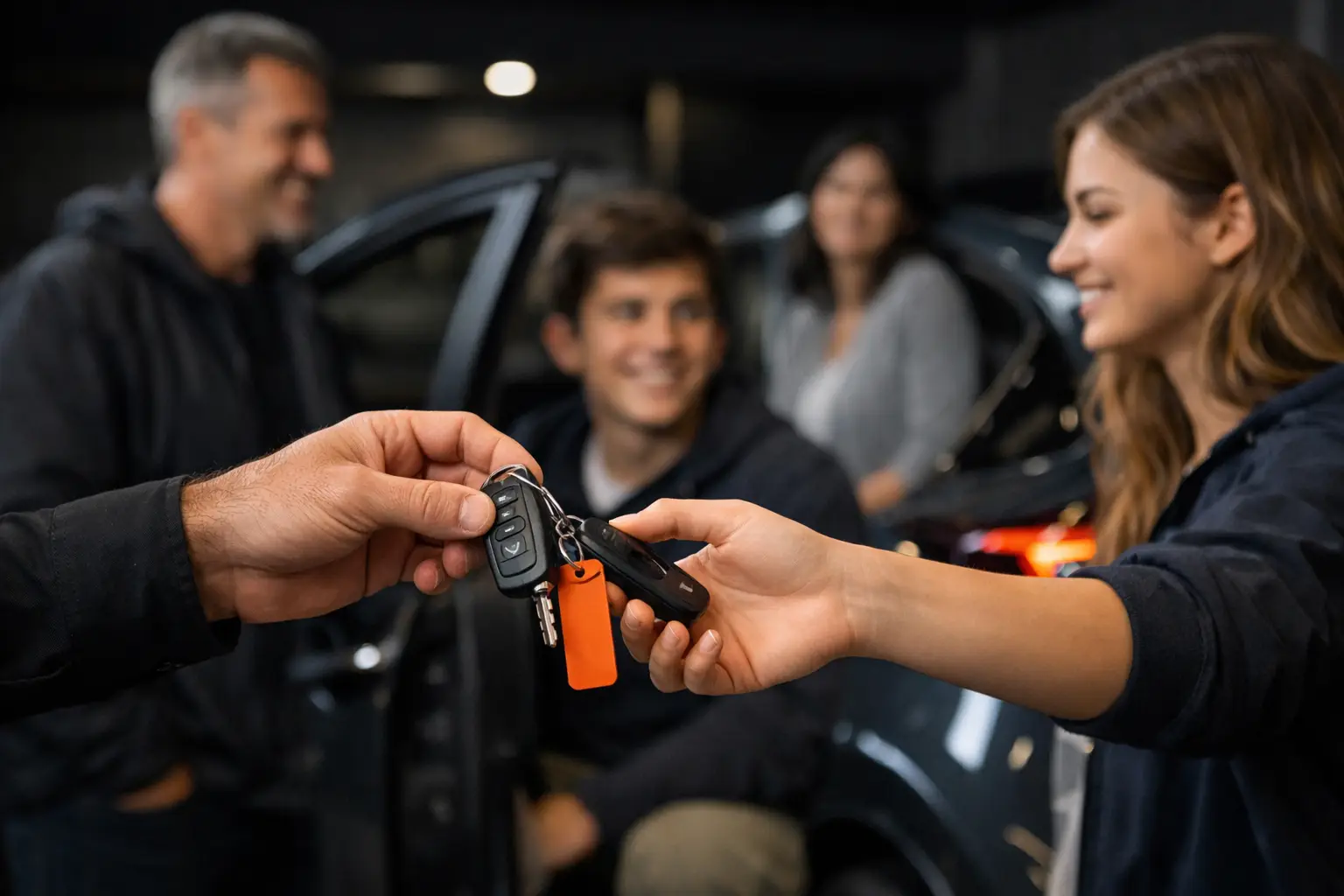
When two or more people depend on the same vehicle, a small delay can turn into a big argument. Someone left with barely any fuel, a service is overdue without warning, or the car comes back with a warning light on the dashboard. Sharing a car with your family works well when everyone knows what they can use, what they need to record, and who's responsible for each task.
The problem is rarely just about scheduling. A shared car concentrates costs, wear and tear, and decisions into one daily routine. Without clear records, the family ends up relying on loose conversations, lost receipts, and whoever drove last. The result is simple: nobody has a complete picture of the vehicle, but everyone feels the impact when something goes wrong.
Why a shared car demands organization
In a family, each driver typically uses the car differently. One person makes short trips to work, another takes kids to school, and someone might use the vehicle for road trips or delivery work. These different uses affect fuel consumption, mileage, and how quickly tires, brakes, and oil need attention.
There's also the matter of availability. Someone who needs the car at a fixed time can't find out at the last minute that it's at someone else's place or not roadworthy. Basic organization prevents these surprises and reduces stress on relationships.
The goal isn't to turn your home into a business. It's to create simple agreements so the vehicle stays available, safe, and costs are under control. When everyone sees the same information, it's easier to fix things before a minor issue becomes a real loss.
Start with rules that work in real life
Too many rules get ignored. Vague rules don't solve anything either. To share a car, your family needs a few clear agreements you can actually follow even during a hectic week.
It's worth setting up, for example, how you'll handle reservations for important appointments, where the keys are kept, and what the minimum fuel level should be when returning the car. It's also useful to agree that any noise, damage, ticket, dashboard warning, or even a minor bump must be reported the same day.
Four points usually prevent most conflicts:
- Priority of use for work, medical visits, school, and previously scheduled commitments.
- Record mileage and fuel when refueling or taking longer trips.
- Immediately report any damage, dashboard warnings, and unusual behavior from the car.
- Clear responsibility for tickets, parking fees, tolls, and expenses from specific usage.
These agreements don't need to be strict in every situation. If the family has just one main driver, tracking can be simpler. If there are adult children, a couple with varied schedules, or multiple drivers using the car for income, records need to be more detailed.
Sharing a car with family requires a visible schedule
A shared calendar solves one of the most common problems: promising the car to two people at the same time. The best approach is to record relevant commitments before the week starts, especially trips, work shifts, medical appointments, and maintenance days.
You don't need to reserve the vehicle for every 10-minute trip. The focus should be on periods when someone else might need it. If someone is using the car all morning, that needs to be clear to everyone else.
A calendar also helps plan maintenance. A wheel alignment or oil change shouldn't be postponed because nobody realized the car would be essential that day. By seeing usage and service appointments in the same plan, your family can choose less critical times and avoid scrambling.
Track expenses without turning everything into a billing dispute
Splitting expenses is one of the trickier parts. It doesn't always make sense to divide every penny equally. The fairest approach depends on how the car is used and who benefits most from it.
In a household where everyone uses the vehicle similarly, fixed expenses like insurance, registration, and preventive maintenance can be split among adults. Fuel, parking, tolls, and tickets usually should stay with whoever incurred them. If one person uses the car for work, it's worth separating that usage from family trips to understand the real cost of operation.
Maintenance needs more context. Oil changes, filters, and tires are normal wear and benefit everyone using the vehicle. On the other hand, a damaged wheel from a collision or a clutch damaged by careless driving might call for a different conversation. A service history, mileage records, and incident log make that conversation more straightforward.
Keeping receipts and recording expenses when they happen prevents the classic end-of-month scramble when nobody remembers who paid for what. Beyond just splitting bills, this tracking shows how much the car really costs and helps your family prepare for bigger expenses.
Keep a single source of truth
A notepad in the glove compartment, a photo of a receipt on your phone, and a reminder in a messaging app seem convenient until someone needs to find important information. A shared car needs one central place to keep records of refueling, services, documents, mileage, and usage notes.
With one record, any authorized driver can check when the last oil change was, which tire was replaced, how much fuel the car used on a trip, or if a service is coming up. This prevents duplicate services and reduces the chance of forgetting necessary maintenance.
Mine Garage can help here by centralizing your vehicle's history and letting you share information with everyone involved in daily use. Instead of asking the family group chat when the last service was done, everyone can check the record and act with more confidence.
For families with two vehicles, this organization is even more useful. Each car can have its own history, costs, and reminders without mixing expenses. This makes it easier to decide which vehicle is better for a trip, which needs new tires, and which is burning more fuel.
Don't let maintenance depend on whoever drives most
The driver who uses the car most will usually notice first when something feels off. But maintenance responsibility shouldn't rest with that person alone. If everyone relies on the vehicle, everyone needs to know when service is scheduled and what can't be delayed.
Some things need constant attention: oil level and changes, tire pressure and condition, brakes, battery, lights, documents, and manufacturer-recommended services. Your family doesn't need to understand mechanics. They just need to spot basic warning signs and report what they notice.
A temperature warning, a new vibration when braking, or trouble starting should be reported before it becomes a bigger failure. Ignoring symptoms to avoid disrupting the schedule usually costs more down the road and puts everyone at risk.
When the car is also a work tool
For rideshare drivers, delivery workers, sales professionals, or service providers, sharing the vehicle with family takes extra planning. The car isn't just transport: it generates income, and every hour it's not working can affect the month's earnings.
In this case, separate personal and work usage records whenever possible. Fuel, parking, maintenance, tolls, and mileage related to work need tracking to calculate operating costs. At the same time, your family needs to know which hours are truly off-limits because the vehicle is in service.
You might need to set up a backup plan for emergencies, like rideshare, carpools, or using another vehicle. This prevents a medical appointment or important school event from clashing with a work shift you've already planned.
The best agreement is one everyone can stick to
An organized routine doesn't have to remove spontaneity from your family. It actually helps borrowing and schedule changes happen with less friction. Start with a visible calendar, a log of expenses and maintenance, and the rule to report any problem as soon as it appears.
Over time, your family learns its own patterns: who uses the car most, which expenses hit the budget hardest, and which periods need the most planning. This knowledge turns your shared vehicle into a reliable resource for everyone, not another source of stress.